
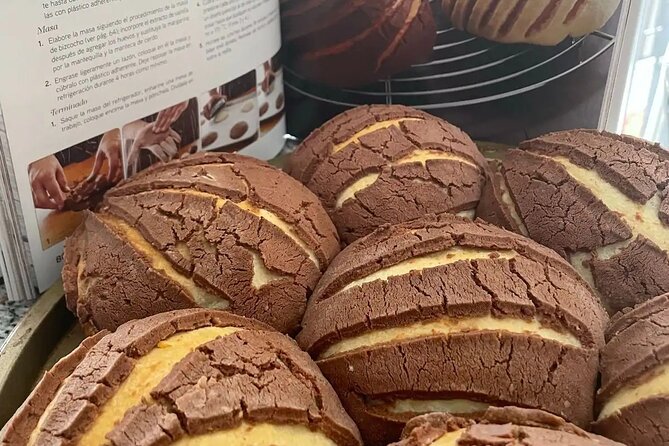
Reviewed · WORKSHOPS
Mexican Bread Interactive Master Class
Mexican bread is best understood with your hands. In this small rooftop baking class, you work through the steps with a professional baker, then sit down with coffee and eat what you made. The setting in Mexico City’s Condesa neighborhood adds a calm break from sightseeing.
In This Article
- Key points
- A rooftop introduction to Mexican bread in Condesa
- What the two-and-a-half-hour class includes
- Making conchas from February through September
- Pan de muerto from October through November
- Elizabeth’s teaching style is part of the value
- Eating your own bread with coffee
- Is $71.82 a fair price?
- Getting there and fitting it into your day
- Who will enjoy this Mexico City baking class?
- Should you book the Mexican Bread Interactive Master Class?
- FAQ
- Where does the Mexican Bread Interactive Master Class take place?
- Where does the activity end?
- How long does the baking class last?
- Is the class offered in English?
- How many people can join the class?
- Which bread can you make during the class?
- Is coffee included with the homemade bread?
- Can I cancel for a full refund?
I like the personal instruction and the cultural context. Elizabeth is praised for her warm, cheerful teaching and for explaining the meaning behind each process, including links between Mexican food and social customs. The main consideration is the seasonal menu: you make conchas from February through September, while pan de muerto is available only in October and November.
Key points
- Bake on a Condesa rooftop terrace: The class takes place outdoors in a relaxed Mexico City setting.
- Learn with Elizabeth: Her friendly teaching style and clear explanations are a major part of the experience.
- Make seasonal Mexican sweet bread: Choose from conchas or pan de muerto, depending on the month.
- Eat what you bake: The class ends with homemade bread and coffee, not just a demonstration.
- Small group size: A maximum of 12 people allows for more direct help at the worktable.
- Plan ahead: The class is often booked about 26 days before the date, so last-minute space may be limited.
A rooftop introduction to Mexican bread in Condesa
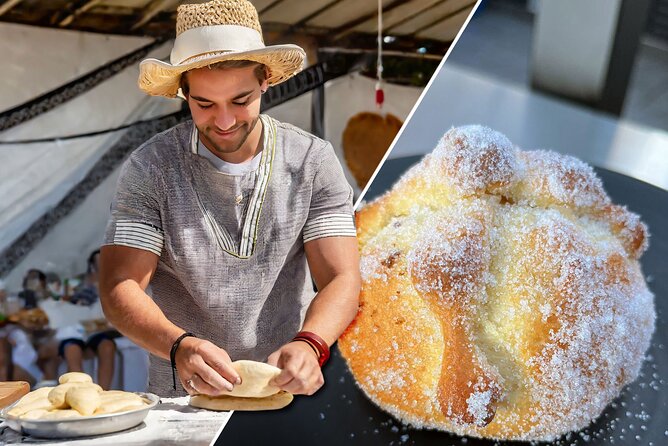
The class begins at Cto. Interior Mtro. José Vasconcelos 76 in Colonia Condesa, Cuauhtémoc. You finish at the same meeting point, which keeps the outing simple and easy to fit into a day in Mexico City.
The terrace gives the workshop a different feel from a standard cooking school. You bake in the open air, with the scent of fresh bread around you and a quieter setting than a busy restaurant kitchen. The description promises gentle sunlight and a cozy atmosphere, though outdoor conditions can naturally affect comfort.
The setting matters because this is not only a recipe lesson. Mexican sweet bread is closely tied to daily routines, family gatherings, coffee breaks, and seasonal celebrations. The class gives you a way to connect the food with those customs while you work.
The class is offered in English. That makes the instructions easier to follow if you do not speak Spanish, especially when the baker is explaining timing, shaping, and the meaning of each stage.
A few more Mexico City tours and experiences worth a look


What the two-and-a-half-hour class includes
You have about two hours and 30 minutes for the full experience. That is enough time for a proper hands-on session rather than a quick demonstration followed by a taste.
The format centers on participation. You are not simply watching a baker prepare dough from a distance. You receive full instruction and take part in making the Mexican bread, with individualized attention built into the class.
The exact order of activities is not specified, so I would expect the session to move through an introduction to Mexican breads, an explanation of the selected recipe, hands-on preparation, baking, and finally tasting. The class is designed around the process, not just the finished pastry.
That distinction is important. You may leave with a better sense of why dough is handled in a certain way, rather than only remembering the flavor of a sweet roll. Elizabeth’s teaching style appears especially suited to people who appreciate explanations as they work. She is described as cheerful, welcoming, and careful to explain the meaning of each process.
A two-and-a-half-hour class also works well for a mixed group. You have enough time to ask questions and get help, but the activity should not take up an entire day of sightseeing. I would set aside the full stated duration rather than planning a tight connection afterward.
Making conchas from February through September
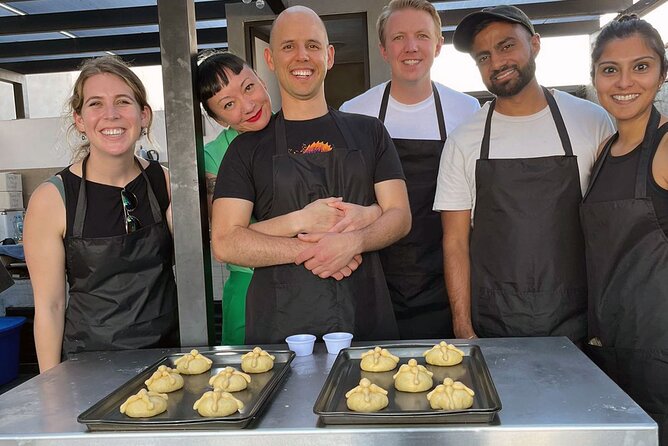
From February until September, the class focuses on conchas. This is one of Mexico’s best-known sweet breads, recognized for its rounded shape and patterned topping. It is commonly paired with hot coffee, which is also how you finish this experience.
The appeal of making a concha is that it gives you a direct look at a familiar Mexican bakery staple. Instead of buying one from a panadería, you learn how the bread comes together and then taste your own result while it is fresh.
The class description does not give the exact ingredients, preparation time, or baking equipment, so I would not book it expecting a specific recipe or a take-home package unless the provider confirms those details. What is clear is that you get full instruction, hands-on work, and the chance to eat the finished bread during the session.
Conchas also make this class a good choice for a first introduction to Mexican baking. The bread is closely associated with a coffee break, and the tasting portion helps you understand how the pastry is meant to be enjoyed. Coffee is not an extra detail here. It is part of the traditional pairing that gives the class its final shape.
If your Mexico City visit falls between February and September, this is the seasonal option you should expect. The listing does not indicate that you can request pan de muerto outside its stated months, so check the date before booking if that is the bread you want.
Pan de muerto from October through November
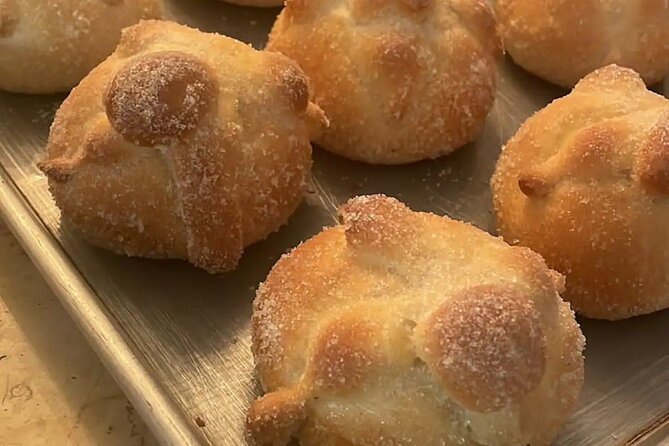
In October and November, the seasonal bread changes to pan de muerto. This is the bread connected with Day of the Dead, one of Mexico’s most important cultural traditions.
The class presents pan de muerto as more than a dessert. You learn about its place in the celebration while making it yourself, which gives the food a stronger context than a bakery purchase alone. For many visitors, this seasonal connection will be the most distinctive part of the experience.
The timing is narrow. Pan de muerto is listed as available only during October and November, so anyone planning a Day of the Dead trip should reserve early. The activity is often booked about 26 days in advance, and the group is limited to 12 people.
The available information does not specify the exact Day of the Dead topics covered, the shape of the finished bread, or the precise recipe. Still, the class clearly links the baking process to the tradition, and Elizabeth’s explanations are intended to cover both food culture and social culture.
I like this seasonal approach because it avoids treating Mexican bread as one generic category. The recipe changes with the calendar, and the lesson changes with it. You are learning about a food that belongs to a particular time of year.
Elizabeth’s teaching style is part of the value
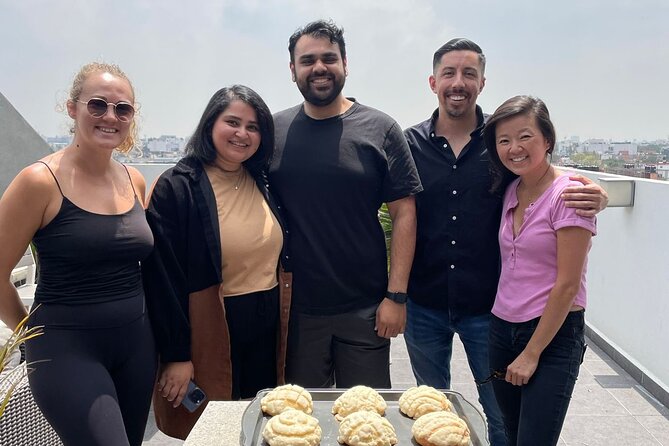
Elizabeth receives the strongest praise in the available feedback. She is described as welcoming, friendly, cheerful, and attentive to the group. More importantly, she explains the purpose and meaning of each process instead of rushing everyone through a set of instructions.
That can make a real difference in a baking class. Dough work can feel confusing when you are trying to follow steps quickly, especially if several people need help at once. A host who explains why you are doing something gives you a better chance of remembering the method.
Elizabeth also brings in Mexican food and social customs. This widens the class beyond the mechanics of breadmaking. You are not only learning how to prepare a sweet bread. You are getting some context for how food fits into everyday Mexican life.
The maximum group size is 12 people. That is not a private lesson, but it is small enough to allow for a more personal format than a large cooking demonstration. The promise of individualized attention is particularly useful for beginners, families, and anyone who wants to ask questions.
The experience provider is What To Do In Mexico City. The supplied feedback gives a rating of 4 out of 5 from four reviews, with the positive comments focused heavily on Elizabeth’s warmth and teaching. That is a modest sample, so I would treat it as useful guidance rather than a guarantee that every session will feel identical.


Eating your own bread with coffee
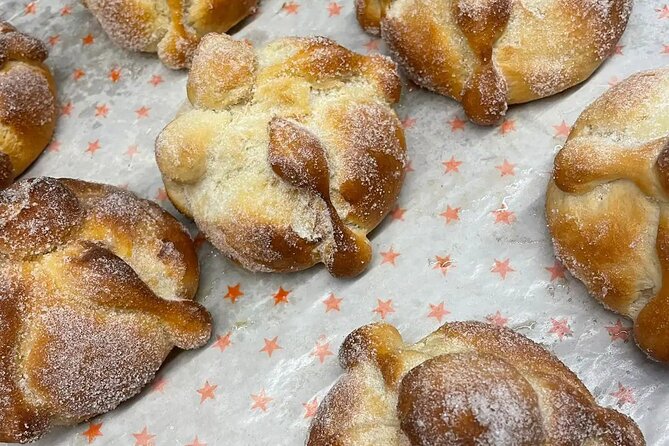
The tasting is a simple but important finish. After the practical work, you eat the homemade Mexican breads with coffee.
This closing moment gives the class a natural reward. You have spent time learning the process, and you get to judge the finished bread for yourself. It also places the pastry in its usual social setting, alongside a hot drink rather than as an isolated sample.
I would not think of this as a full meal. The information identifies dessert and coffee, not lunch or dinner, so plan another meal if you will be hungry afterward.
The tasting also gives you time to reflect on the lesson. You can compare the bread you made with the baker’s instructions and ask any last questions. Because the class is built around food and social customs, this relaxed finish may be as useful as the preparation itself.
There is no information about whether leftovers are packed for you to take away. If that matters, ask before booking. The clear promise is that you will eat your homemade bread during the experience.
Is $71.82 a fair price?
At $71.82 per person, this is not the cheapest way to eat a Mexican sweet bread in Mexico City. You can buy a concha at a bakery for far less. The value here comes from the combination of instruction, cultural explanation, a rooftop setting, and the hands-on work.
The two-and-a-half-hour duration also helps the price make more sense. You are paying for a structured activity rather than a short tasting. A professional baker leads the session, and the small maximum group size should allow more contact than a large commercial class.
I would consider it good value if you enjoy food workshops, want a participatory cultural activity, or prefer to bring home a skill rather than just a souvenir. It is less compelling if your main goal is simply to sample Mexican pastries at the lowest possible cost.
The seasonal angle adds value for the right visitor. Pan de muerto during October and November gives the class a clear connection to Day of the Dead. Conchas during the rest of the stated season offer a classic coffee pairing and a familiar introduction to Mexican sweet bread.
The price also includes the setting and the time with the instructor, not only the ingredients. Since the group is capped at 12, you are paying for a more focused class rather than a mass-market food stop.
Getting there and fitting it into your day
The meeting point is Cto. Interior Mtro. José Vasconcelos 76, Colonia Condesa, in the Cuauhtémoc area of Mexico City. The location is near public transportation, which is useful in a city where traffic can make short distances unpredictable.
You receive a mobile ticket, and confirmation is provided at the time of booking. I would keep the ticket easy to access on your phone and allow enough time to reach the Condesa meeting point without rushing.
The class ends where it starts. That makes it easier to continue exploring Condesa afterward or return to your accommodation. Since the activity is approximately 2 hours and 30 minutes, it fits best as a planned morning or afternoon block.
You should also check the month carefully. Conchas are available from February through September, while pan de muerto is offered in October and November. The information does not identify a menu for other months, so confirm the seasonal offering before you commit to a particular bread.
Free cancellation is available up to 24 hours before the start time for a full refund. Changes or cancellations inside that 24-hour window are not accepted and are not refunded. The class also requires a minimum number of participants, so if the provider cancels because that number is not reached, you are offered another date or experience, or a full refund.
Who will enjoy this Mexico City baking class?
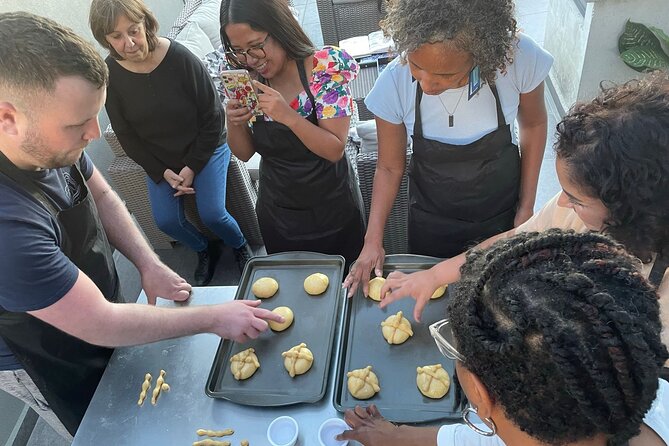
I would recommend this experience to anyone who likes food with a story. You get a clearer sense of Mexican baking customs when you prepare the bread yourself and hear why each step matters.
It suits first-time bakers because full instruction is included and the group is limited to 12. It also suits experienced home bakers who want to learn about conchas or pan de muerto in a Mexican setting rather than follow a recipe alone.
Families and small groups may appreciate the relaxed outdoor terrace and the shared meal at the end. The English-language format is helpful if you want to ask detailed questions without relying on translation.
The class may be less suitable if you want a fast sightseeing activity, a large meal, or a guaranteed take-home box. It is also not the right choice if you specifically want pan de muerto outside October and November, or conchas outside February through September.
Because the experience is built around participation, you should be ready to work with the dough rather than sit back and watch. That is the main reason to book it, but it is also the main reason to skip it if you prefer a simple tasting.
Should you book the Mexican Bread Interactive Master Class?
I would book this class if you want a calm, hands-on break from museums and city streets, especially during the season for the bread you most want to make. The strongest reason to choose it is Elizabeth’s teaching style, paired with the chance to learn food and social customs while you bake.
At $71.82, it makes sense as a cultural cooking experience, not as a cheap pastry stop. The small group, English instruction, rooftop terrace, coffee pairing, and full baking session give you several hours of value.
Before booking, check the month, confirm the seasonal bread, and leave room in your schedule for the full two-and-a-half hours. If you do that, this is a friendly way to meet Mexican food culture through something warm, practical, and edible.
FAQ
Where does the Mexican Bread Interactive Master Class take place?
The class starts at Cto. Interior Mtro. José Vasconcelos 76, Colonia Condesa, Cuauhtémoc, 06140 Ciudad de México, CDMX, Mexico.
Where does the activity end?
The activity ends back at the meeting point in Condesa.
How long does the baking class last?
The experience lasts approximately 2 hours and 30 minutes.
Is the class offered in English?
Yes. The activity is offered in English.
How many people can join the class?
The maximum group size is 12 people.
Which bread can you make during the class?
You can make pan de muerto from October through November. Conchas are available from February through September.
Is coffee included with the homemade bread?
The experience includes eating the homemade Mexican breads with coffee.
Can I cancel for a full refund?
Yes. You can cancel at least 24 hours before the start time for a full refund. Cancellations or changes made less than 24 hours before the start time are not accepted and are not refunded.
More Workshops & Classes in Mexico City


More tours in Mexico City we've reviewed


Workshops, compared.
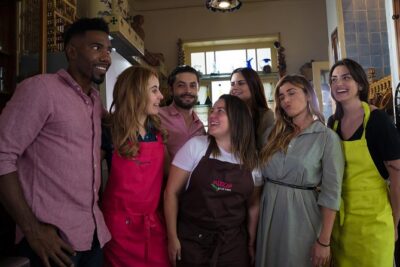 ★ 5.0Mexican Cooking Class with Food Market Visit in Mexico CityFrom $1243 hours 30 minutes (approx.)
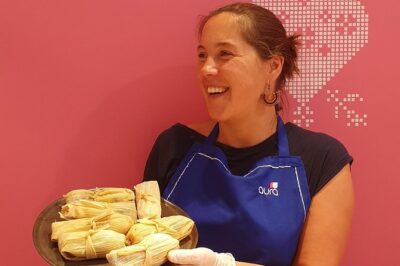 ★ 5.0Essence of Mexico: Authentic Mexican Cooking Class & Market TourFrom $1784 hours 30 minutes (approx.)
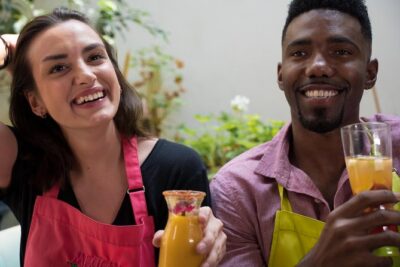 ★ 5.0Mexican Cooking Class & Cocktails in Mexico CityFrom $1323 hours 30 minutes (approx.)
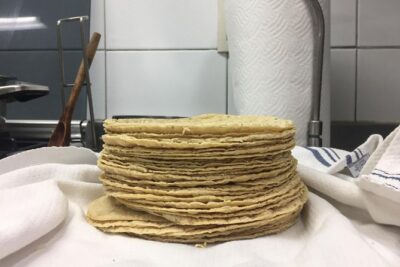 ★ 5.0Private Mexican Cooking Class with Gastronomic Historian, LuciaFrom $1453 hours (approx.)
 ★ 5.0Mexican Churros Master ClassFrom $702 hours (approx.)
 ★ 4.8Mexico City: Mexican Cooking ClassFrom $1213 hours
 ★ 5.03h Cooking Class in Mexico City: 8 Recipes & Bottomless DrinksFrom $1104 hours (approx.)
 ★ 5.0Private San Angel Tour & Cooking Class in Mexico City with LuciaFrom $1555 hours (approx.)
The lists this tour appears in