

Reviewed · GUIDED
Mexico City: Day of the Dead Guided Tour
Mexico City’s Day of the Dead comes into sharp focus at a family cemetery, where candles, flowers, and carefully made altars turn remembrance into a shared public ritual. This eight-hour tour pairs that moving visit with illuminated city sights and a nighttime boat ride through Xochimilco.
In This Article
- Key points to know before booking
- Why this Day of the Dead tour feels different
- Starting in central Mexico City
- Mexico City landmarks lit for the holiday
- Panteón de Dolores and the meaning of remembrance
- Xochimilco after dark
- Guides, group pace, and organization
- Is $57 a fair price?
- What to wear and bring
- Who should book this experience?
- Should you book the Mexico City Day of the Dead tour?
- FAQ
- When does the Day of the Dead tour operate?
- How long does the tour last?
- What languages are available?
- Where can I meet the tour?
- What is included in the price?
- Are food and drinks included?
- How much time is spent at the cemetery?
- Is the tour suitable for people with mobility impairments?
- What should I bring?
I like the cemetery stop, because it gives you a direct look at how families honor loved ones. I also like the Mariachi-backed trajinera ride, which adds music and local character rather than treating the evening as a simple bus tour.
The main concern is organization. Traffic, weather, and guide experience can affect the day, and some departures have involved long waits, a fast walking pace, or a drop-off away from the promised meeting point. At $57, the package is fairly priced, but you should be ready for a late and somewhat unpredictable evening.
Key points to know before booking
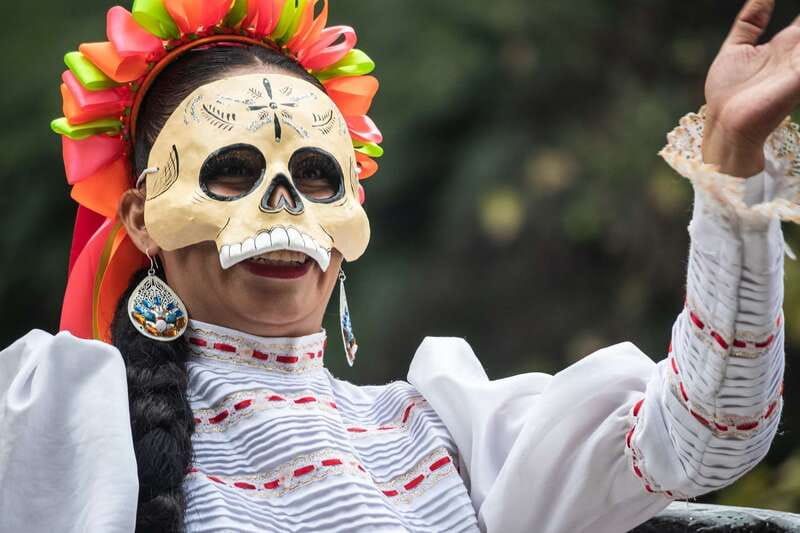
- November 1 only: This special tour operates on a single Day of the Dead date, so check the calendar carefully.
- The cemetery is the emotional center: You get time at Panteón de Dolores to see family altars and observe the occasion respectfully.
- Xochimilco is a nighttime outing: The canals are atmospheric after dark, but you will see less of the floating gardens than during daylight.
- Live Mariachi is included: The 75-minute trajinera ride comes with a live performance.
- Expect a long day: The tour lasts eight hours, with substantial coach travel through Mexico City traffic.
- Bring warm and wet-weather clothing: Comfortable shoes, a jacket, and rain gear are practical choices.
Why this Day of the Dead tour feels different
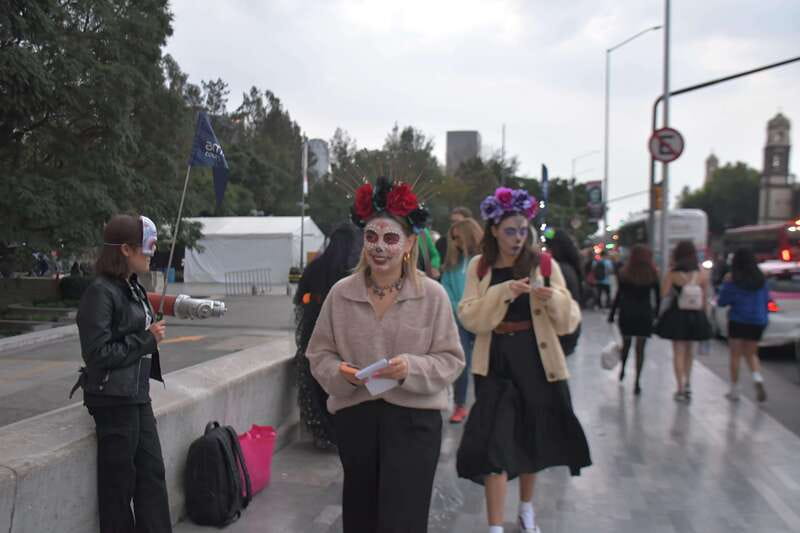
Many city tours show you monuments and explain traditions from a distance. This one uses the holiday itself as the thread connecting central Mexico City, a working cemetery, and the canals of Xochimilco.
That matters because Day of the Dead is not simply a parade or a decorative festival. It blends pre-Hispanic customs with Catholic practice, and the cemetery visit lets you see that connection in a living setting. Families honor relatives with altars, flowers, food, candles, and personal objects. You are not just looking at an exhibit. You are entering a place of remembrance.
You need to behave with care. Keep your voice low, follow your guide’s instructions, and ask before taking close photographs of people or private altars. The tour includes free time and a partly self-guided visit, so your own manners matter as much as the guide’s explanations.
The final boat ride changes the mood. After the seriousness of the cemetery, you board a traditional trajinera and move through Xochimilco with live Mariachi music. It is festive, social, and unmistakably Mexican, though the nighttime setting means the canals are more about sound and atmosphere than clear views.
Other guided tours in Mexico City

Starting in central Mexico City
You can meet the group at one of three locations: behind the Palacio de Bellas Artes on Avenida Hidalgo, at the Amigo Tours Downtown Meeting Point, or at the Lunario sculpture near Auditorio Nacional.
Choose your meeting place with the full evening in mind. The tour ends late, and one departure ended about 15 minutes from the advertised drop-off point, leaving people to walk through Mexico City around 2 a.m. That may not happen on every outing, but I would confirm the return location with the guide before leaving Xochimilco.
The pickup points serve different parts of the city. The Avenida Hidalgo option is near the Historic Center. The Lunario meeting point is by Auditorio Nacional. Hostel Amigo is another central option, though road closures during Day of the Dead events can affect access. One scheduled departure was badly delayed because streets near the hostel were closed for a procession.
Once aboard the coach, the first ride is short, about 10 minutes. Later transfers are longer, including journeys of roughly 20, 40, and 40 minutes. In practice, city traffic can stretch those estimates. Carry water, use the restroom when you can, and do not assume every stop will run exactly on time.
Mexico City landmarks lit for the holiday

The opening sightseeing circuit takes you through the Historic Center, past the Monumento a la Revolución, along Paseo de la Reforma, and by the Angel of Independence.
The Historic Center receives about 30 minutes of sightseeing. This is your chance to see central Mexico City dressed for the occasion, with the city’s major buildings and public spaces lit for Day of the Dead. The stop is brief, so think of it as an introduction rather than a full walking tour.
The Monumento a la Revolución gets only about five minutes. You will mainly see it from the coach or during a short photo stop, depending on traffic and the guide’s timing. The same applies to the Angel of Independence and Paseo de la Reforma. These are useful orientation points, but they are not long visits with time to explore interiors or nearby streets.
I like this portion because it gives the night a sense of place. You see Mexico City preparing for one of its most important celebrations, and the illuminated monuments provide a strong visual start. Still, if you want detailed architecture, museums, or a long walk through the center, this tour will feel too rushed.
Panteón de Dolores and the meaning of remembrance

After the city circuit, the coach heads to Panteón de Dolores. The cemetery visit lasts about 40 minutes and includes entrance, free time, walking, and a self-guided element.
This is the most important stop for understanding the occasion. You may see families arranging altars, lighting candles, and spending time beside graves. The blend of Indigenous and Catholic traditions becomes easier to understand here than in a short lecture. Day of the Dead is about death, but it is also about keeping family ties active through food, memory, music, and ritual.
A particularly thoughtful version of the tour has included family members explaining their own tombs. That can make the visit more personal, but it also reinforces the need for discretion. You are watching a real act of remembrance, not a staged show.
The free time is a mixed point. Forty minutes gives you room to walk and look without being rushed from one altar to the next. For some people, it may feel too long, especially if the group is waiting for late returnees or if the guide has already explained the main points.
The cemetery can also expose the tour’s weak spot: group control. A fast guide can leave slower walkers behind, and one recent departure involved a guide named Dana losing contact with part of the group. Another guide, Clara, was described as friendly and clear in her explanations. These contrasting experiences suggest that your guide can make a major difference. Stay close, note the coach location, and do not wander beyond the agreed area.
This stop is not suitable for people with mobility impairments. The walking surface, pace, and need to stay with the group make it a poor match for anyone who needs step-free access or frequent assistance.
Xochimilco after dark
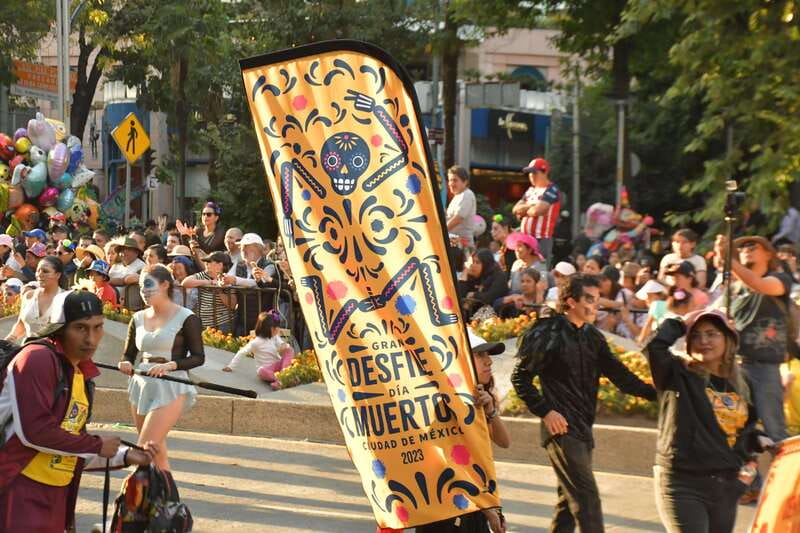
The coach ride from the cemetery to Xochimilco takes about 40 minutes under normal conditions, though traffic may add more time. At Xochimilco, you have about an hour for a guided visit, sightseeing, and possible shopping before the boat portion begins.
Xochimilco is known for its canals and chinampas, the traditional floating garden plots that reflect an older agricultural system. During the tour, you will approach this area at night, so you should adjust your expectations. The setting can feel atmospheric, but you will not get the same clear view of the canals, gardens, and surrounding activity that you would in daylight.
The 75-minute trajinera cruise is the evening’s most social section. You sit on a colorful flat-bottomed boat and move through the canals while a live Mariachi group performs. Music gives the ride energy, and it creates a natural break after the quieter cemetery visit.
Food and drinks are not included. Vendors may offer snacks and soft drinks on or near the boats, but prices and quality can vary. Packaged chips and soda have been sold at high prices on some departures, so bring your own supplies if the operator allows it, or eat before boarding. The tour information does not promise a meal.
The boat ride is a good addition if you want an evening with music and local atmosphere. It is less convincing if your main goal is a close look at Day of the Dead customs. Xochimilco is part of Mexico City’s cultural identity, but a dark canal cruise does not explain the holiday as directly as the cemetery visit.
Other city tours we've reviewed in Mexico City




Guides, group pace, and organization
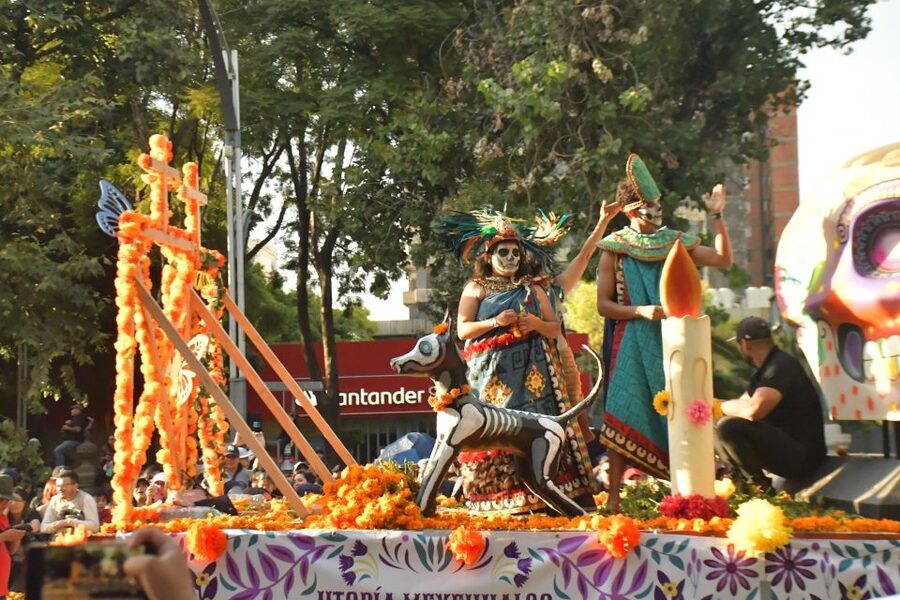
The tour is offered in English and Spanish with a professional guide. The guide is expected to explain the history and customs, lead you through the cemetery, and manage the transfers between the coach, cemetery, and boats.
In a well-run departure, that structure is useful. You do not need to work out transport to Panteón de Dolores or Xochimilco yourself, and the guide can explain why the holiday combines older Mexican beliefs with Catholic traditions.
The practical record is less even. One group waited about an hour at pickup without clear information before the coach arrived. Another spent much longer than expected reaching the cemetery and then faced delays caused by restroom and food stops. A guide who walks too quickly can also make the cemetery visit stressful.
I would treat this as a large-group outing rather than a quiet small-group walk. Keep your guide’s phone number if it is provided, remember the coach color or location, and count your own companions at every stop. This is particularly important after the cemetery and at the boat dock, where it is easy to get separated.
Traffic is a real factor, not a minor footnote. The tour crosses several parts of Mexico City on one of the city’s busiest and most heavily programmed nights. A delayed start can push the return into the early morning. Wear warm clothing on the coach and boat, since November nights can feel cool.
Is $57 a fair price?
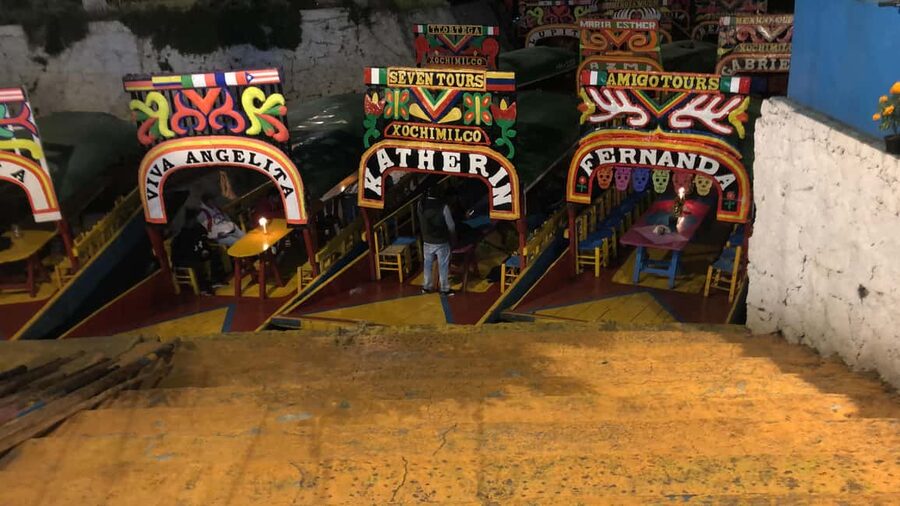
At $57 per person, the tour offers solid value if you want convenience. The fee includes round-trip transportation from the meeting point, a guide, entry to Panteón de Dolores, the trajinera ride, and live Mariachi. Arranging those pieces independently on November 1 could take considerable effort, especially if street closures and heavy traffic affect access.
The value depends on what you want most. The price makes sense for a visitor who wants one organized evening covering central landmarks, a cemetery, and Xochimilco without arranging separate taxis or boat tickets.
It is less attractive if you want extensive sightseeing at each landmark, a quiet cemetery visit, or strong views of the canals. The monument stops are short, the cemetery time is limited, and nighttime Xochimilco is more about music than scenery. Food and drinks cost extra, and the long transfers reduce the amount of time spent at each location.
The 3.4 out of 5 rating reflects that mixed balance. The strongest elements are the cemetery and the Mariachi boat ride. The biggest risks are delayed pickup, uneven guiding, a fast walking pace, and a late return that may not finish exactly at the stated drop-off point.
What to wear and bring
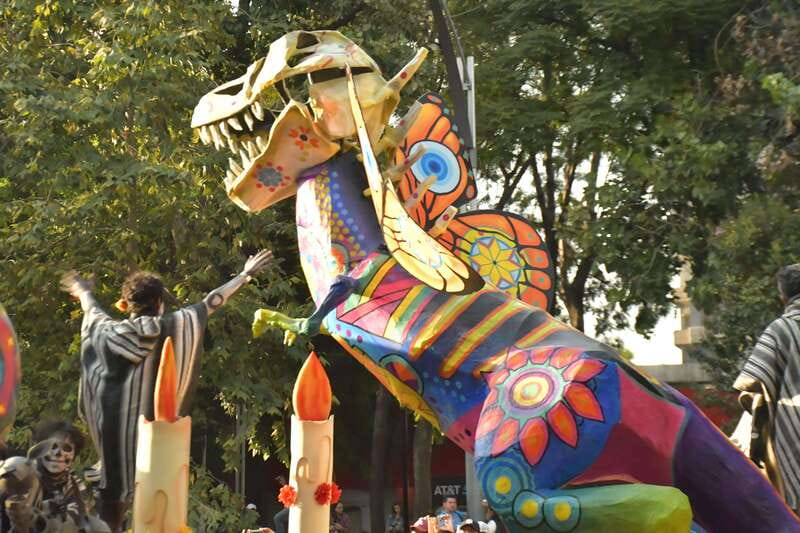
The tour information recommends comfortable shoes, warm clothing, a jacket, an umbrella, and rain gear. Take that advice seriously. You will walk through a cemetery, spend time outdoors, and sit on a boat at night.
I would bring:
- Comfortable shoes with good grip
- A warm layer that you can keep on the boat
- A waterproof jacket or compact rain gear
- An umbrella if rain is forecast
- Water and any personal snacks you need
- A charged phone for contacting the guide or meeting your group
Dress for changing conditions rather than for a warm daytime forecast. Weather can affect the schedule, and traffic can make the eight-hour duration longer than planned.
Who should book this experience?

This tour suits you if you have only one Day of the Dead evening in Mexico City and want several major elements in one package. It is especially useful for first-time visitors who want transport, context, a traditional cemetery, and a festive Xochimilco finale without planning each piece alone.
You will probably enjoy it most if you are comfortable with large groups, coach transfers, late nights, and a schedule that may shift. The tour rewards flexibility.
I would choose another plan if you need reliable accessibility, dislike crowded group logistics, or want to photograph the canals and floating gardens in good light. I would also think twice if you are uncomfortable observing families during a personal ceremony. The cemetery is moving precisely because it is real, and it deserves more respect than a quick photo opportunity.
Free cancellation is available up to 24 hours before departure, and you can reserve now and pay later. Those terms help when your November plans are still changing, but they do not remove the need to confirm your meeting point and return arrangements.
Should you book the Mexico City Day of the Dead tour?
Book it if your priority is a broad, memorable introduction to the holiday, especially the cemetery visit and live Mariachi cruise. At $57, the included transport and boat ride make the price reasonable.
Skip it if you want a polished, tightly managed program. The experience can be affected by traffic, road closures, weather, group size, and guide pace. For the best chance of enjoying it, arrive early, wear warm waterproof clothing, stay close to the guide, and confirm where the coach will leave you at the end.
FAQ
When does the Day of the Dead tour operate?
The tour operates on November 1 only. Check availability for the exact starting time.
How long does the tour last?
The advertised duration is eight hours, though traffic, weather, and city events can affect the schedule.
What languages are available?
The tour is offered with a live guide in English or Spanish.
Where can I meet the tour?
Pickup is available behind the Palacio de Bellas Artes on Avenida Hidalgo, at the Amigo Tours Downtown Meeting Point, or at the Lunario sculpture near Auditorio Nacional.
What is included in the price?
Round-trip transportation from the meeting point, a professional guide, entrance to Panteón de Dolores, a trajinera boat ride, and a live Mariachi performance at Xochimilco are included.
Are food and drinks included?
No. Food and drinks are not included in the tour price.
How much time is spent at the cemetery?
The planned visit to Panteón de Dolores lasts about 40 minutes and includes walking, free time, and a self-guided portion.
Is the tour suitable for people with mobility impairments?
No. The tour is not suitable for people with mobility impairments.
What should I bring?
Bring comfortable shoes, warm clothing, a jacket, an umbrella, rain gear, and clothing suited to the weather. Thermal clothing may be useful on a cool November night.
More City Tours in Mexico City
More Guided Tours in Mexico City



More tours in Mexico City we've reviewed








Guided, compared.
 ★ 4.5Teotihuacan Early Access Guided Tour with optional LunchFrom $398 hours (approx.)
 ★ 4.5Anthropology Museum Guided TourFrom $392 hours 30 minutes (approx.)
 ★ 4.4Mexico City: Anthropology Museum Guided VisitFrom $672.5 hours
 ★ 4.5Mexico City: Frida Kahlo Museum Entry Ticket w/Digital GuideFrom $34
 ★ 5.0Guided Tour in Teotihuacan with Cave Breakfast and Transportation5 to 6 hours (approx.)
 ★ 5.0Teotihuacan Private Tour with Expert Guide & Cultural InsightsFrom $1408 hours (approx.)
 ★ 5.0Teotihuacan Early Morning Tour: Avoid Crowds, & Expert GuideFrom $808 hours (approx.)
 ★ 4.7Mexico City: Guided Volcano Trek with LunchFrom $1059 hours