
Reviewed · CITY TOURS
Mexico City: Gay Tales
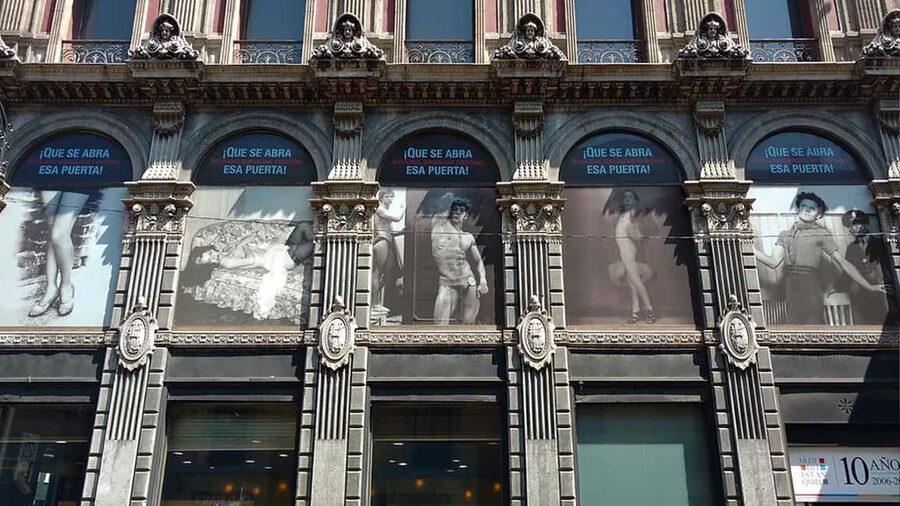
Mexico City’s grandest central street has a queer past that is easy to miss unless someone points it out. This 3.5-hour walk follows Madero Street and nearby lanes, linking museums, old theaters, shops, churches, restrooms, cinemas, and former bathhouses to LGBTQ+ stories from the 19th and 20th centuries. You’ll hear about Those 41, the first pornographic cinema, and a trans man recognized by the Mexican army as a colonel.
In This Article
- Key points to know before you book
- Why this walk adds a new layer to Mexico City
- Starting at the former Bethlemitas chapel
- The Casa de los Azulejos and public life
- Pastelería Ideal, The Borcegui, and stories hidden in shops
- Forty-five minutes along Avenida Francisco I. Madero
- La Casa del Pavo and the old National Theatre
- The Palace of the Countship and coded public spaces
- Banamex Culture Palace and the route’s final connections
- Finishing at the Estanquillo Museum
- Is $79 a fair price?
- Walking conditions, timing, and who should book
- Should you book Mexico City: Gay Tales?
- FAQ
- How long is the Mexico City: Gay Tales tour?
- Where does the tour begin?
- Where does the tour end?
- What language is the tour offered in?
- What is included in the price?
- Are food and drinks included?
- Is the tour suitable for children?
- What should I bring?
I like the tour’s tight focus on the Historic Center, since you get a useful history lesson without spending half the day crossing town. I also like the digital map and follow-up collection of videos and sources, which give you something to explore after the walk. The main drawback is the physical demand: three and a half hours on foot, with no stated accessibility for people with mobility impairments.
Key points to know before you book
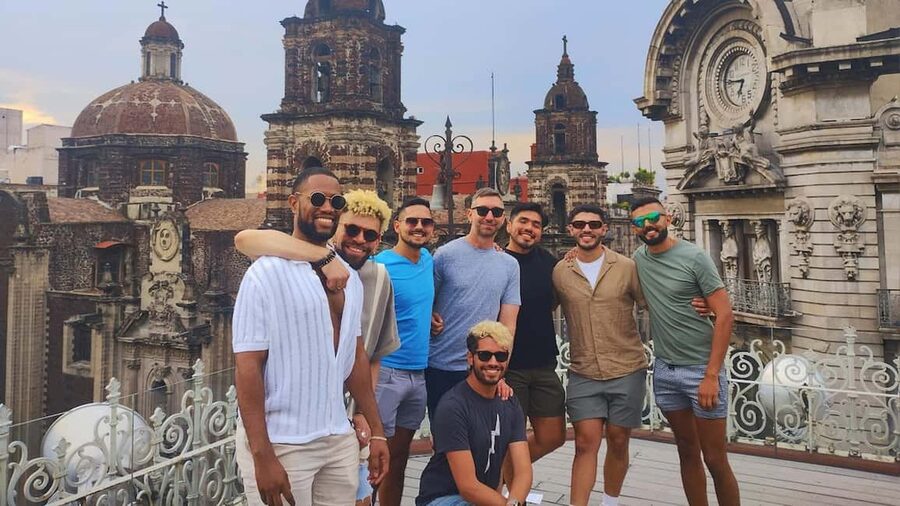
- Madero Street is the main stage: Most of the story unfolds along or near one of the Historic Center’s most important old streets.
- The tour connects buildings to people: Museums, shops, theaters, cinemas, and former bathhouses become clues in a larger LGBTQ+ story.
- The story reaches back to the 19th century: You’ll hear about cruising, coded social spaces, censorship, and community life during the 1800s and 1900s.
- Those 41 gets a physical reminder: Replicas of the high-heeled shoes linked to the famous 1901 cross-dressing ball help make the story tangible.
- Carlos brings strong historical detail when he leads: His clear presentation and storytelling were singled out in a verified booking.
- Plan for serious walking: Wear supportive shoes, bring sun protection, and expect changing weather in the open-air Historic Center.
Why this walk adds a new layer to Mexico City
You can walk through Mexico City’s Historic Center and see only churches, grand facades, museums, and department stores. This tour asks you to look again. A doorway, restroom, theater entrance, or shop may carry a different meaning when you know how LGBTQ+ people used that space.
That is the best reason to book this experience. It does not treat queer history as a separate subject tucked away in one museum. Instead, it places that history on the same streets where daily life, commerce, religion, government, and entertainment have unfolded for centuries.
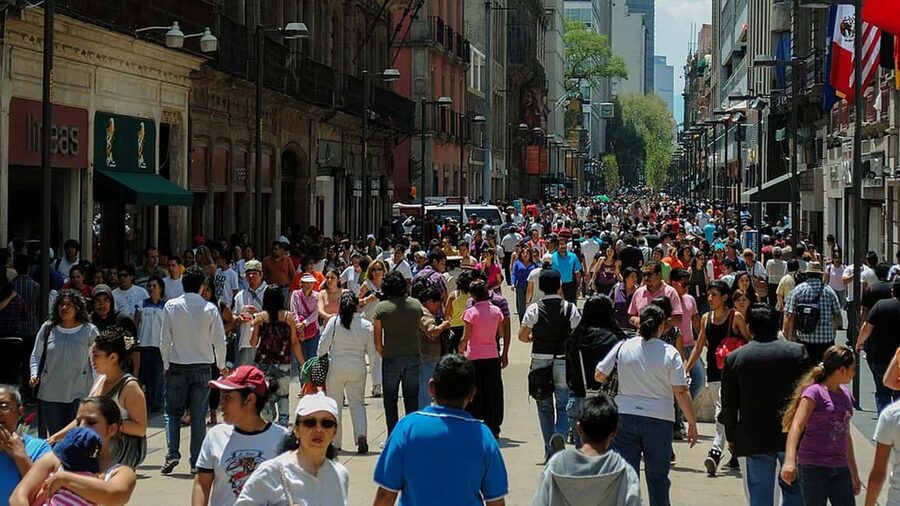
The walk centers on the narrow area around Madero Street, described as the Main or High street within the 16th-century city limits. Keeping the route compact helps the guide build a connected story. You are not simply checking off unrelated sites. You are moving through places where LGBTQ+ people met, watched, worked, socialized, took risks, and formed a community.
The tone also appears to be one of storytelling rather than a dry lecture. A verified booking praised the guide’s clear explanation of the buildings and period, while another highlighted the fun of seeing Mexico City through a gay history perspective. If Carlos leads your departure, expect a guide who knows this period well and enjoys sharing its details.
Other city tours we've reviewed in Mexico City

Starting at the former Bethlemitas chapel
Meet outside the main entrance to the MIDE Museum, curbside, at C. de Tacuba 17. The meeting point is one block from Allende Metro station, so you can reach it by public transportation within the Historic Center.
The first substantial stop is the Museo del Ejército y Fuerza Aérea Mexicanos, housed in the former Bethlemitas chapel. You spend about 25 minutes here with time for a photo stop, a visit, and guided explanation.
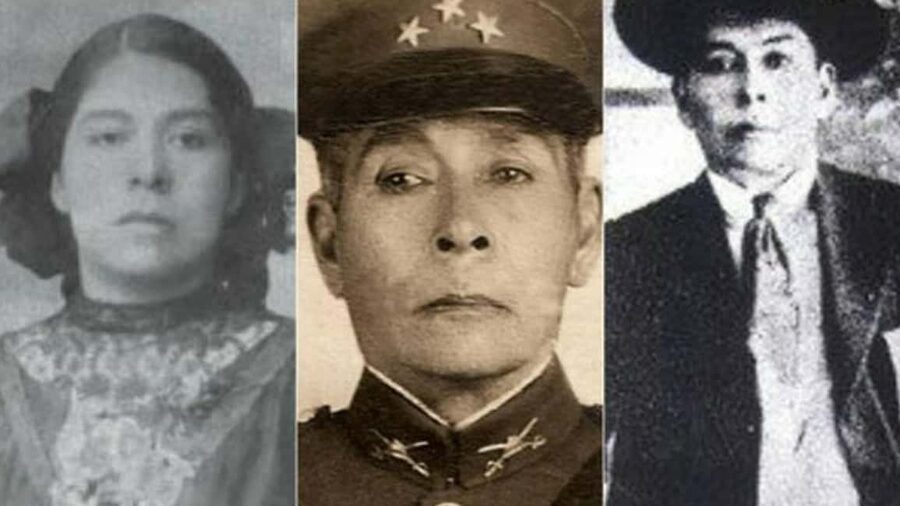
The building matters because the tour connects it to the story of the first trans man unsuspectedly recognized as a colonel by the Mexican army. That detail gives the tour an early focus on identity, public recognition, and the limits of what institutions understood about the people within them.
You should expect to look closely at the building and hear the relevant story rather than receive a general military museum tour. If military collections are not your interest, the stop may feel less important on its own. Its value comes from the way the guide places one person’s life inside a formal institution.
The Casa de los Azulejos and public life
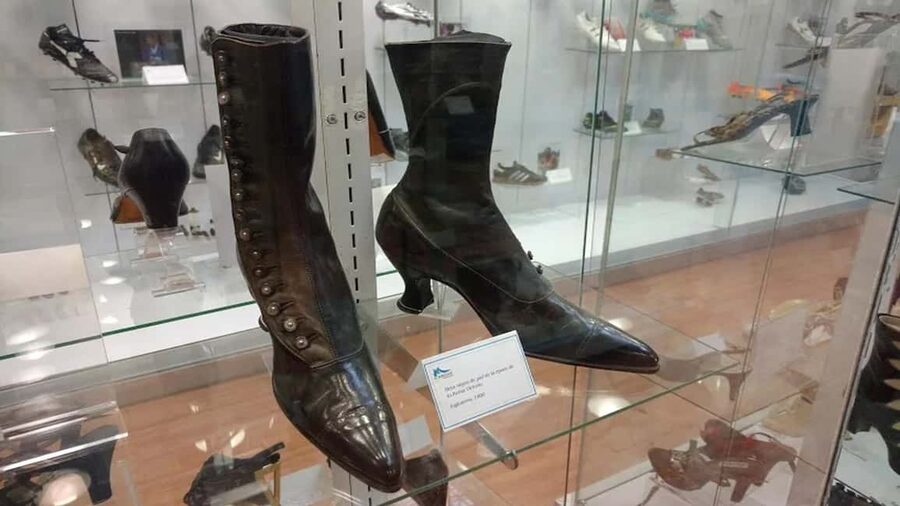
The next stop is the Casa de los Azulejos, the famous blue-and-white tiled building. You have about 20 minutes here for photographs and explanation.
This is a good example of how the tour uses well-known architecture as a starting point. You are not visiting a remote archive or a site marked only by a plaque. You are standing in a landmark that many people see, then learning how public spaces around it carried meanings for gay men in the late 19th and early 20th centuries.
The route introduces the idea of the cruising lizards, a phrase linked to gay men’s activities in the Historic Center during that period. The story helps explain how people found one another in an era when private life could be watched, censored, or punished.
That context is important. LGBTQ+ history is often reduced to famous activists or legal milestones. Here, you get a look at ordinary social behavior and the small signals people used to create contact. The tour’s physical setting makes those stories easier to picture.
Pastelería Ideal, The Borcegui, and stories hidden in shops
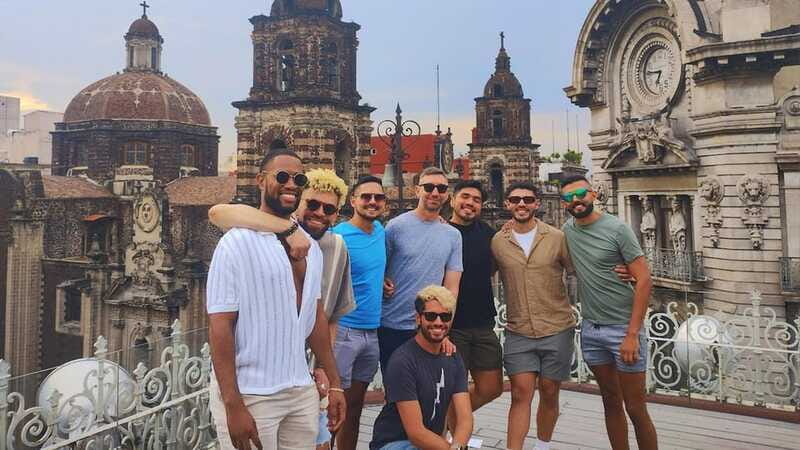
Pastelería Ideal is scheduled for about 25 minutes, followed by roughly 20 minutes at the Footwear Museum, known as The Borcegui. Both are photo stops with guided commentary.
The bakery is especially intriguing because it provides an unusual entrance into the past. You will learn about a former convent that can be entered through a bakery, and about the favorite seminarist of the Inquisidor-in-Chief who lived there. The story brings together religion, secrecy, male intimacy, and the built environment in a way that is more complicated than a simple tale of open acceptance or rejection.
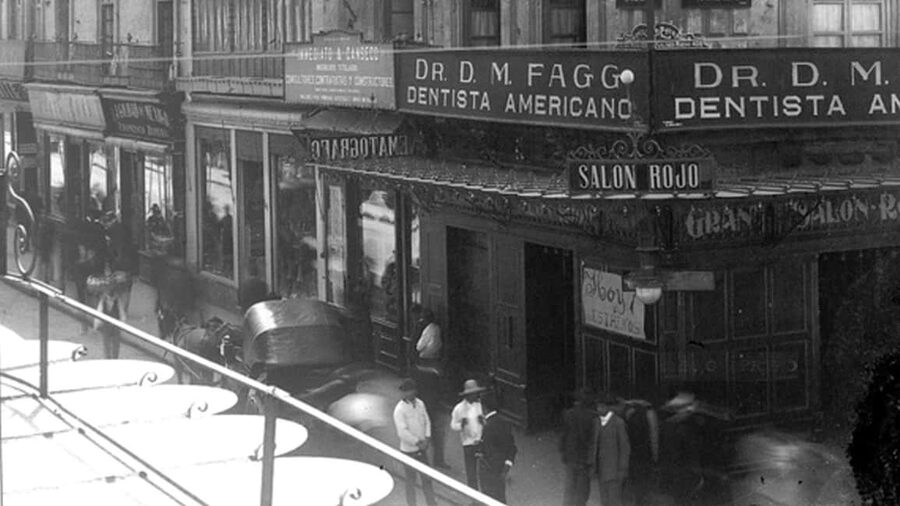
The Borcegui connects to the famous 1901 cross-dressing ball known as Those 41. The tour includes replicas of the high-heeled shoes worn at the event. That object gives you a physical marker for a story that might otherwise remain abstract.
Those 41 is one of the tour’s key episodes because it shows how a public scandal helped expose a hidden social world. The shoes are not just a photo opportunity. They point to clothing, performance, police attention, and the way authorities and newspapers could turn private identity into public spectacle.
You will also pass the former office of censorship against immoral editions. This helps explain why records of LGBTQ+ life can be scattered, coded, or difficult to read. The existence of censorship shaped what people could publish and what later generations could find.
Forty-five minutes along Avenida Francisco I. Madero
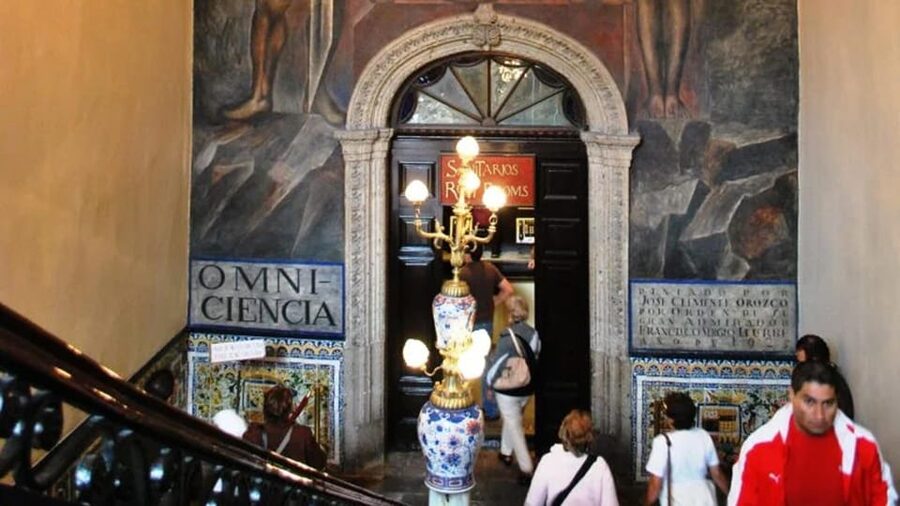
Avenida Francisco I. Madero receives the longest single stretch of the walk, about 45 minutes. That makes sense. This is the route’s central corridor and the place where the various stories begin to connect.
Here, the guide interprets monuments and sites through the eyes of gay men around the turn of the 20th century. A monument is never only stone and decoration in this context. Its location, nearby businesses, public toilets, theaters, and pedestrian traffic could all affect how people used it and understood it.
The tour also points out the site of the first pornographic cinema, one of the last remaining gay cinemas, and the former location of the first bathhouse. These references show how entertainment and private spaces helped form social networks.
Do not expect every site to look as it did in the past. Much of the pleasure comes from learning what has changed and what remains. You may be looking at a functioning shop, a renovated facade, or an ordinary street corner. The guide supplies the missing layer.
Because this is a public thoroughfare, you will be walking among everyday city life rather than through a controlled museum exhibit. That makes the experience more authentic, but it also means street noise, crowds, weather, and interruptions are part of the setting.
A few more Mexico City tours and experiences worth a look
La Casa del Pavo and the old National Theatre
The route gives about 45 minutes to La Casa del Pavo. This is another major storytelling stop, tied to the former National Theatre and its backstage entrance.
The guide explains how gay men connected at a bar near the old theater’s backstage door. The account links theater, nightlife, and chance meetings to the growth of one of the country’s largest LGBTQ+ communities.
This is a useful reminder that community does not appear from nowhere. It forms around places where people can gather, watch performances, work, drink, exchange information, and return regularly. The old theater site helps you see how entertainment districts could create social space even when open discussion of sexuality was unsafe.
The name La Casa del Pavo also adds a local, street-level feel to the walk. Instead of treating history as a series of official dates, the tour keeps returning to restaurants, shops, bars, bathrooms, and entrances. Those are the places where people actually lived their social lives.
The Palace of the Countship and coded public spaces
Another story concerns the Palace of the Countship, described as a beautiful building whose restrooms became famous across Mexico through a store chain. The tour presents these restrooms as among the city’s most active cruising spots.
This may be one of the more provocative parts of the experience. The point is not simply that a restroom existed. It is that public facilities could become known meeting places, with reputations that spread well beyond the immediate neighborhood.
Stories like this can change the way you read a historic center. A building’s official purpose may say one thing, while its social use says another. The tour gives you tools for noticing that difference.
The material is intended for adults, and the subject matter includes sex, cruising, pornography, censorship, and police or institutional attention. The experience is not suitable for children under 18, and you should choose it only if you are comfortable with direct discussion of those topics.
Banamex Culture Palace and the route’s final connections
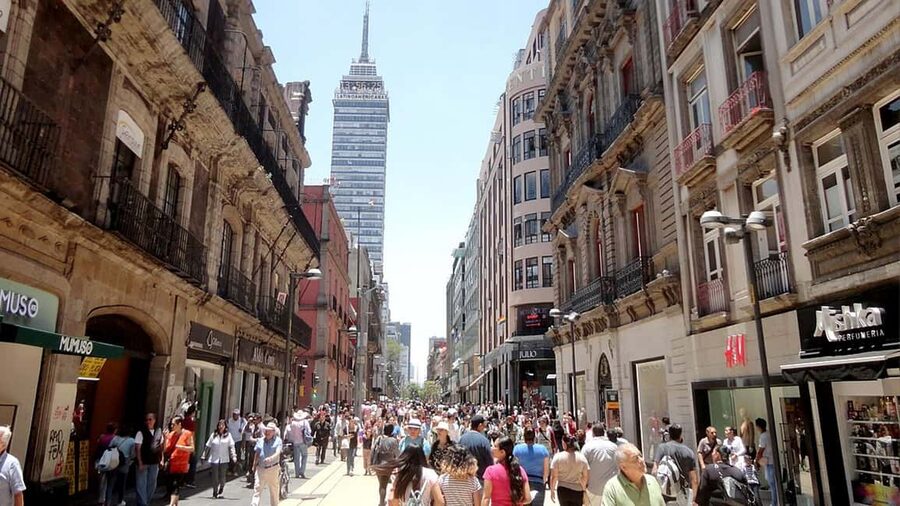
The Banamex Culture Palace receives about 30 minutes. By this point, you have heard stories tied to military buildings, tiled mansions, bakeries, shoe stores, theaters, cinemas, bathhouses, and commercial spaces.
The stop helps bring the architectural side of the tour back into focus. You are still learning about LGBTQ+ life, but you are also reading the Historic Center as a series of overlapping uses. A palace can be an art site, a historic structure, and part of a city route where queer men developed their own interpretations and habits.
The guide also explains the Pools’ Circuit Trolley and other forgotten references along the Main or High street. These details expand the story beyond the most famous locations. You learn about bathhouses, public movement, and the reasons the community moved elsewhere in the 1950s.
That shift is important. Neighborhoods and meeting places do not remain fixed. Changes in policing, commerce, housing, public attitudes, or transportation can push a community toward a new part of the city. The tour gives you that sense of movement instead of ending with a frozen portrait of the past.
Finishing at the Estanquillo Museum
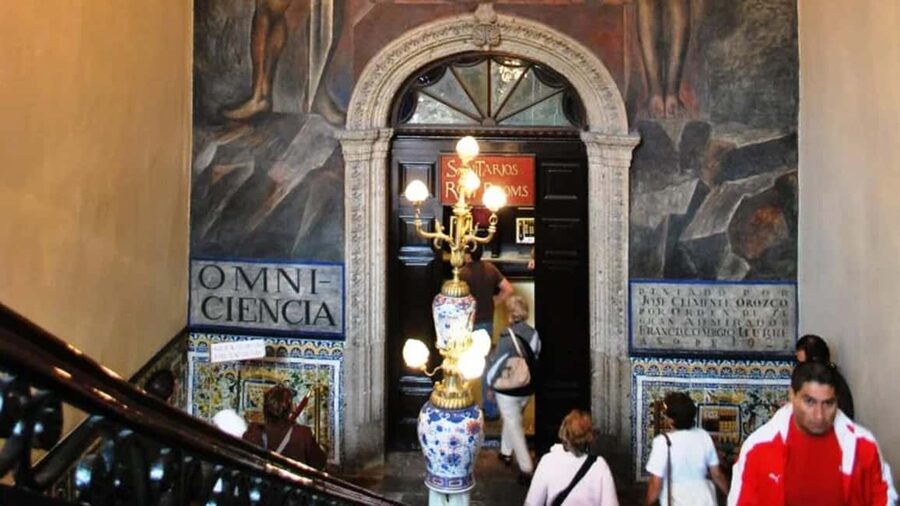
The walk ends at the Estanquillo Museum. The tour information does not specify a final museum admission or a separate museum visit, so treat this as the endpoint rather than assuming entry is included.
The finish is practical. You remain in the Historic Center, close to other sights and transport options, rather than ending far from the area you have been exploring. It also leaves you with a natural place to continue looking at Mexico City’s culture, provided you check the museum’s opening details separately.
After the experience, you receive a digital LGBTQ-focused map of the Historic Center, along with videos, sources, and other resources. I consider that a real benefit. Three and a half hours can introduce many names and places, and the extra material lets you revisit the stories at your own pace.
Is $79 a fair price?
The cost is $79 per person. That is not a bargain-priced city stroll, so the value depends on what you want from your time in Mexico City.
If you only want to see major facades and take photographs, you can walk Madero Street without paying for a guide. But you would miss the links between the buildings, the censorship office, the old cinemas, the bathhouses, Those 41, the military story, and the social history of cruising.
I think the price makes the most sense for someone who wants a focused LGBTQ+ history experience in English. The tour lasts three and a half hours, includes a live guide, and adds a digital map plus follow-up sources. You are paying for interpretation and research, not admission to a long list of attractions.
Food and drinks are not included. Since the walk passes through a commercial part of the city, you can handle those costs separately, but bring water and avoid starting hungry. The route is long enough that comfort matters.
Walking conditions, timing, and who should book
Wear comfortable shoes. You will spend most of the experience outdoors, with repeated stops for photos and commentary. Sunglasses, a sun hat, and sunscreen are sensible, and you should be ready for changing weather.
The tour is offered in English with a live guide. Starting times vary, so check the available departure when booking. The group size is not provided, so do not assume a private tour or a small-group format.
This is best for:
- Adults interested in LGBTQ+ history and urban culture
- First-time visitors who want a different way to read the Historic Center
- People who enjoy guided storytelling more than a standard monument tour
- English-speaking visitors who want historical context tied to actual streets and buildings
- Walkers comfortable with three and a half hours on foot
It is not a good fit for children under 18 or people with mobility impairments. The route includes substantial walking, and the information is adult in subject and tone.
Cancellation is flexible up to 24 hours before the experience for a full refund, and you can reserve now and pay later. Those terms help if your Mexico City plans are still shifting, but the more important decision is whether the topic and walking pace suit you.
Should you book Mexico City: Gay Tales?
Book it if you want to see the Historic Center through a clear LGBTQ+ lens rather than receive another general architecture tour. The strongest parts are the specific stories: the 1901 ball, the high-heeled shoe replicas, the theater’s backstage meeting place, the old porn cinema, the bathhouses, censorship, and the community’s move in the 1950s.
I would especially recommend it early in your Mexico City stay. The digital map and street-based explanations can help you notice more during later walks through the center.
Skip it if you want a relaxed, short outing, dislike adult subject matter, or need an accessible route. For everyone else, $79 is reasonable when the goal is a focused, story-led look at a part of Mexico City that standard sightseeing often leaves out.
FAQ
How long is the Mexico City: Gay Tales tour?
The walking tour lasts 3.5 hours.
Where does the tour begin?
It begins outside the main entrance to the MIDE Museum at C. de Tacuba 17, curbside. The meeting point is one block from Allende Metro station in Mexico City’s Historic Center.
Where does the tour end?
The experience ends at the Estanquillo Museum.
What language is the tour offered in?
The tour is conducted in English with a live guide.
What is included in the price?
The price includes the walking tour, a guide, a digital LGBTQ-focused map of the Historic Center, and a collection of videos, sources, and other resources for after the experience.
Are food and drinks included?
No. Food and drinks are not included.
Is the tour suitable for children?
No. The experience is not suitable for children under 18 because it discusses adult LGBTQ+ history, including cruising, pornography, bathhouses, and sexual meeting places.
What should I bring?
Bring comfortable walking shoes, sunglasses, a sun hat, and sunscreen. You should also prepare for varying weather conditions.
More LGBTQ-Friendly in Mexico City
More City Tours in Mexico City


More tours in Mexico City we've reviewed



City Tours, compared.
 ★ 4.6Mexico City: Teotihuacan, Tlatelolco & Guadalupe Shrine TourFrom $49
 ★ 5.0Teotihuacan Hot Air Balloon Flight from Mexico City / VolareFrom $1553 to 9 hours (approx.)
 ★ 5.0Teotihuacan Private Tour from Mexico CityFrom $1401 to 5 hours (approx.)
 ★ 5.0Historic Center Food Tour in Mexico CityFrom $1155 hours (approx.)
 ★ 5.0The best tour to Teotihuacán from Mexico CityFrom $506 to 7 hours (approx.)
 ★ 4.3From Mexico City: Puebla, Cholula and Tonantzintla Day TripFrom $89
 ★ 4.0Mexico City: Hop-on Hop-off Bus TourFrom $211 - 2 days
 ★ 4.8Mexico City: Historic Downtown Walking TourFrom $263 hours