
Reviewed · BUS TOURS & PASSES
Mexico City: Hop-on Hop-off City Tour by Turibus 2-Day Pass
Mexico City is too large for one tidy sightseeing loop, and this two-day Turibus pass handles that problem well. From the open top, you can cover the Historic Center, Coyoacán, Polanco, and the Basilica without arranging four separate rides. I especially like the broad city views and the freedom to stop for museums, food, parks, and shopping.
In This Article
- Key points to know before you board
- Why the Turibus works in a city this large
- The Historic Center circuit, the best place to begin
- Coyoacán, Frida Kahlo, and the artistic south
- The Basilica circuit and Mexico’s spiritual side
- Polanco for museums, shopping, and polished city life
- Audio guide, open-top views, and what you actually receive
- The biggest practical issue is waiting
- A simple two-day plan that makes sense
- Who should buy this pass
- Should you book the Mexico City two-day Turibus pass?
- FAQ
- How long is the Turibus pass valid?
- How many routes are included?
- Can I hop on and off more than once?
- Is an audio guide included?
- Which languages are available for the audio guide?
- Are museum entry tickets included?
- Can I visit the Frida Kahlo Museum with this pass?
- How often do the buses run?
- Is the Basilica circuit always available?
- Is the bus suitable for wheelchair users?
I also like that the pass gives you unlimited rides over two consecutive days, with an audio guide and headphones included. The main catch is timing: one route may arrive about every 20 minutes, while others can run roughly once an hour. Poorly marked stops and unclear meeting points can make the plan more frustrating than it should be.
Key points to know before you board
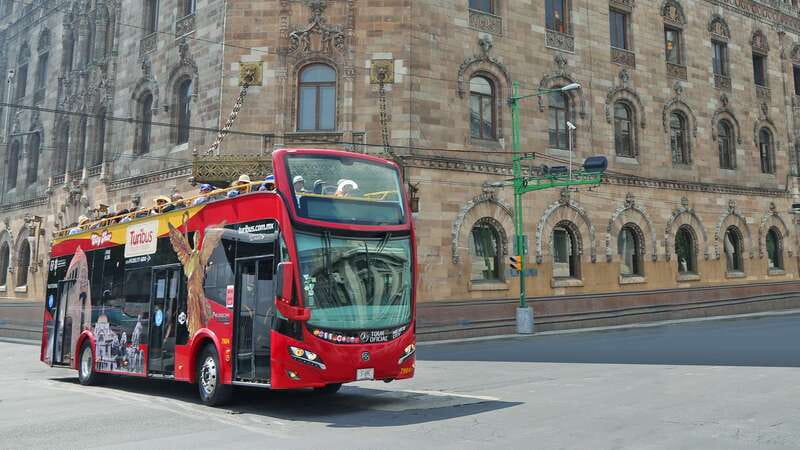
- Four distinct circuits: Connect to the Historic Center, Coyoacán, Basilica, and Polanco routes with one pass.
- Two consecutive days: You can ride as much as you like, but the ticket must be used on back-to-back days.
- Best for first bearings: The open-top deck gives you a useful look at Mexico City’s scale, architecture, monuments, and major districts.
- Long waits are possible: One route reportedly passes about every 20 minutes, while the others may run about once an hour.
- Attraction tickets cost extra: The pass gets you around town, but museum and other entry fees are not included.
- Plan your stop carefully: Some stops are poorly signposted, and the meeting point can change depending on the option you book.
Why the Turibus works in a city this large
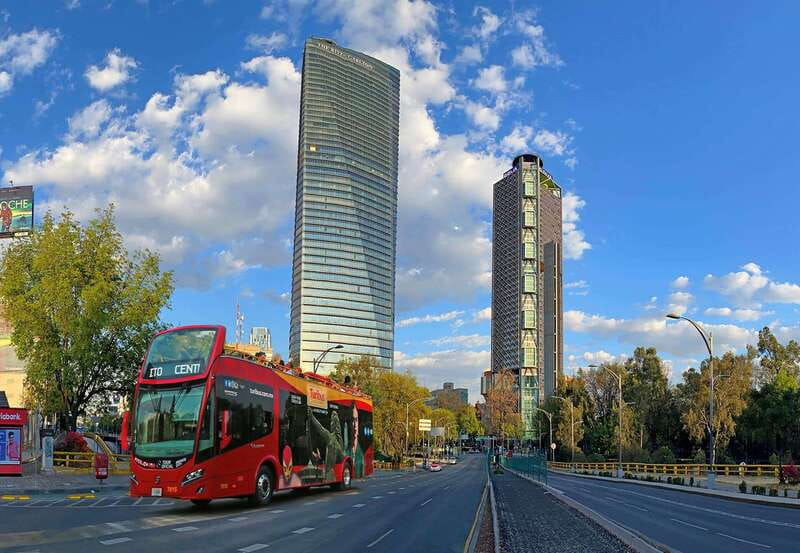
Mexico City spreads across a huge area, with major sights separated by long stretches of city streets. A hop-on hop-off bus will not replace the Metro, taxis, or walking, but it gives you a simple way to connect districts that would otherwise take more planning.
I would use this pass early in a visit. The first ride helps you understand how the Historic Center relates to Coyoacán, Polanco, and the Basilica area. You can then return to the places that caught your eye, using the second day for museums, meals, or a slower look at one neighborhood.
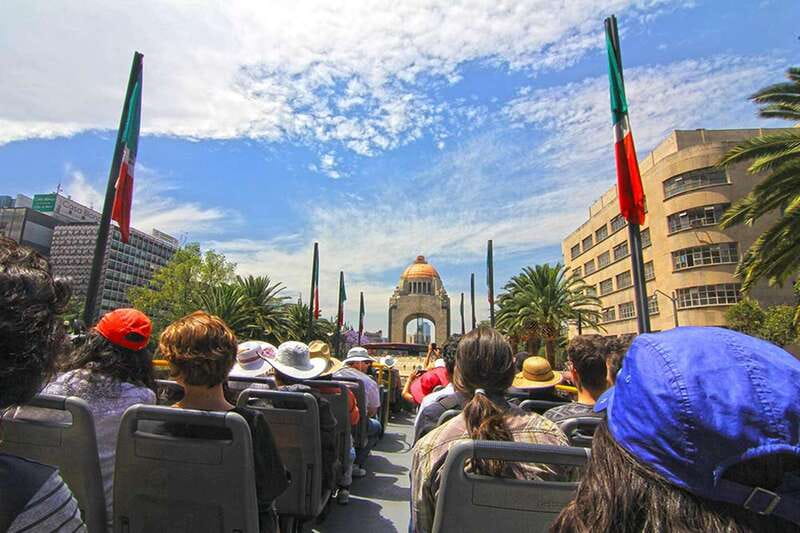
The open-top bus is also useful for seeing Mexico City above street level. You get a clear view of monuments, façades, parks, shopping areas, and broad avenues. On a clear day, the upper deck is the best seat. Bring a sun hat, comfortable clothing, sunscreen, and a camera.
The pass costs $25 per person. That is a reasonable price if you use several routes or make repeated rides over both days. It is less attractive if you only want a single transfer or plan to visit one area on foot. The value comes from using the ticket as moving transport, not simply as a one-time sightseeing circuit.
A few more Mexico City tours and experiences worth a look

The Historic Center circuit, the best place to begin
The Historic Center route is the most useful introduction to Mexico City. This is where you see the city’s grand architecture, monuments, museums, public spaces, and food traditions in one concentrated area.
The route includes access to sights near the Templo Mayor Museum, an important stop for understanding the city before and after the Spanish conquest. The museum itself requires a separate entry ticket, so you should budget extra if you plan to go inside.
You can also use this circuit for central monuments, historic buildings, and local food stops. The route is especially helpful if you want to get your bearings before exploring on foot. I would ride once without getting off, then choose one or two stops for a closer look rather than trying to visit every attraction in one day.
The main weakness is street traffic. Mexico City roads can slow the bus, and demonstrations, closures, weather, and local events may change the route or schedule. Keep your plan flexible. If you have a timed museum ticket, leave plenty of room before and after the planned bus ride.
Coyoacán, Frida Kahlo, and the artistic south
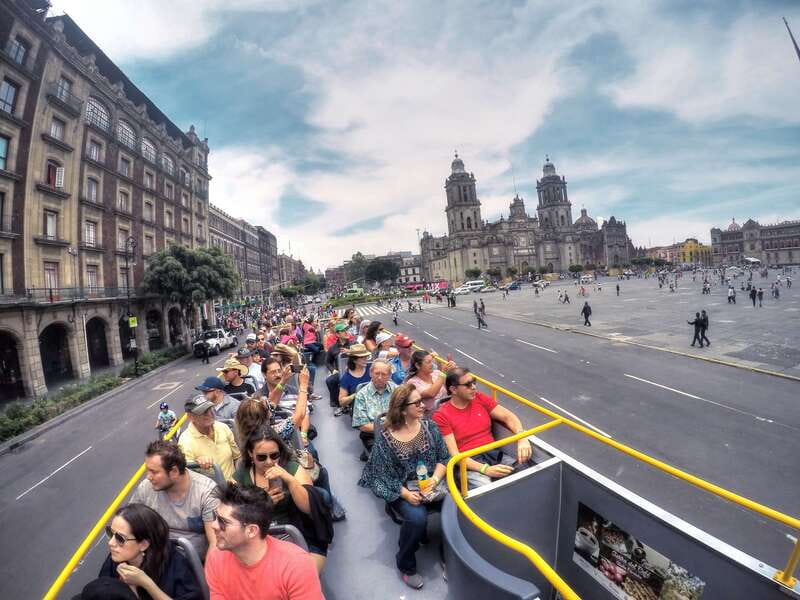
The Coyoacán circuit takes you into one of Mexico City’s most characterful areas. The route is aimed at culture, art, local customs, food, and neighborhood life rather than only large monuments.
The Frida Kahlo Museum is one of the key attractions associated with this area. Entry is not included, so you will need a separate ticket if you want to visit. The pass is still useful here because it carries you toward a district that sits well away from the central sights.
Coyoacán is a good choice for a slower second-day outing. You can get off, walk around, find a meal, and return to the bus when ready. The description also points to Xochimilco as part of the broader southern experience, but you should not assume that this bus pass includes a traditional boat ride. The included service is transportation on the Turibus circuits, and separate attractions cost extra.
The Coyoacán route may require patience. The less frequent circuits can create long waits, especially if you miss one bus. Check where you need to board next before walking away from a stop. A phone with a map, a small amount of cash, and a backup taxi or rideshare plan can save time if the schedule slips.
The Basilica circuit and Mexico’s spiritual side
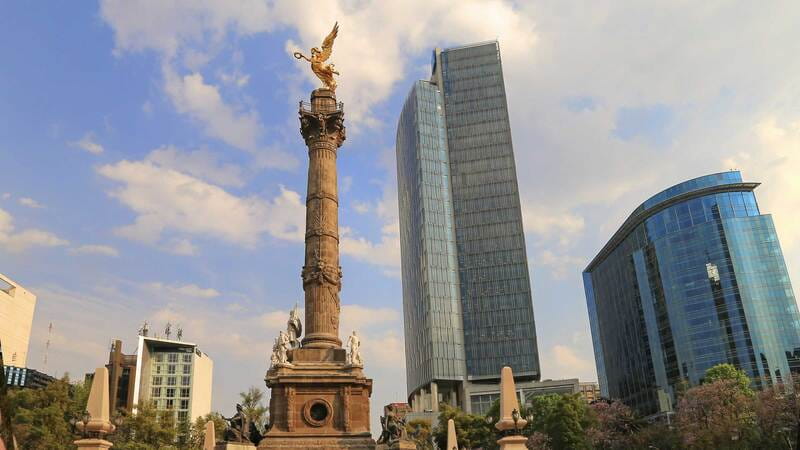
The Basilica circuit focuses on one of Mexico’s most important religious sites. It offers a different view of the city from the museum and shopping routes, with the chance to see the halls and surroundings of a major worship center in Mexico and Latin America.
This circuit makes sense for visitors interested in religious art, Mexican customs, and the spiritual life of the country. It also gives the two-day pass more range than a standard central-city bus tour.
There is one important date restriction: the Basilica circuit is closed from December 10 through December 12. Those dates are tied to one of the busiest religious periods in Mexico City, so do not build your sightseeing plan around this route during that window.
As with the other circuits, the bus takes you to the area but does not include entry fees for attractions. It is worth checking the route and operating details before you set out, particularly if you are visiting during a holiday, festival, demonstration, or period of road closures.
Polanco for museums, shopping, and polished city life
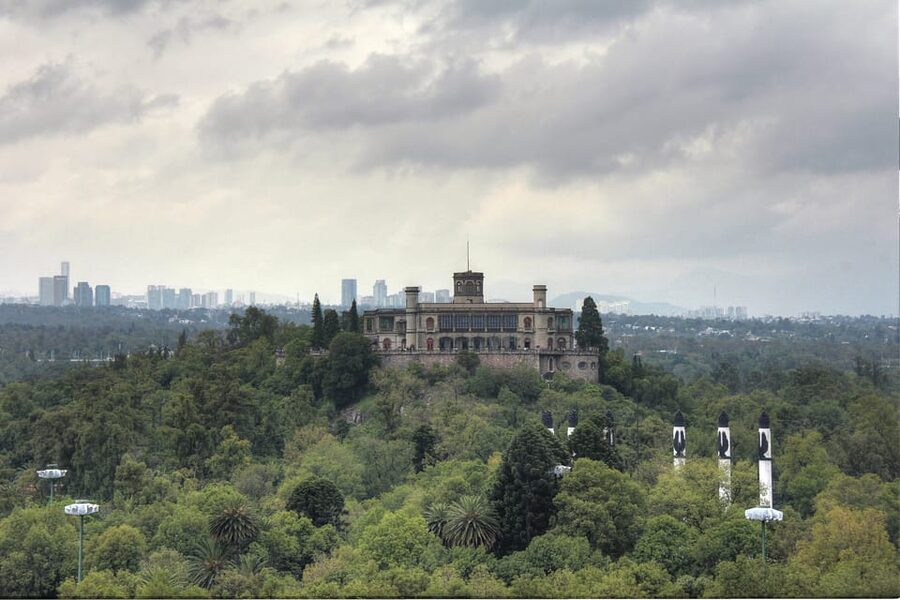
Polanco shows another side of Mexico City. This district is known for prestigious shopping, restaurants, bars, parks, and major museums.
The route can take you toward the Museum of Anthropology and History, the Rufino Tamayo Museum, the Museum of Contemporary Art, and the Soumaya Museum. These are separate visits, and none of their entry tickets is part of the $25 pass.
I like this circuit because it lets you compare several types of Mexico City in one trip. The Historic Center gives you monuments and older architecture. Coyoacán offers an artistic neighborhood feel. Polanco brings upscale dining, galleries, shopping, and large museum collections.
You do not need to treat Polanco as a shopping-only stop. Even if you have no interest in luxury stores, the route can be useful for reaching the museums and parks in this part of town. Plan your day around one or two indoor visits, then use the bus to see more of the district without walking long distances between each stop.
Other city tours we've reviewed in Mexico City





Audio guide, open-top views, and what you actually receive
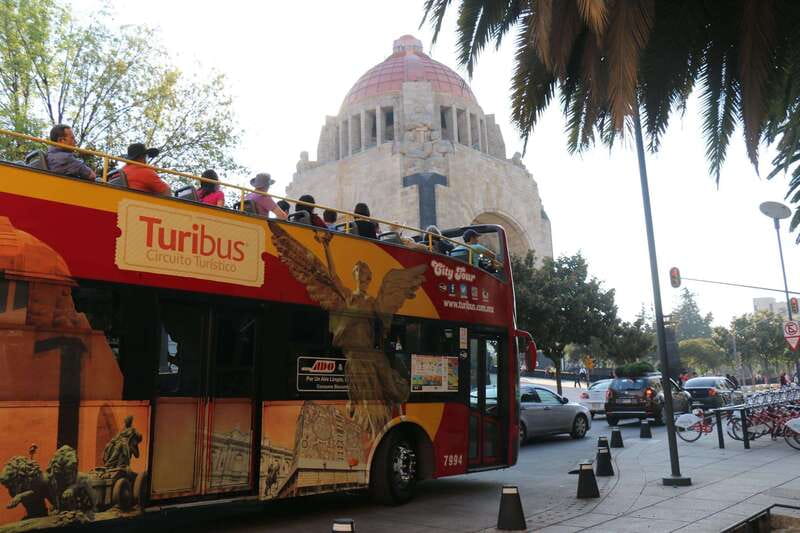
The audio guide is included, along with headphones. It is advertised in nine languages, with English, French, German, Italian, Japanese, Portuguese, and Spanish among the listed options.
The commentary gives the ride more structure than a simple city bus. You can look at the buildings and monuments while learning what you are seeing. Still, an audio guide cannot answer questions, adjust the pace, or explain a sudden street closure. If you want detailed local interpretation, you may prefer a guided walking tour for a specific neighborhood.
The open upper deck is the main visual attraction. You can see over cars and walls, which makes it easier to appreciate the size of Mexico City. It is also a pleasant way to reach a new district before spending time indoors.
Weather matters. Bring a hat and comfortable clothes, and be ready for sun. If the weather turns poor, the upper-deck experience loses some of its appeal, and the company may adjust the route. Road closures and public demonstrations can also affect the itinerary. These changes are outside the operator’s control and do not qualify for a refund under the stated conditions.
The biggest practical issue is waiting
The pass promises unlimited rides, but unlimited does not mean instant service. A reported schedule gives one route a bus about every 20 minutes, while the others may come only once an hour. That difference changes how you should use the ticket.
For the more frequent route, hopping off for a short visit is fairly easy. For an hourly route, getting off can commit you to a longer stop. That is not necessarily bad, but you need to plan around it. Choose a museum, meal, or neighborhood walk that can comfortably fill the gap.
There was also a case where someone waited about 90 minutes at a stop and eventually used an Uber to reach the final stop. I would not treat this as a reason to avoid the pass, but I would keep enough money on a credit card or in cash for backup transport.
Stop signs are another concern. Some boarding points are poorly marked, and the listed meeting point may not be the right place for every circuit. The four routes do not all begin at one obvious central stop. Before you leave the bus, confirm where to catch the next circuit and which direction it follows.
A simple two-day plan that makes sense

For day one, start with the Historic Center circuit. Ride enough of the route to see the main sights, then get off near the area you most want to explore. Give yourself time for the Templo Mayor Museum or another central museum, but remember that admission is separate.
Later, use the bus again to return through the center or connect toward another route if schedules allow. Avoid packing too many timed visits into this first day. Traffic can make the journey longer than the map suggests.
For day two, choose one major area rather than trying to complete all three remaining circuits. Coyoacán is the natural pick if you want art, local food, and the Frida Kahlo Museum. Polanco works better for museums, restaurants, parks, and shopping. The Basilica circuit suits visitors who want a religious and cultural site.
You can still ride another circuit for a quick look, but do not assume you will have time to hop off at every stop. The less frequent routes reward a relaxed plan.
Who should buy this pass
I would recommend the Turibus pass to first-time visitors who want a broad look at Mexico City and who are comfortable managing their own schedule. It is also useful if you want to combine distant neighborhoods without arranging separate transport every time.
Families and small groups may appreciate the straightforward format, especially if different people want different stops. The audio guide also makes it easier for everyone to follow the route without hiring a private guide.
This is not the best fit if you need precise departure times, step-free access, or a tightly timed itinerary. The experience is not suitable for wheelchair users, and traffic can disrupt the schedule. Visitors who prefer quiet streets and detailed local stories may get more from walking tours in the Historic Center, Coyoacán, or Polanco.
Bring an ID card, or a copy, along with cash and a credit card. Smoking, alcohol, and drugs are not allowed on the vehicle. Comfortable shoes matter because the bus only gets you near the sights, and the worthwhile part often begins on foot.
Should you book the Mexico City two-day Turibus pass?
Book it if you want an easy first look at a very large city and will use at least two of the four circuits. At $25, two days of transport and sightseeing can be good value, especially when you combine bus rides with museums, meals, and short walks.
Skip it if your plans depend on exact timing or if you only want to visit the Historic Center. In that case, walking and local transport may be simpler. If you do book, start with the Historic Center, confirm every boarding point before getting off, and save Coyoacán, Polanco, or the Basilica for the second day based on your interests.
The pass works best when you treat it as a flexible city framework, not a perfectly timed shuttle. Give the bus room to deal with traffic, keep a backup ride in mind, and you will get the most from the open-top views and wide choice of districts.
FAQ
How long is the Turibus pass valid?
The pass is valid for two consecutive days. You must use both days back to back.
How many routes are included?
You can connect to four routes: Historic Center, Coyoacán, Basilica, and Polanco.
Can I hop on and off more than once?
Yes. You can take unlimited rides and get off and back on at the stops during the two-day validity period.
Is an audio guide included?
Yes. The pass includes an audio guide and headphones.
Which languages are available for the audio guide?
The activity information advertises nine languages. Listed options include English, French, German, Italian, Japanese, Portuguese, and Spanish.
Are museum entry tickets included?
No. Entry tickets to museums and other attractions are not included.
Can I visit the Frida Kahlo Museum with this pass?
The Coyoacán circuit can take you to the area of the Frida Kahlo Museum, but museum admission is separate.
How often do the buses run?
The schedule varies by route. One route may pass about every 20 minutes, while other routes may operate about once an hour.
Is the Basilica circuit always available?
No. The Basilica circuit is closed from December 10 through December 12.
Is the bus suitable for wheelchair users?
No. The activity is listed as unsuitable for wheelchair users.
More 2-Day Experiences in Mexico City





More City Tours in Mexico City
More Bus Tours & Passes in Mexico City



More tours in Mexico City we've reviewed








Bus Tours & Passes, compared.
 ★ 4.0Mexico City: Hop-on Hop-off Bus TourFrom $211 - 2 days
 ★ 4.1Mexico City: Hop-on Hop-off City Tour by Turibus 1-Day PassFrom $2010 hours
 ★ 3.0Turibus Hop On Hop Off Mexico City Tour3 hours (approx.)
 ★ 3.9Mexico City: Hop-On Hop-Off Bus City TourFrom $201 day
 ★ 3.0Hop-on Hop-off or Night Tour Tourist Bus in Mexico City1 to 11 hours (approx.)
 ★ 3.4Mexico City: Night Bus TourFrom $11
 ★ 3.9Mexico City: Hop-on Hop-off City Tour with AttractionsFrom $231 day
 ★ 2.5Tourist Bus in Mexico City Night Tour or Hop-On Hop-Off Service1 hour 15 minutes (approx.)
The lists this tour appears in