
Reviewed · CITY TOURS
Mexico City: Jewish Presence
Mexico City’s Jewish story begins in a difficult place: beside the Great Aztec Temple, you’ll hear how Jewish arrivals reached Mexico in 1519 and how some later met a tragic fate at the stake. I like the way this tour connects Jewish history with the city’s larger story, from Aztec foundations to Spanish power and modern secular Mexico. I also like that you visit an actual historic synagogue, not just the places where history happened.
In This Article
- Key points at a glance
- Starting beside the Great Aztec Temple
- The Cathedral and Mexico City’s overlapping faiths
- From Spanish imperial power to a secular Mexico
- Loreto Park and the second wave of Jewish arrivals
- The 20th-century community and wartime rescue
- What Carlos adds to the experience
- Is $89 a fair price?
- Walking conditions and who should book
- Should you book Mexico City: Jewish Presence?
- FAQ
- How long does Mexico City: Jewish Presence last?
- What language is the tour offered in?
- Where does the tour begin?
- Where does the tour finish?
- Does the experience include a synagogue visit?
- Is admission included?
- Is the tour suitable for children?
- Is the experience wheelchair accessible?
- What should I bring?
The tour packs a lot into 3.5 hours, and the subject can be heavy. You’ll walk through central Mexico City, spend time standing in churches and historic sites, and cover centuries of material. Guide Carlos receives especially strong praise for clear, fact-based teaching, but one booking report describes a missed tour, so confirm the meeting details carefully.
Key points at a glance
- Begin beside the Great Aztec Temple: The opening talk places Jewish history in the setting of Mexico City’s earliest foundations.
- Trace three waves of arrival: Learn about Jewish arrivals in the 16th century, immigrants around the end of the 19th century, and the growth of the community in the 20th century.
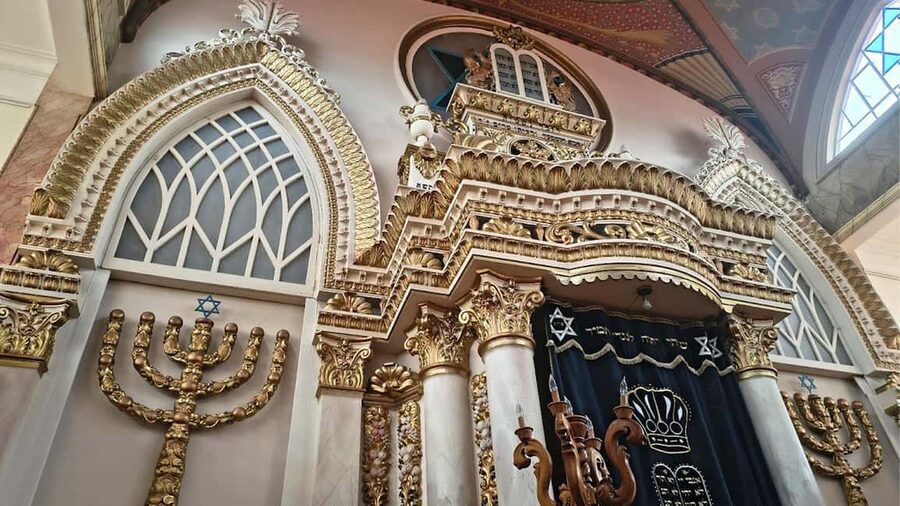
- Enter one of the oldest synagogues: The walk includes a guided visit to a historic synagogue near Loreto Park.
- See power from several angles: The route passes the Metropolitan Cathedral, Central Customs House area, former College of San Ildefonso, and Palace of the Inquisition.
- Meet in a precise spot: Look for the white building marked number 15 and the full Librería Porrúa sign, across Justo Sierra Street from the northern Aztec Temple bridge.
- Best for adults who enjoy serious history: The tour is in English, is not designed for children under 18, and is not suitable for wheelchair users or people with mobility impairments.
Starting beside the Great Aztec Temple
The tour starts at República de Argentina 15, outside a white building across Justo Sierra Street from the northern entrance to the Aztec Great Temple bridge. The entrance is marked number 15, with the tallest sign reading Librería Porrúa in full.
This detail matters. The meeting point is not inside the bookstore, not on the corner, and not at another door. Mexico City’s historic center has plenty of noise, foot traffic, and similar-looking entrances, so arrive with the address and sign in hand.
The first 45 minutes take place at Patio Norte. Rather than rushing straight into a walk, the guide gives you a sitting-down introduction while you look toward some of the city’s major historic sites. The setting brings several layers together: the Great Aztec Temple, the Historical Synagogue, the Catholic Cathedral, and a Protestant church are all part of the opening context.
I like this start because it gives you a map in your head before the facts begin to pile up. You’ll hear about the founding of Mexico roughly 700 years ago, then move toward the arrival of Jews in 1519. The story includes survival during the Spanish Inquisition and the tragic fate of people condemned to the stake.
This is not a light introduction. The tour deals with persecution, religious control, and the dangers faced by Jewish people in colonial Mexico. Still, the guide’s job here is useful: he connects the personal cost of persecution with the institutions and economy that shaped the city.
Other city tours we've reviewed in Mexico City

The Cathedral and Mexico City’s overlapping faiths
The Metropolitan Cathedral of Mexico is scheduled for 45 minutes. Even if you have seen the building before, this stop gains meaning when placed beside the tour’s wider theme. Catholic authority was not just a background feature in colonial Mexico. It formed part of the system that judged religious belief, controlled public life, and helped define who could safely live and work in the Spanish Empire.
The opening area also gives you a rare chance to think about religious change in physical terms. A Jewish site, a Catholic cathedral, and a Protestant church appear within the same central zone. The tour uses that contrast to show how Mexico changed from a colony with strict religious control into a more secular country open to new arrivals.
Allow time for the Cathedral visit without expecting a purely Jewish-history stop. This is one of the places where the tour broadens its lens. You are looking at the political and religious setting that Jewish communities had to navigate, not at a museum devoted only to Jewish life.
The route also includes the former College of San Ildefonso for about 30 minutes. The college helps fill out the story of education, institutions, and colonial power. It is another reminder that this is a city-history walk as much as a community tour. If you want only synagogue architecture and Jewish ritual, parts of the route may feel indirect. If you want to understand the forces around the community, the stop earns its place.
From Spanish imperial power to a secular Mexico

The route moves through sites tied to the economic and political reach of New Spain. In front of the Central Customs House and the Palace of the Inquisition, you’ll learn how Mexico City became an economic center of the Spanish Empire, which ruled territories in Asia, North America, and the Caribbean.
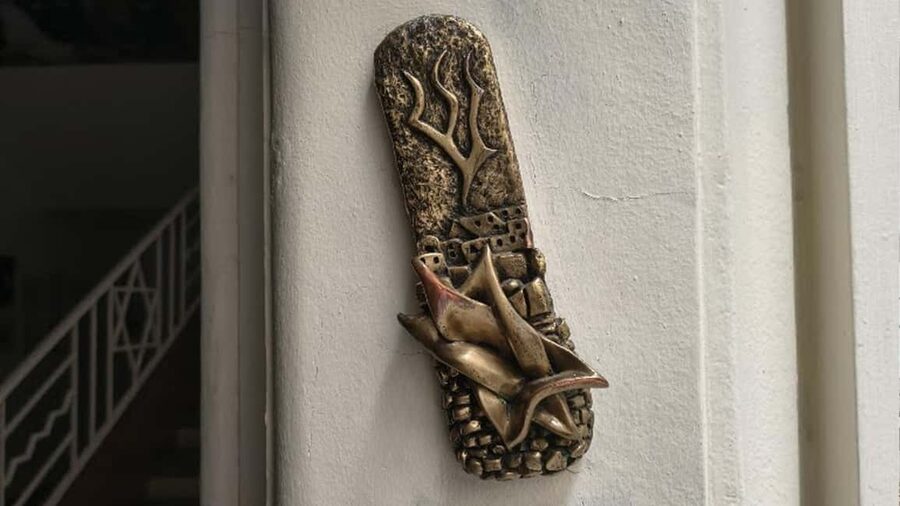
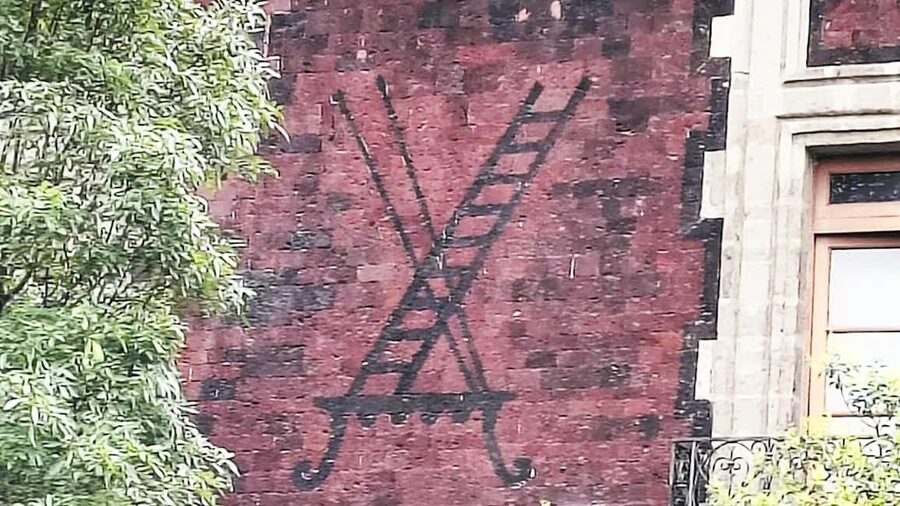
That setting helps explain why Jewish merchants and trading families faced particular pressure. The tour discusses persecution aimed mainly at Jewish people involved in trade, along with the hidden messages at the Palace of the Inquisition that point to the long campaign against Jews.
The former Palace of the Inquisition receives about 45 minutes. This is one of the tour’s most serious stops, and the material may be disturbing. You are not simply looking at an old building. You are examining how religious authority and economic suspicion could combine to threaten an entire group.
The tour then turns toward the Laws and Civil War of the Reformation. These changes helped transform Mexico into a secular state. That shift matters because it opened the country to new immigrants, including Jewish people who could build lives in Mexico under very different conditions from those faced during the colonial period.
I appreciate this part of the route because it avoids treating immigration as a single event. Political change created the conditions for later arrivals, but it did not erase the earlier suffering. The tour keeps those periods linked without pretending they were the same.
You’ll also hear about anti-Fascist resistance in Mexico and the successful effort to cancel the first anti-Semitic convention. This adds a political chapter that many general city tours leave out. It shows that Mexico’s Jewish story includes not only arrival and survival, but also organized resistance to anti-Semitism.
Loreto Park and the second wave of Jewish arrivals
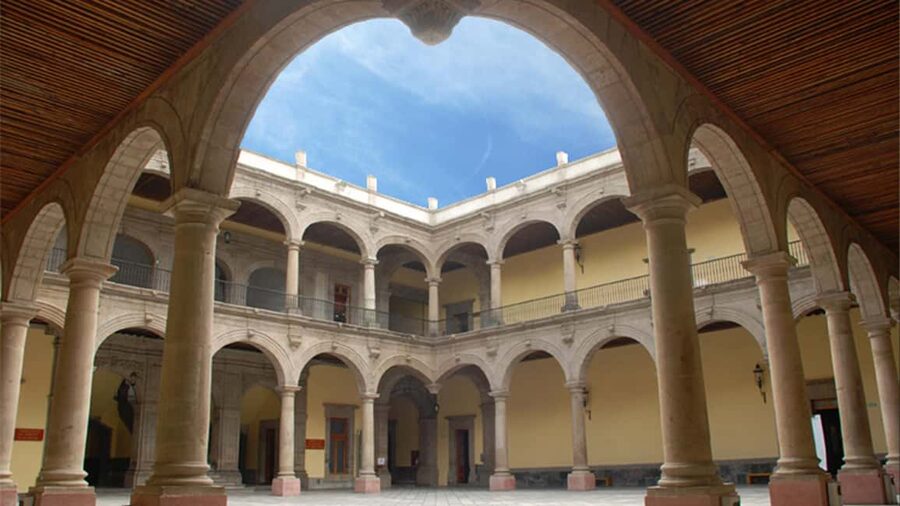
The most direct Jewish-community section comes around Loreto Park. At the end of the 19th century, the area became home to a second wave of Jewish immigrants from Eastern Europe and the Ottoman Empire. It also received people who had not been accepted at Ellis Island.
This detail gives the tour a useful connection to immigration history beyond Mexico. You’ll see how Jewish movement across borders was shaped not only by hope and opportunity, but also by exclusion in other countries.
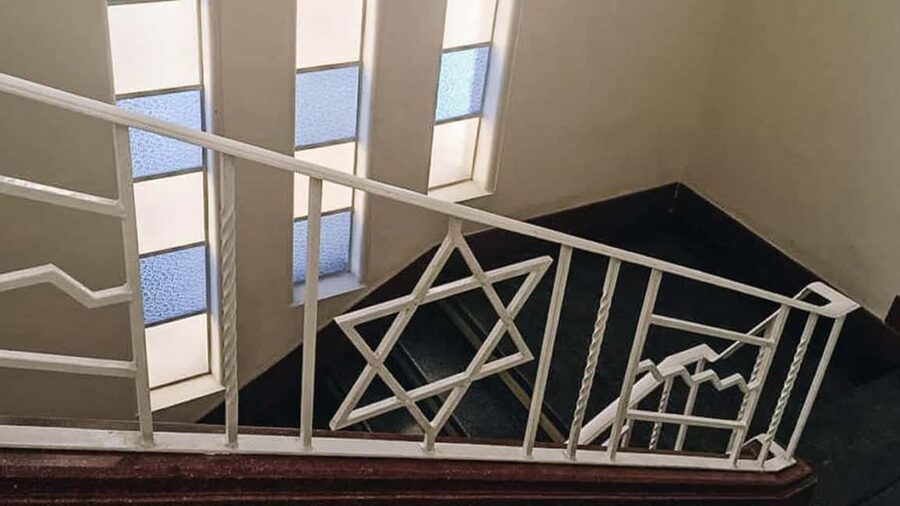
The walk includes two of the oldest synagogues in the area and a guided visit to one of them. This is likely the emotional center of the experience. You are no longer hearing only about community life from a plaza or government building. You are entering a place connected to worship and neighborhood history.
The synagogue visit lasts about 45 minutes. Since access is included only for open private or public locations that do not require reservations or tickets, the exact interior access can depend on what is open. The scheduled visit is an important part of the experience, but you should understand that historic religious buildings can have access limits.
The neighborhood story is also practical. The tour explains how Jewish immigrants moved from work as tailors and seamstresses into the textile and jewelry industries. Jewish capital later helped establish Mexico’s financial system. That progression gives you a better sense of how a small immigrant community shaped the economy without reducing its story to money alone.
The 20th-century community and wartime rescue
The final historical chapters focus on the flourishing of Mexico City’s Jewish community during the 20th century. By this point, the tour has moved from persecution and restricted colonial life to immigration, work, institutions, and community growth.
You’ll also learn about Mexico’s rescue of Jews during World War II. This is an important part of the route because it places Mexico within the wider wartime story. The tour does not present the country only as a passive destination for immigrants. It shows Mexico taking action to help Jews during a period of extreme danger.
The route ends at Justo Sierra 71 after the Palace of the Inquisition area. The ending also addresses the 1970s, when Jewish families left these older central neighborhoods for more affluent parts of Mexico City. That migration explains why historic synagogues can remain in places where much of the Jewish population no longer lives.
I find this ending especially useful. It keeps the old synagogues from becoming frozen museum pieces. Their decline in daily use reflects wider changes in income, housing, and urban geography. The Jewish community did not disappear. It moved.



What Carlos adds to the experience
The guide is listed as an English-speaking host and expert, and Carlos is the name most closely associated with the experience. Strong praise focuses on his command of both Jewish and world history, his careful use of proven facts, and his willingness to answer questions.
That style suits this tour. The subject covers 500 years, three waves of arrival, religious persecution, immigration, industry, finance, war, and urban change. You need a guide who can keep the chronology clear rather than simply reciting dates.
One especially useful quality is the connection between Jewish history and larger world events. The tour links Mexico City with the Spanish Empire, Eastern Europe, the Ottoman Empire, Ellis Island, anti-Fascist politics, and World War II. That wider frame helps you understand why people arrived and what they faced after settling.
The experience is not a scripted attraction with entertainment layered over history. Expect a serious walking lesson, with time for questions. That can be a major plus if you enjoy historical detail. It can also feel dense if you prefer a relaxed introduction with only a few headline facts.
Is $89 a fair price?
At $89 per person, this is more expensive than a basic city walking tour. The value rests on the specialist subject, the 3.5-hour length, the live English guide, and the synagogue visit.
You are paying for a focused explanation of Jewish life in Mexico City rather than a general tour of the historic center. The route also covers major landmarks that you might otherwise see without understanding their connection to religious law, migration, commerce, and political change.
The price makes the most sense if you have a strong interest in Jewish history, immigration, religious freedom, or Mexico City’s colonial and modern development. It is less convincing if you want a quick overview of the center or plan to visit only the Cathedral and Aztec Temple area.
Entrance is included for open private or public locations mentioned in the experience when they do not require reservations or tickets. The value therefore depends partly on access on the day. The guide and interpretation remain the main reason to book.
Free cancellation is available up to 24 hours before the start, and you can reserve now while paying later. Those terms help if your Mexico City schedule is still changing. One serious booking report describes a guide failing to appear and not answering the phone. That appears to be an exception among the available feedback, but it is sensible to keep the exact meeting details and confirm the appointment.
Walking conditions and who should book
Bring comfortable shoes, a sun hat, and sunscreen. The tour moves through central Mexico City and includes several historic buildings, so you should be ready for a substantial amount of walking and standing.
The experience is not suitable for people with mobility impairments or wheelchair users. Mobility scooters are also not allowed. Sandals and flip-flops are prohibited, so choose closed, comfortable footwear.
Children under 18 are not accepted. The content is serious, and the pace is better suited to adults who can follow a long historical discussion. Food and drinks, drones, pets except assistance dogs, vaping, bicycles, skateboards, skates, weapons, and sharp objects are not allowed. Flash photography is also prohibited.
The tour is offered in English only. If you want to ask detailed questions about names, dates, immigration, or the synagogue community, an English-speaking format gives you the best chance to get full answers.
Should you book Mexico City: Jewish Presence?
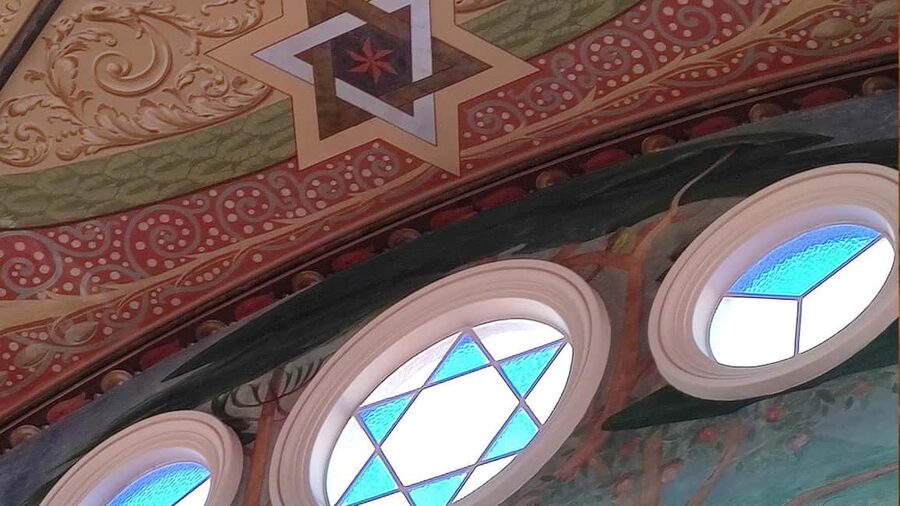
Book this tour if you want a focused, adult history walk that connects Jewish life with Mexico City’s colonial institutions, immigrant neighborhoods, economy, and wartime choices. The strongest reason to go is the combination of Carlos’s detailed teaching and the visit to an old synagogue near Loreto Park.
You should skip it if you want a short, easy sightseeing loop, have difficulty walking or standing, or prefer a tour built for children. The material is dense and sometimes grim, but it also explains how a Jewish community survived, grew, built industries, resisted anti-Semitism, and later moved to other parts of the city.
For the right visitor, $89 buys more than landmark photographs. It gives you a way to read Mexico City’s center through five centuries of Jewish arrival, pressure, work, faith, and change.
FAQ
How long does Mexico City: Jewish Presence last?
The experience lasts 3.5 hours.
What language is the tour offered in?
The tour is conducted in English with a live guide.
Where does the tour begin?
Meet outside the white building at República de Argentina 15, across Justo Sierra Street from the northern entrance to the Aztec Great Temple bridge. Look for the main door marked number 15 and the full Librería Porrúa sign above it.
Where does the tour finish?
The tour finishes at Justo Sierra 71.
Does the experience include a synagogue visit?
Yes. You’ll see two of the oldest synagogues near Loreto Park and take a guided visit inside one of them.
Is admission included?
Entrance is included for open private or public locations mentioned in the experience when they do not require reservations or tickets.
Is the tour suitable for children?
No. Children under 18 are not accepted.
Is the experience wheelchair accessible?
No. It is not suitable for wheelchair users, people with mobility impairments, or mobility scooters.
What should I bring?
Bring comfortable shoes, a sun hat, and sunscreen. Sandals and flip-flops are not allowed.
More City Tours in Mexico City


More tours in Mexico City we've reviewed





City Tours, compared.
 ★ 4.6Mexico City: Teotihuacan, Tlatelolco & Guadalupe Shrine TourFrom $49
 ★ 5.0Teotihuacan Hot Air Balloon Flight from Mexico City / VolareFrom $1553 to 9 hours (approx.)
 ★ 5.0Teotihuacan Private Tour from Mexico CityFrom $1401 to 5 hours (approx.)
 ★ 5.0Historic Center Food Tour in Mexico CityFrom $1155 hours (approx.)
 ★ 5.0The best tour to Teotihuacán from Mexico CityFrom $506 to 7 hours (approx.)
 ★ 4.3From Mexico City: Puebla, Cholula and Tonantzintla Day TripFrom $89
 ★ 4.0Mexico City: Hop-on Hop-off Bus TourFrom $211 - 2 days
 ★ 4.8Mexico City: Historic Downtown Walking TourFrom $263 hours