
Reviewed · COOKING CLASSES
Mexico City: Mexican Salsas Cooking Class and Market Tour
The real treat here is not simply learning to make salsa. It is seeing how Mexican ingredients move from Mercado de Medellín to your plate, from native corn and dried chiles to cacao, cactus, fruit, and even edible insects. I like the market tasting and the chance to make ten different salsas, each using a separate method and heat level. The small group, capped at seven, also gives the chef room to adjust the recipes to your taste.
In This Article
- Key points at a glance
- Starting in Roma Norte with agua fresca
- Walking to Mercado de Medellín
- Cacao, insects, fruit, and ice cream
- Ten salsas, ten different approaches
- Tacos turn the lesson into lunch
- What the small group changes
- Is $186 a fair price?
- Practical details before you book
- Who should book this salsa class?
- Should you book Aura Cocina Mexicana?
- FAQ
- How long does the Mexican salsas cooking class and market tour last?
- Where does the experience meet?
- How many people are in the cooking class?
- Which languages are available?
- Are lunch, beer, and mezcal included?
- Is the class suitable for children or people with nut allergies?
I also like that lunch is part of the lesson, not an afterthought. You pair the sauces with tacos and small dishes, then take home printed recipes. The main drawback is the price: at $186 per person, this is a serious half-day splurge, and people with nut allergies, mobility impairments, or children under 12 will need to choose another activity.
Key points at a glance
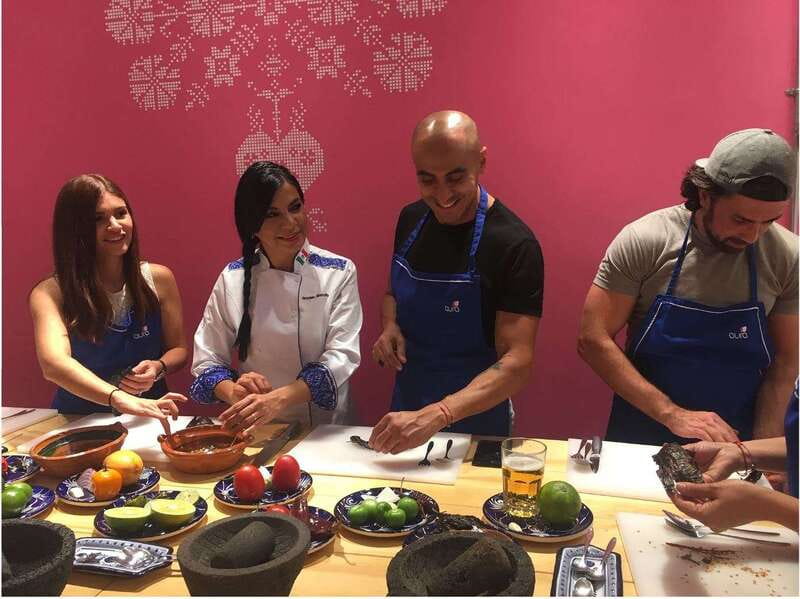
- Taste the market before cooking: Visit Mercado de Medellín for quesadillas, cacao, chocolate, native fruit, ice cream, and unusual snacks.
- Make ten distinct salsas: Roast, fry, cook, or prepare them raw, from guacamole and green sauce to habanero and salsa borracha.
- Set your own heat level: Chef Pame is noted for adjusting spice, which matters if your table includes both chile lovers and cautious eaters.
- Eat a full Mexican lunch: Try the sauces with tacos, quesadillas, beans, eggs, mushrooms, cactus, cochinita pibil, and other fillings.
- Stay in an intimate class: The maximum group size is seven, with instruction in English or Spanish.
- Leave with useful tools: Ingredients, lunch, beer, mezcal, an apron, and printed recipes are included.
Starting in Roma Norte with agua fresca
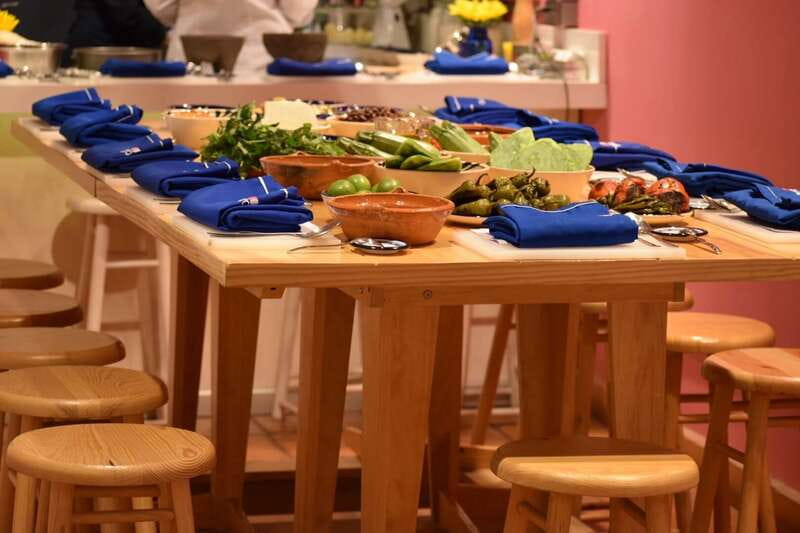
You meet at Aura Cocina Mexicana, a family-run cooking school with a blue storefront at Medellín 191A. Look for the building on Medellín Street between Chiapas and Tapachula streets. The house numbers do not rise in neat order, so the blue shopfront matters more than the number.
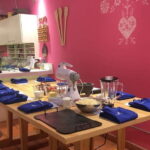
The class begins in a modern studio in Roma Norte. You are welcomed with agua fresca, a fruity non-alcoholic drink that gets the session moving without turning breakfast into a cocktail hour. Coffee made from selected Mexican beans or a special infusion is also available while the chef introduces the background of Mexican cooking.
This opening talk gives the class some needed context. Salsa is not one fixed recipe, and Mexican cooking is not just a contest to see who can tolerate the most chile. Different chiles, roasting methods, seeds, nuts, fruit, herbs, and cooking fats create very different results.
The instructors listed for the experience speak English and Spanish. Past sessions have included chefs and guides such as Pame, Lorena, and Krystel. If your chef is Pame, expect plenty of attention to chile varieties and spice control. Lorena is also singled out for guiding the group through the full process from snack to market to lunch.
Other cooking classes in Mexico City


Walking to Mercado de Medellín
The market visit turns the class into more than a kitchen lesson. Mercado de Medellín is in the Roma area, and you walk through its halls with the chef rather than simply being pointed toward a few stalls.
I like this order. You taste ingredients in their everyday setting first, then return to the studio and use related flavors in a dish. That makes the lesson easier to remember. When you later see a dried chile or a stack of tortillas, you have already smelled and tasted the ingredient.
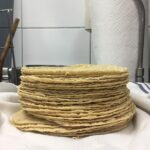
The market stop includes an organic tortillería where you can eat quesadillas made from native corn. You also see the traditional nixtamalization process, the preparation that treats corn before it is ground into masa. This is one of the most useful parts of the outing because it connects the tortilla on your plate with a specific food tradition and technique.
At the chile stand, the chef explains the differences among chile varieties. You do not need to memorize every name to benefit. The point is to learn that chile brings more than heat. A sauce can gain smoke, fruitiness, earthiness, sharpness, or a slow burn depending on the chile used.
Cacao, insects, fruit, and ice cream
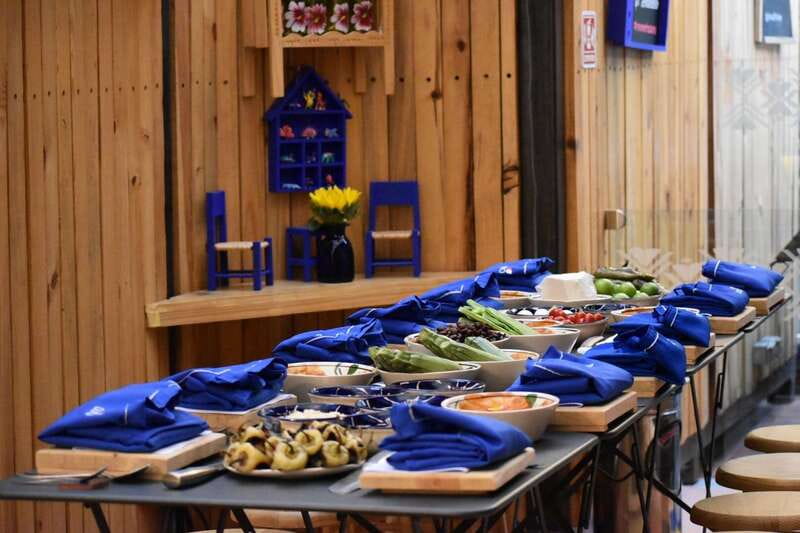
The market tastings are broad enough to keep the walk lively. You sample 100 percent raw cacao and handmade artisanal chocolate from Oaxaca, then move into less familiar territory with crickets, chicatana flying ants, and chinicuil worms.
The insect tasting is optional in spirit, even if it is part of the offered food experience. You can look, taste, or pass. It is included to show the range of Mexican ingredients, not to force a stunt for the sake of it.
Seasonal native fruits include mamey, chicozapote, and tuna. The names may be new to you, and the flavors give you a useful break from the chiles. A stop for hand-crafted ice cream adds another sweet note before the class returns to the kitchen.
This is also where the experience feels most connected to ordinary food shopping. You are not just looking at a museum display. You are tasting things sold in a working market and hearing how they fit into Mexican cooking.
Ten salsas, ten different approaches
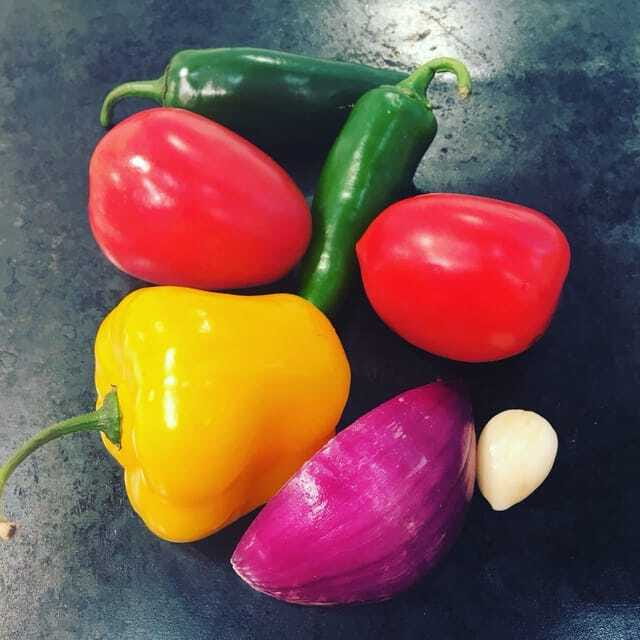
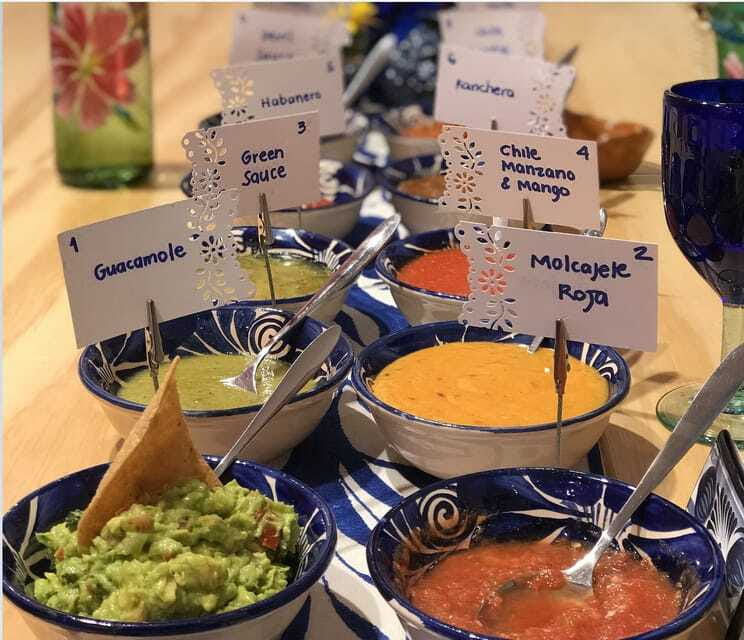
Back at the studio, the hands-on class begins. You prepare ten salsas, using several cooking methods rather than putting everything into a blender and calling it done.
The lineup includes:
- Traditional guacamole
- Red molcajete sauce
- Green sauce
- Ranchera sauce
- Mango and chile manzano sauce
- Habanero sauce
- Devil’s sauce
- Chile morita with nuts sauce
- Chipotle sauce
- Salsa borracha, or drunken sauce
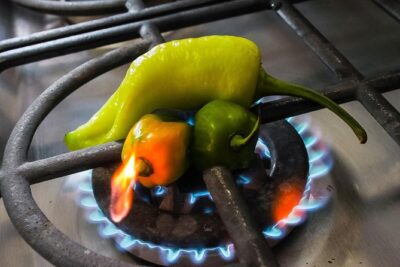
The variety is the main educational strength. Some salsas are roasted, some cooked, some fried, and some raw. You see how heat changes the flavor of ingredients, how texture affects a sauce, and how fruit can work beside a hot chile.
The class also allows different spice levels. That is a major practical advantage for couples or friends who do not eat the same way. A habanero sauce can be a problem if the recipe assumes everyone wants maximum heat. Here, the chef can adjust the sauces to suit the group.
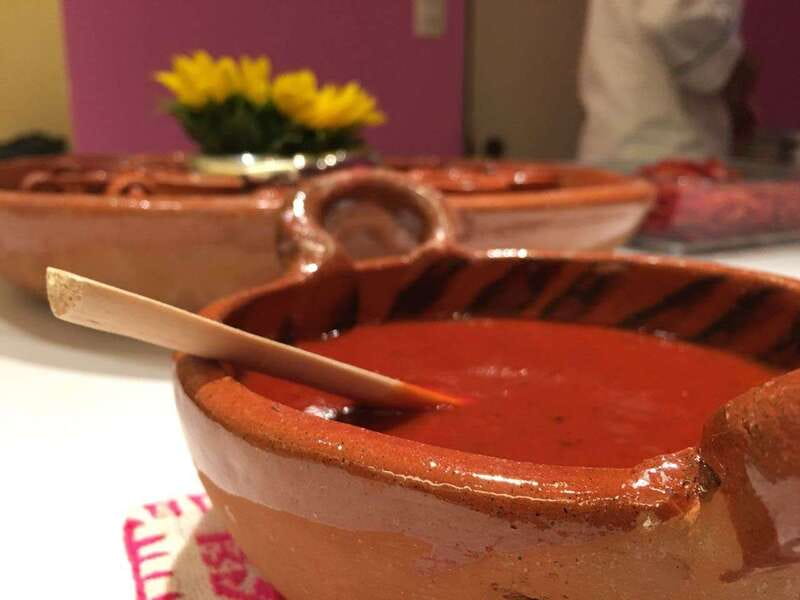
Pay attention to the red molcajete sauce. The name points to the traditional stone mortar used in Mexican kitchens, and it offers a different texture from a perfectly smooth blended sauce. The raw and roasted versions also show why preparation matters as much as the ingredient list.
Salsa borracha brings another type of flavor, while the chile morita sauce uses nuts. That combination adds depth but is also the reason this experience is not suitable for people with nut allergies. Ask about the ingredients before booking if food sensitivities are a concern.
Tacos turn the lesson into lunch
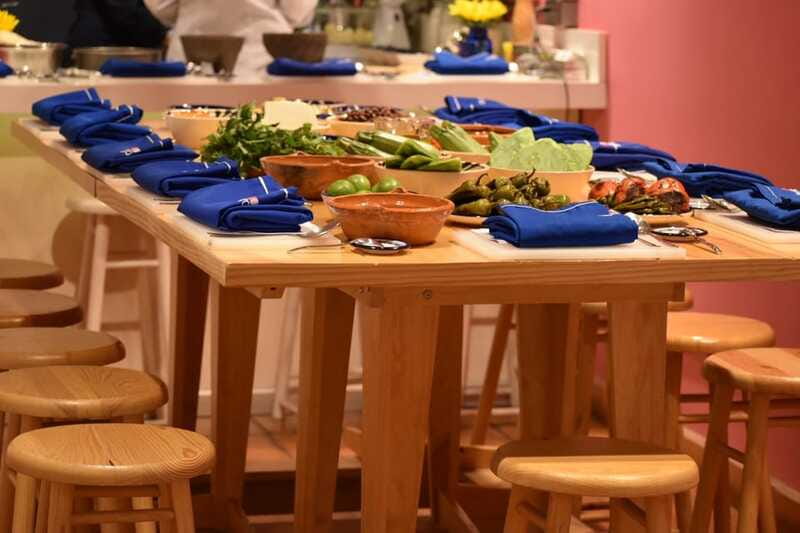
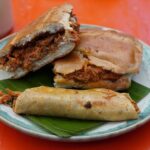
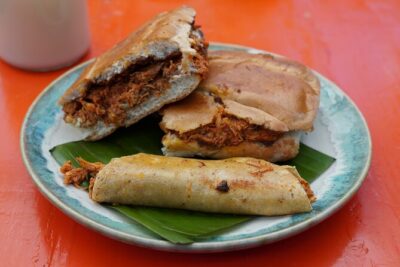
Once the sauces are ready, you sit down to eat them with tacos and appetizers. The fillings include cochinita pibil, cecina, roasted potatoes, scrambled eggs, sautéed mushrooms, cactus leaves, zucchini, fried beans, and quesadillas.
This is better than sampling each sauce with a spoon and stopping there. You learn which sauces work with meat, eggs, beans, vegetables, and cheese. You also get a proper meal after several hours of walking, tasting, and cooking.
The menu has enough range for different appetites. Cochinita pibil brings a rich, seasoned filling, while mushrooms, cactus, zucchini, and beans give plant-based options. The exact balance of fillings is not specified, so you should not book expecting a custom dietary menu.
Drinks include agua fresca, Mexican craft beer, and artisanal mezcal. Beer and mezcal are included, but this is not an open-ended drinking event. The focus remains on the food and the sauces, with drinks used to complete the meal.
The family-meal setup is part of the appeal. You can compare your sauce choices with the rest of the table and see how a small change in chile or texture affects the final bite.
Other city tours we've reviewed in Mexico City


What the small group changes
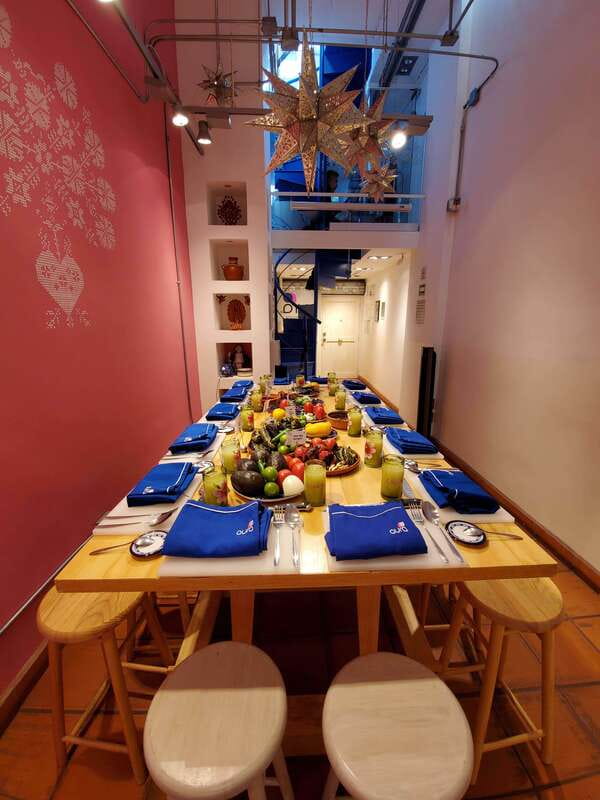
The class is limited to seven participants. That number matters in a cooking lesson because you need to see, taste, ask questions, and handle ingredients without waiting behind a large crowd.
A small group also makes it easier to talk about spice preferences. Chef Pame, in particular, is praised for asking about individual heat tolerance and adapting sauces accordingly. That personal adjustment is more useful than a fixed demonstration where everyone receives the same portion.
The group size does not mean private instruction. You are still sharing the market walk, kitchen, and meal with other people. If you want a one-to-one cooking session, this is not presented as a private class.
The atmosphere is described as friendly and full of humor, with kitchen staff helping during the class. That is good news if you enjoy a social activity rather than a silent technical workshop. You should still expect some standing, walking, chopping, tasting, and movement around the kitchen.
Is $186 a fair price?
At $186, this is expensive compared with a simple market tour or a short cooking demonstration. The four-and-a-half-hour schedule helps explain the cost, but the stronger value comes from the package.
You receive a chef guide, a market tour, all cooking ingredients, lunch, beer and mezcal, an apron for the class, and printed recipes. You are paying for several linked experiences rather than one meal. The market tastings alone include quesadillas, cacao, chocolate, insects, fruit, and ice cream.
The recipes also give the class some lasting value. If you use them at home, the experience becomes more than a one-day food memory. You can work through the ten sauces again and adjust them to your own spice level.
Still, do not book this expecting a budget food walk. The price makes the most sense if you want an active class, a market visit, a full meal, and drinks in one compact morning or afternoon. If your main goal is simply to eat tacos in Roma Norte, spend less elsewhere.
Practical details before you book
Plan on comfortable shoes and comfortable clothing. You will walk through the market, stand during food preparation, and spend time moving around the studio.
An apron is provided, so you do not need to bring one. You should still wear clothes that can handle a stray splash of salsa or cooking liquid.
The meeting point is not a hotel. Pickup and drop-off are not included, so arrange your own way to Medellín Street. Check the available starting times when booking because the schedule can vary.
The experience offers free cancellation up to 24 hours before the start time. You can also reserve and pay later, which helps if your Mexico City plans are still shifting.
The activity is not suitable for children under 12, people with nut allergies, or people with mobility impairments. The market walk and kitchen work make those restrictions important, not minor footnotes.
Who should book this salsa class?
I would recommend it to food-focused visitors who want to understand Mexican cooking through ingredients and technique. It is especially good for people who like to taste unfamiliar foods, ask questions, and take an active role in preparing lunch.
It also suits couples and friends with different spice tolerances because the chef can adjust the heat. English and Spanish instruction makes the session accessible to a mixed-language group.
You may want to skip it if you dislike chiles, cannot eat nuts, have difficulty walking or standing, or prefer a quiet restaurant meal. The insect tasting is another consideration, though you can decide how adventurous to be.
Should you book Aura Cocina Mexicana?
Book this experience if you want a full food lesson rather than a quick cooking photo opportunity. The best parts are the connection between Mercado de Medellín and the studio, the ten separate salsa techniques, the small group, and the chance to eat the finished sauces with a wide range of taco fillings.
The $186 price is fair only if you value all those parts. For me, the printed recipes and adjustable spice levels make it more useful than a demonstration alone, while lunch, mezcal, and beer keep the four-and-a-half-hour session from feeling like school.
Skip it if the restrictions fit you or if you are looking for a cheaper introduction to Mexican food. For everyone else, this is a lively, hands-on way to leave Mexico City with better salsa skills and a clearer sense of how local ingredients shape the meal.
FAQ
How long does the Mexican salsas cooking class and market tour last?
The experience lasts 4.5 hours.
Where does the experience meet?
Meet at Aura Cocina Mexicana at Medellín 191A, on Medellín Street between Chiapas Street and Tapachula Street. Look for the blue storefront because the house numbers do not ascend in order.
How many people are in the cooking class?
The group is limited to seven participants.
Which languages are available?
The instructor can teach in English or Spanish.
Are lunch, beer, and mezcal included?
Yes. Lunch, Mexican craft beer, and artisanal mezcal are included, along with agua fresca.
Is the class suitable for children or people with nut allergies?
No. The activity is not suitable for children under 12 or people with nut allergies. It is also not suitable for people with mobility impairments.
More Shopping Tours in Mexico City

More City Tours in Mexico City
More Cooking Classes in Mexico City
More tours in Mexico City we've reviewed





Cooking Classes, compared.
 ★ 5.0Mexican Cooking Class with Food Market Visit in Mexico CityFrom $1243 hours 30 minutes (approx.)
 ★ 5.0Essence of Mexico: Authentic Mexican Cooking Class & Market TourFrom $1784 hours 30 minutes (approx.)
 ★ 5.0Mexican Cooking Class & Cocktails in Mexico CityFrom $1323 hours 30 minutes (approx.)
 ★ 5.0Private Mexican Cooking Class with Gastronomic Historian, LuciaFrom $1453 hours (approx.)
 ★ 4.8Mexico City: Mexican Cooking ClassFrom $1213 hours
 ★ 5.0México City: Street Food to Home Cooking Food TourFrom $1104 hours
 ★ 5.03h Cooking Class in Mexico City: 8 Recipes & Bottomless DrinksFrom $1104 hours (approx.)
 ★ 5.0Private San Angel Tour & Cooking Class in Mexico City with LuciaFrom $1555 hours (approx.)
The lists this tour appears in