

Reviewed · CITY TOURS
Mexico City: Monarch Butterflies, Sierra Chincua & Angangueo
Thousands of monarch butterflies gather high in Michoacán’s Sierra Chincua from November through March, creating one of Mexico’s most striking natural spectacles. I like the chance to see the colony in a protected forest and then walk the cobbled streets of Angangueo, a former mining town with mountain views. The main drawback is the distance: this can be a 12-hour day, and recent departures have stretched to 14 hours when roads, navigation, or timing went poorly.
In This Article
- Key points to know before booking
- Why the monarchs gather in Sierra Chincua
- The long road from Mexico City
- Hiking above 11,000 feet
- Seeing the butterfly colony
- Angangueo after the forest
- What the $169 price covers
- Who should book this day trip
- Should you book the Sierra Chincua and Angangueo tour?
- FAQ
- When is the monarch butterfly season at Sierra Chincua?
- How long does the tour last?
- How far is the hike to the butterflies?
- How high does the trail go?
- Are horses available?
- Is lunch included?
- What is included in the tour price?
- Where is the meeting point?
- What languages are available?
- Can I cancel the tour?
I especially like that the tour combines nature with a real local town rather than ending at the sanctuary. I also like the flexibility of private or small-group departures and multilingual guides, including guides such as Andrés, who has been praised for explaining migration, conservation, and the local ecosystem. You should still confirm the exact sanctuary, meal arrangements, and included entrance fees before paying, since these details have caused confusion on some departures.
Key points to know before booking
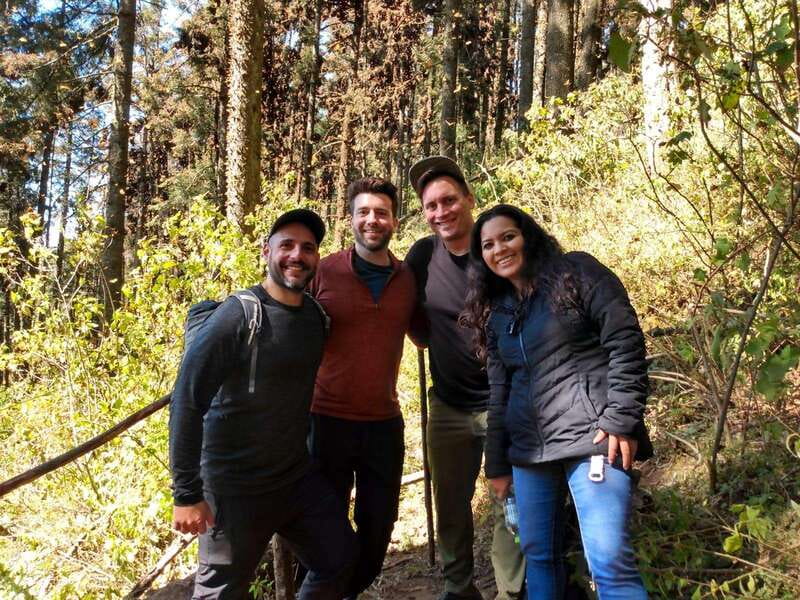
- The butterflies arrive only seasonally: Plan for November through March, with the strongest chance of large colonies from December through February.
- The hike is genuinely high-altitude: The trail rises from about 2,800 to 3,400 meters, or roughly 9,200 to 11,150 feet.
- Horses help, but only for part of the route: You can hire one locally at your own cost, but it usually covers about half the hike.
- Sierra Chincua is one of five official sanctuaries: The reserve protects the forest where monarchs spend the winter.
- Angangueo adds cultural value: Its cobbled streets, mining past, and Alpine-style mountain setting make the town more than a quick lunch stop.
- The road time is a serious part of the tour: A well-run day lasts about 12 hours, but delays can push your return much later.
Why the monarchs gather in Sierra Chincua
Every year, monarch butterflies migrate to the mountain forests of central Mexico. Sierra Chincua is one of five official sanctuaries within the Monarch Butterfly Biosphere Reserve, a protected area recognized by UNESCO.
The butterflies arrive during the cooler months and remain from roughly November to March. December through February is the most reliable period for seeing major concentrations, though nature does not follow a fixed timetable. The colony can shift within the forest as weather and seasonal conditions change.
That movement matters to your day. You are not walking to a permanent viewing platform beside a road. The guide must follow the colony’s current location, and the route can vary from about 1.2 to 3 kilometers. The hike may take one to two hours each way, depending on the butterfly location, trail conditions, and your pace.
When conditions are right, the reward is unusual and quiet rather than theatrical. Monarchs gather among the branches, and you may see them clustered in large groups or moving through the trees. The exact number and visibility depend on temperature, sun, wind, and the colony’s position.
This is a protected habitat, so the visit is not about chasing butterflies or handling them. The value lies in seeing the forest they use and understanding that the sanctuary is part of a much larger migration route.
Other city tours we've reviewed in Mexico City

The long road from Mexico City
The day begins with pickup from your Mexico City accommodation if you select that option. You can also meet the guide outside Hotel City Express Plus by Marriott near the Angel of Independence. Do not go inside the hotel to wait. Keep your phone available, since the guide may need to contact you on the day.
The drive takes you out through the Valley of Mexico and toward Michoacán. The total tour is advertised at 12 hours, but the journey is long enough that transportation will shape your experience. One difficult departure involved seven to eight hours on the road for a very short viewing period, while another returned close to 9 p.m. after delays.
That does not mean every departure will run this way. It does mean you should treat this as a full-day expedition, not a quick outing. Mountain roads can be slow, winding, and uncomfortable, especially in a van with limited legroom. If you are prone to motion sickness, carry the medication or supplies you normally use.
The guide and driver make a real difference. Andrés received particularly strong praise for communicating in both Spanish and English, adjusting plans when another sanctuary had better conditions, and explaining the butterflies and conservation work. That kind of flexibility is useful here because the best viewing area can change from year to year.
Still, a change of sanctuary should be explained clearly. Ask where you are going before departure and confirm what remains included if the route changes. A switch may improve the butterfly viewing, but poor navigation can also lead to extra road time, confusion, and a late return.
Hiking above 11,000 feet
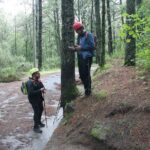
At Sierra Chincua, the main activity is the walk from the entrance area into the forest. The trail ascends from around 2,800 meters to as high as 3,400 meters. Even if you are comfortable walking at home, the altitude can make an uphill route feel much harder.
The elevation gain may range from about 220 to 800 meters, or approximately 720 to 2,620 feet. That is a wide range because the butterflies do not stay in one spot. A shorter route may be manageable, while a higher colony can require a demanding climb.
Bring comfortable walking shoes, layered clothing, sunglasses, sunscreen, and water. The supplied information specifically calls for comfortable clothes and shoes, and that advice is practical. The forest may feel cool, while the sun can be strong on exposed sections of trail.
A moderate level of fitness is generally needed. You do not need to be a serious hiker, but you should be able to walk uphill for one to two hours at high altitude. Take the pace seriously. The point is to reach the colony in good shape, not to race up the trail and spend your viewing time recovering.
Horses are available locally if you want help on the steeper sections. They cost extra, and they do not remove the hike altogether. The horses usually cover only about half of the route, so you still need to walk part of the way. Ask exactly where the horse ride ends before committing to it.
This is the most important practical detail in the entire tour. Some people have arrived expecting an easy nature walk, only to find a steep high-altitude trail. You should choose this excursion for the forest and the chance to see the colony, not if you need flat, short, or highly predictable walking.
Seeing the butterfly colony
The butterfly viewing is the emotional center of the day, but it may be shorter than you expect. The approach can take much longer than the time spent near the colony, particularly if the butterflies have moved higher into the forest.
The best conditions usually involve calm weather and some sun. Monarchs are more active when warmed, while cool conditions may leave them resting together in the trees. You may see large clusters overhead, individual butterflies moving through the forest, or a quieter colony that is harder to spot.
The setting adds much of the appeal. You are surrounded by high mountain forest, clean air, and broad views on the route. The experience is not only about a close look at an insect. It is about reaching a remote winter habitat and seeing how local communities protect a site visited by butterflies from across North America.
A good guide should explain the migration, the forest ecosystem, and conservation challenges without drowning out the experience. Andrés is specifically praised for covering those subjects and for communicating easily in English and Spanish. Guides may also be available in French, Italian, and German, depending on the departure.
Keep your expectations flexible. The tour description refers to a natural show performed by thousands of butterflies, but wildlife conditions vary. The colony’s position, the weather, and the timing of your visit all affect what you see. A guide who can adjust the sanctuary choice when conditions demand it is an advantage, provided the change is handled openly.
Angangueo after the forest

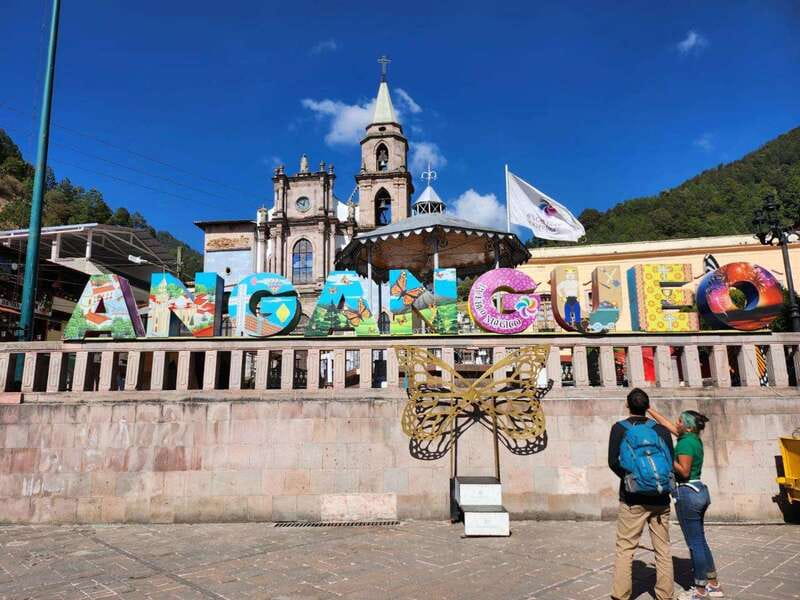
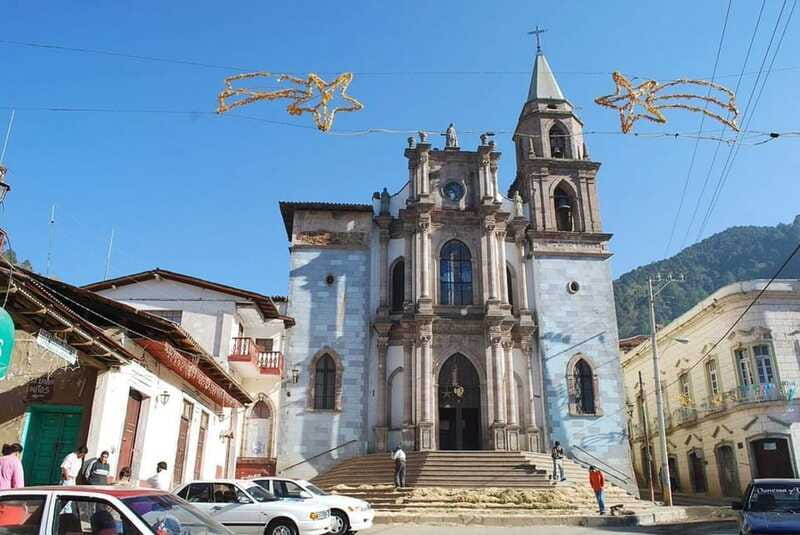
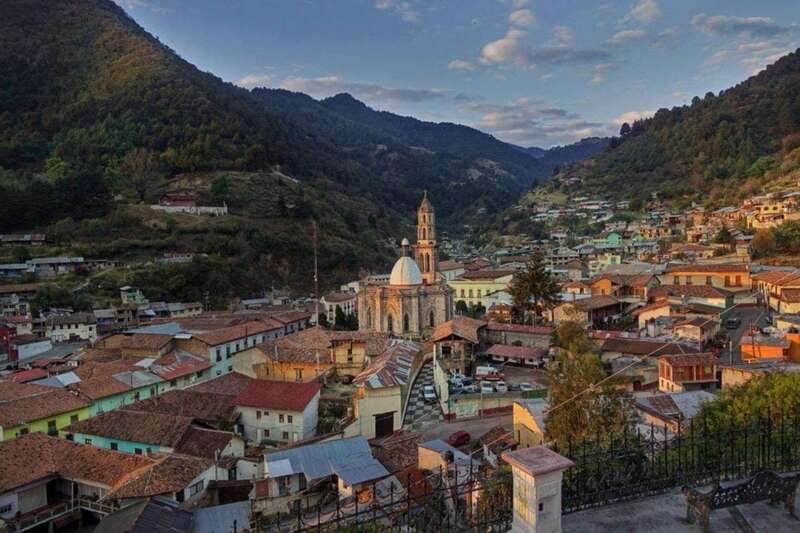
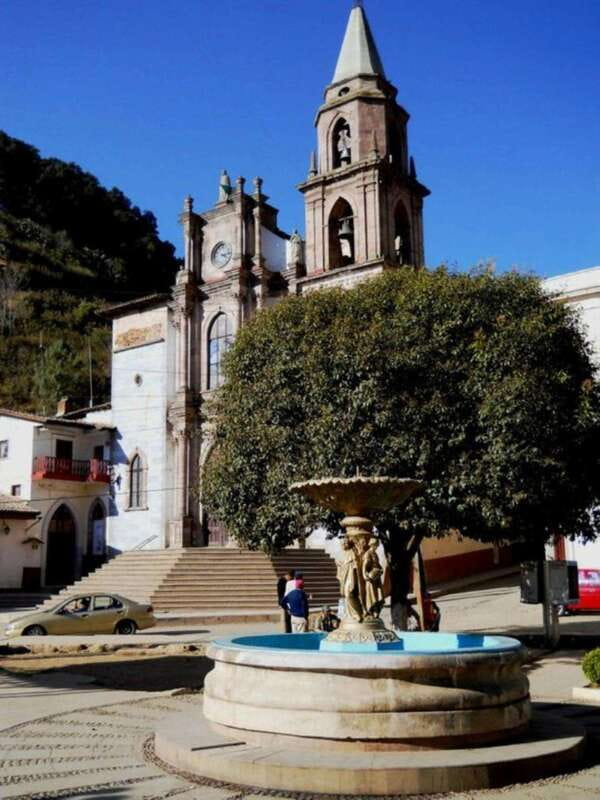
After the sanctuary, the tour continues to Angangueo, known as the capital of the Monarch Butterfly Reserve. This gives the day a useful second half. You are not simply returning to Mexico City after a forest stop.
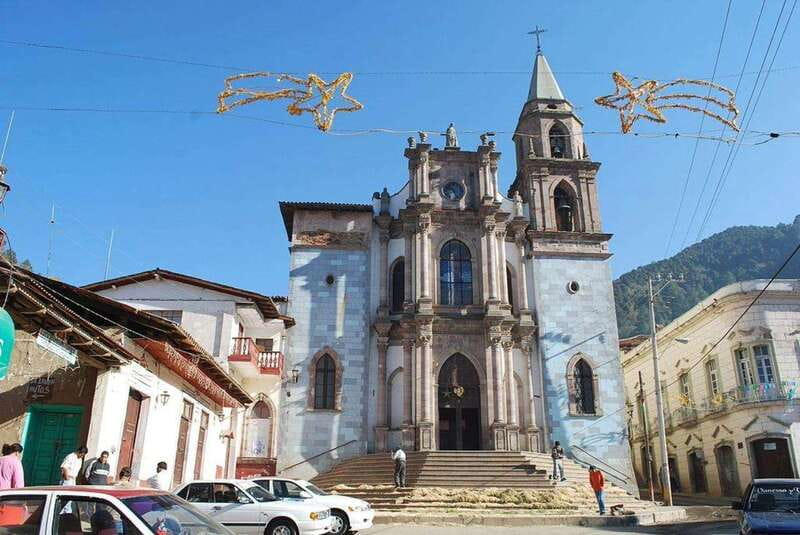
Angangueo is a mountain town with cobbled streets and Alpine-style views. It also grew as one of the region’s important mining towns, so the town visit connects the butterfly reserve with the people and industries that shaped the area.
Expect about three hours for sightseeing, a guided walk, shopping, and time in town, plus about an hour set aside for lunch. The lunch is described as optional, and personal expenses are not included. Bring enough Mexican pesos, since some local shops and food stops may not accept cards, U.S. dollars, or English-language requests.
The town walk is a good place to slow down after the uphill route. You can look at the streets, enjoy the mountain setting, and browse local goods without the pressure of a timed museum circuit. A museum visit has been mentioned in some descriptions, but it was not always provided, so confirm this if it matters to you.
Angangueo is also where the tour feels most connected to local life. The sanctuary is a major seasonal attraction, but the town is not simply a service stop built for one day’s sightseeing. Its mining past and its role near the reserve give the visit more substance.
The tradeoff is timing. If the morning runs late, lunch may happen much later than planned. One departure did not eat until about 5 p.m. That is another reason to carry a snack, even if you plan to buy lunch in town.



What the $169 price covers
At $169 per person, the tour is not a budget outing, but the price can make sense if you value door-to-door transport from Mexico City and do not want to arrange a long regional journey yourself. The package includes a local guide, transportation, hotel pickup and drop-off when selected, and entry fees according to the stated inclusions.
The value is strongest for a first-time visitor who wants the sanctuary and Angangueo in one day. You avoid figuring out the route, locating the reserve, arranging a guide at the forest, and finding your way back after a high-altitude hike.
The price is less attractive if you expect a relaxed schedule, a guaranteed long viewing period, or a included meal. Lunch is not included among the stated inclusions, and personal expenses are your responsibility. Because some departures have involved disputes over entrance fees and meals, confirm those points in writing before travel.
Private and small-group options can improve the day. A smaller group makes it easier to hear the guide in the vehicle, keep a reasonable walking pace, and ask questions. It may also give the guide more room to respond to weather or sanctuary conditions. The exact group size and supplement depend on the option you choose.
Free cancellation is available up to 24 hours before departure, and you can reserve now and pay later. If you are booking less than 48 hours ahead, contact the organizer first to confirm availability. That extra step is worthwhile during the short butterfly season.
Who should book this day trip
I would recommend it to you if seeing monarchs in their winter forest is a top priority and you are willing to spend much of the day on the road. It suits visitors who want a guide, included transport, and a second stop with local character.
It is also a good fit if you enjoy active sightseeing. The hike is not extreme for everyone, but the altitude and uphill sections are real. You should be comfortable with a moderate physical challenge and prepared for changing weather.
I would hesitate if you have limited mobility, strong motion sickness, or only one free day in Mexico City that must end at a predictable hour. The return can be late, and the route may change. You should also think twice if your main goal is a long, leisurely walk around Angangueo, since the butterfly sanctuary is the reason for the long journey.
For the best chance of a good day, book between December and February, wear proper shoes, bring food and pesos, and ask four questions before departure: Which sanctuary are we visiting? Is the entrance fee included? Is lunch included? How long is the expected hike?
Should you book the Sierra Chincua and Angangueo tour?
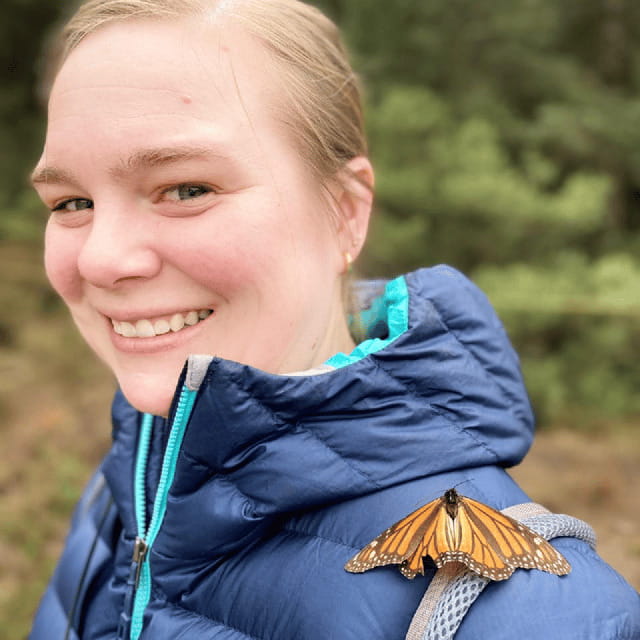
Book this tour if you want the rare chance to see monarchs where they spend the winter and you accept the effort required to reach them. The butterflies, high forest, and Angangueo town make a memorable combination, and a strong guide such as Andrés can add useful context.
Do not book it expecting a simple sightseeing transfer. The road is long, the hike can be steep, and the schedule can slip. Your decision should come down to one question: are you willing to give up a full day in Mexico City for a natural event whose timing and location cannot be fully controlled?
FAQ
When is the monarch butterfly season at Sierra Chincua?
The sanctuary season runs from November through March. The peak period is generally December through February.
How long does the tour last?
The planned duration is 12 hours. Delays, road conditions, navigation problems, or a sanctuary change can make the day longer.
How far is the hike to the butterflies?
The route ranges from about 1.2 to 3 kilometers, or approximately 0.75 to 1.86 miles. Reaching the colony usually takes one to two hours of hiking.
How high does the trail go?
The trail rises from about 2,800 to 3,400 meters, or roughly 9,200 to 11,150 feet. Elevation gain can range from 220 to 800 meters.
Are horses available?
Yes. Horses can be hired locally at your own cost to help with steep sections. They generally cover about half of the hike, so you still need to walk part of the route.
Is lunch included?
Lunch is listed as an optional stop, and personal expenses are not included. Confirm the exact meal arrangement with the organizer before departure.
What is included in the tour price?
The stated inclusions are a local guide, transportation, hotel pickup and drop-off when selected, and entry fees.
Where is the meeting point?
The meeting point is outside the entrance of Hotel City Express Plus by Marriott near the Angel of Independence in Mexico City. You should wait outside rather than entering the hotel.
What languages are available?
Guides may operate in English, Spanish, French, Italian, and German. Confirm your preferred language when booking.
Can I cancel the tour?
You can cancel up to 24 hours in advance for a full refund. If booking less than 48 hours before departure, confirm availability with the organizer first.
More City Tours in Mexico City

More tours in Mexico City we've reviewed

City Tours, compared.
 ★ 4.6Mexico City: Teotihuacan, Tlatelolco & Guadalupe Shrine TourFrom $49
 ★ 5.0Teotihuacan Hot Air Balloon Flight from Mexico City / VolareFrom $1553 to 9 hours (approx.)
 ★ 5.0Teotihuacan Private Tour from Mexico CityFrom $1401 to 5 hours (approx.)
 ★ 5.0Historic Center Food Tour in Mexico CityFrom $1155 hours (approx.)
 ★ 5.0The best tour to Teotihuacán from Mexico CityFrom $506 to 7 hours (approx.)
 ★ 4.3From Mexico City: Puebla, Cholula and Tonantzintla Day TripFrom $89
 ★ 4.0Mexico City: Hop-on Hop-off Bus TourFrom $211 - 2 days
 ★ 4.8Mexico City: Historic Downtown Walking TourFrom $263 hours