
Reviewed · CITY TOURS
Mexico City: Monarch Butterfly Sanctuary Day Tour
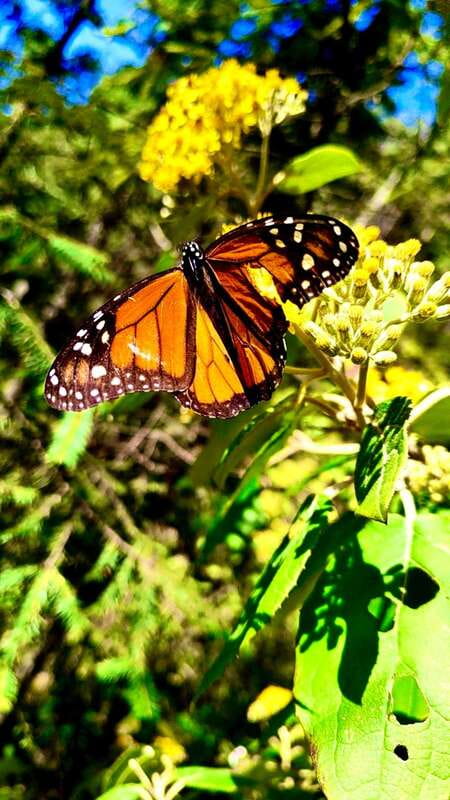
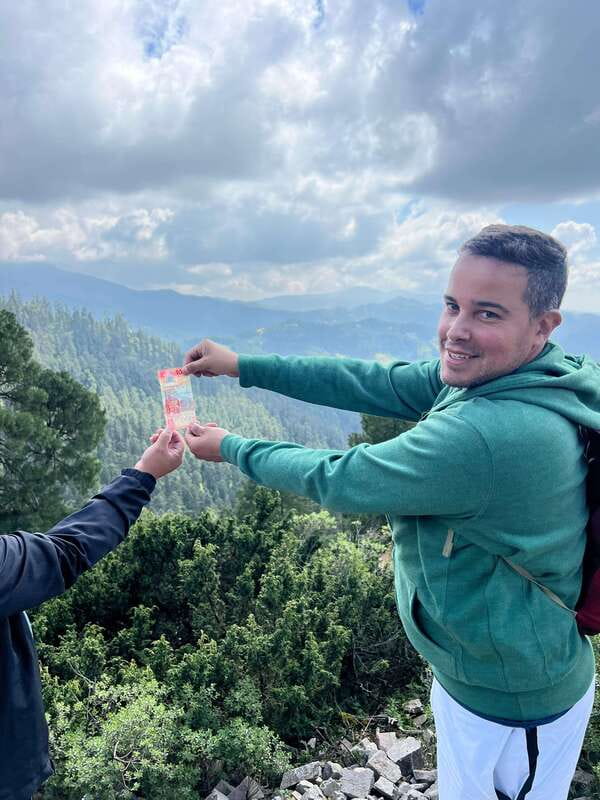
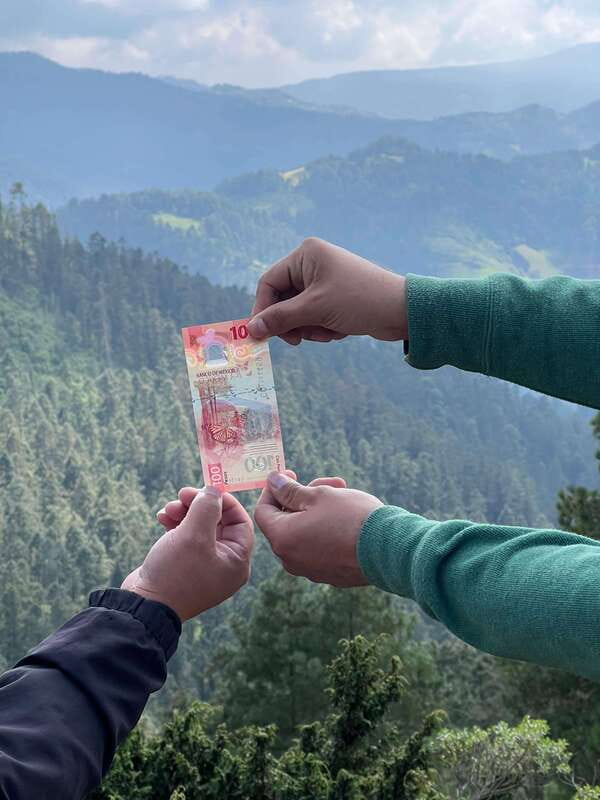
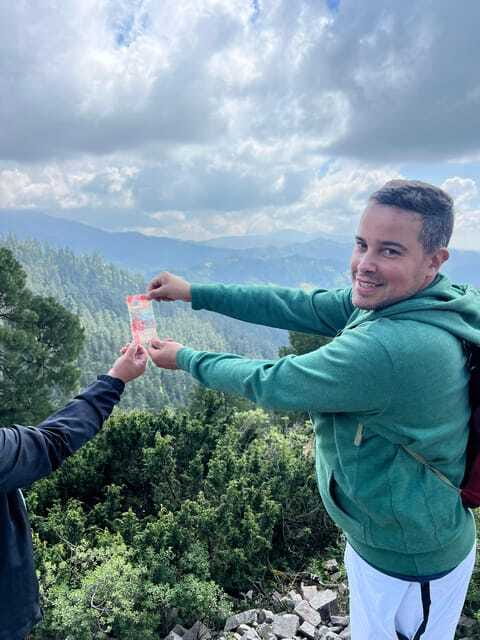
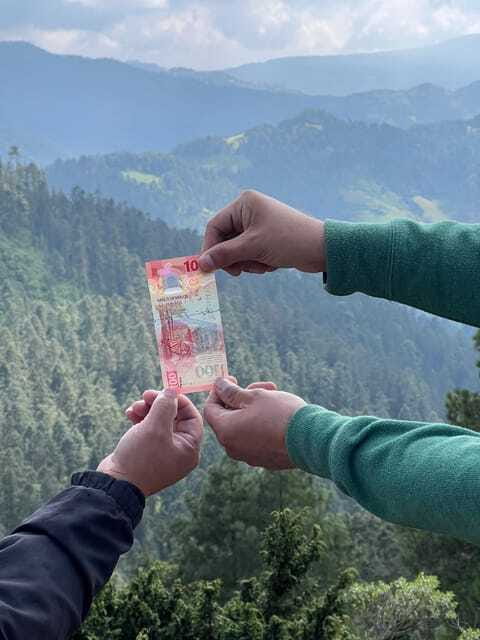
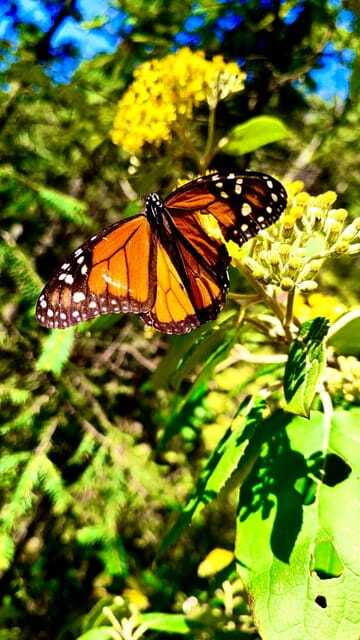
The great draw here is the monarch butterfly spectacle at Sierra Chincua, a mountain forest where huge numbers of butterflies spend the winter. You will hike into their protected habitat, learn why the migration matters to Mexico, the United States, and Canada, and visit the place linked with the photograph used for the 100 dollar bill.
In This Article
- Key points to know before booking
- Why the monarch forest matters
- Leaving Mexico City before the city wakes
- The final mountain roads to Sierra Chincua
- Five hours among the butterflies
- A taste of Michoacán after the forest
- Is $262 a fair price?
- The best season and what to wear
- Who will enjoy this day trip
- What the guides add
- Booking details worth knowing
- FAQ
- How long does the tour last?
- Where can pickup take place?
- How long is the visit at Sierra Chincua?
- Are meals included?
- Is transportation included?
- What languages are available?
- Can I cancel the tour?
- Should you book it?
I like the chance to see the butterflies in their natural setting rather than in a city exhibit. I also like the personal service: guides such as Michelle, Alexei, Eduardo, Diego, and Antonio have helped visitors understand the forest, local conservation work, and the butterfly life cycle. The main catch is simple: this is a very long day, with roughly three hours each way from Mexico City and sometimes rough, slow roads near the sanctuary.
Key points to know before booking
- Sierra Chincua is the main event: Plan on about five hours for the sanctuary, including guided sightseeing and walking.
- The drive is serious: Expect an early start, a 12-hour day, and bumpy sections where cars may move at only 5 to 10 miles per hour.
- The butterflies are protected: Government rules limit how close you can get to the nesting areas, so you may see a great mass of insects without standing right beside them.
- Your guide matters: English and Spanish service is available, with guides who can explain the ecology and help communicate with local staff.
- Michoacán adds flavor: You have time for regional food, a food market, and an arts and crafts market after the forest visit.
- Pack for mountain weather: Warm clothing and comfortable shoes matter more than stylish city clothes.
Why the monarch forest matters
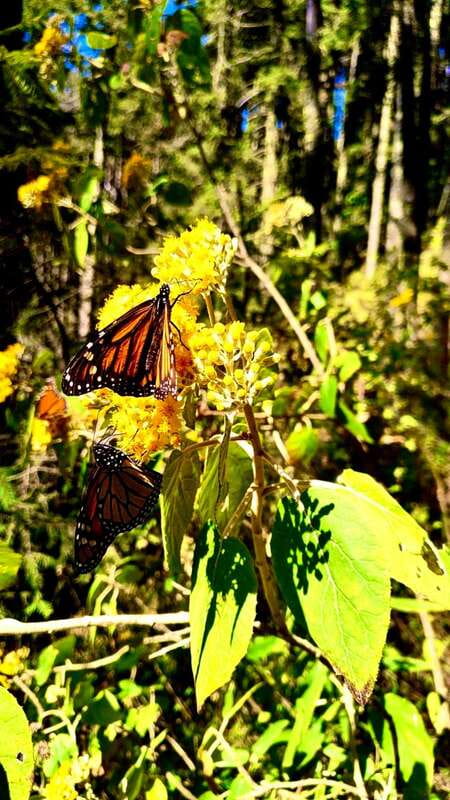
The monarchs that gather in Michoacán are part of a migration connecting Mexico with the United States and Canada. They arrive at high-elevation forests for the winter and use the area as a place to rest and reproduce. That makes the sanctuary more than a pretty stop. It is part of a cross-border natural system, and the health of the forest affects a much larger region.
The sanctuary is protected as part of a UNESCO World Heritage Site. Your guide introduces the history of the reserve, explains how sanctuaries were created, and discusses conservation and activism in Mexico. That context helps you understand why visitors must stay on marked routes and avoid touching plants or butterflies.
I would set your expectations correctly. This is not a butterfly garden where insects land on your shoulders on demand. The butterflies live in the forest, and the protected nesting areas may remain some distance from the walking route. Even so, the sight of large clusters moving through the trees can be remarkable, especially when the forest itself is quiet and cool.
Other city tours we've reviewed in Mexico City
Leaving Mexico City before the city wakes
Pickup is available from the Angel of Independence, Fuente de Cibeles, or your hotel or Airbnb in Mexico City. After booking, the operator contacts you to agree on the exact pickup time, and you need to be ready 10 minutes early.
The trip takes about 12 hours from door to door. Several visitors describe an early departure and approximately three hours of driving each way, so I would treat the journey as a full excursion rather than a quick side trip. Bring water, a snack, and something to occupy you during the first part of the drive. The tour includes water and a snack, but you should not rely on that for the entire day.
Private transportation is one of the better features here. You avoid assembling a complicated public transport route and can travel directly from Mexico City to the sanctuary. Guides and drivers have also helped with local communication and adjusted the route or timing when needed. Antonio, for example, was praised for handling rough roads carefully, while Manuel was singled out for comfortable driving.
One practical point deserves attention: tollways may not be included in the advertised price. Ask about toll charges before departure so the final cost is clear. This is a small issue beside the total price, but it is better handled before you are on the road.
The final mountain roads to Sierra Chincua
The approach to Sierra Chincua is part of the experience, but it is not always comfortable. Road conditions can be poor and bumpy, and the last section may move slowly. One account describes average speeds of only 5 to 10 miles per hour on parts of the route.
That matters if you get carsick or dislike long drives. Sit where you feel most comfortable, bring water, and consider a suitable motion sickness remedy if you normally need one. The road also explains why this excursion takes a full day even though the sanctuary visit itself lasts about five hours.
As you get closer, keep an eye outside. The route passes through towns and mountain scenery, and the changing surroundings show you a part of Mexico that feels far removed from Mexico City. Your guide may point out local features, plants, animals, and the relationship between the forest and the butterflies.
The altitude and cold are worth taking seriously. The sanctuary is in a mountain forest, so bring warm layers even if Mexico City feels mild when you leave. The activity is not recommended for people with altitude sickness, respiratory or heart problems, high blood pressure, epilepsy, recent surgery, insect allergies, or other medical conditions. It is also not suitable for wheelchair users or people with mobility impairments.
Five hours among the butterflies
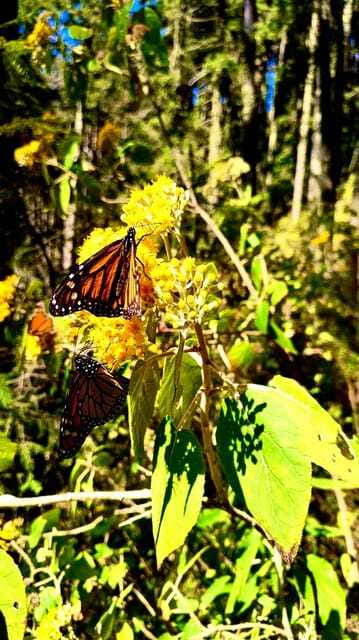
The sanctuary portion includes a guided tour, sightseeing, and walking through Sierra Chincua. Expect a hike rather than a short stroll from the vehicle. Comfortable shoes are essential, and you should pace yourself because the forest visit comes after a long drive.
The reward is the setting. Sierra Chincua is a cool, quiet forest chosen by the monarchs as their winter home. Depending on conditions and the time of your visit, you may see butterflies resting in the trees, moving through the air, or gathering in large numbers. The forest and the insects belong together here. You are not simply checking off a wildlife sighting.
Guides add real value during this part of the day. Alexei has explained the local plants, wildlife, and butterfly behavior, while Jeshua has focused on the life cycle and migration patterns. Eduardo has been attentive to walking pace and communication, and Barbara has provided English interpretation at the reserve. Specific guides are not guaranteed, but the experience is available in English or Spanish.
You may also encounter other local nature attractions. Axolotls have been an unexpected bonus on some outings, including a detour arranged by Alexei. Since this is not listed as a guaranteed stop, think of it as a possible extra rather than a reason to book the tour.
Photography is allowed, so bring a camera or phone. Drones are not permitted. Do not touch butterflies, plants, or other parts of the habitat. Smoking and littering are prohibited within the sanctuary, and biodegradable sunscreen and insect repellent are requested.
The government limits access to the most sensitive areas. That rule protects the butterflies, but it can surprise people who expect to stand directly beside the nesting colonies. Your guide can help you find the best permitted viewing area and explain what you are seeing. The goal is to observe without damaging the place that brings the monarchs back each year.
A taste of Michoacán after the forest
After the sanctuary, the outing includes about an hour for food tasting and a visit to a food market. You can try regional Michoacán dishes, then browse an arts and crafts market for local goods.
Meals and drinks are not included. The estimated cost is about 300 Mexican pesos, which gives you a modest additional expense to plan for. Bring some Mexican pesos, since market and food purchases may not accept cards.
This stop makes sense after the hike. You can warm up, eat, use the facilities, and take a break before the ride back. One sanctuary area has been described as having bathrooms, food, shops, and views toward the valley. I would keep some time for browsing rather than treating the meal as a rushed refueling stop.
The market visit also gives the day a local dimension. You are not only looking at butterflies and returning immediately to the capital. You get a brief look at regional food and crafts from Michoacán, though the schedule allows only about an hour, so do not expect a long shopping session.


Is $262 a fair price?
At $262 per person, this is not a cheap day trip. The price makes more sense for people who value private or small-group transport, a guide, direct hotel or Airbnb pickup, sanctuary admission, and help navigating the remote destination.
You are paying for convenience as much as for the entrance ticket. Reaching Sierra Chincua independently would require more planning, and a guide can explain the conservation rules, translate when needed, and help locate the best viewing area. The included water, snack, entrance, and guided sanctuary visit reduce some extra costs, but meals, drinks, personal purchases, tips, and possibly tolls remain your responsibility.
For a solo visitor or couple who wants a direct, guided outing, the price can be reasonable. For a larger family or a group comfortable arranging transport alone, the per-person cost may feel high. I would compare the price against the value of your time. You lose much of a day to the drive, but you gain a direct route and a focused visit to one of Mexico’s most important natural sites.
The best season and what to wear
The supplied outings took place from late November through February, including December, January, and February dates. Those visits produced strong butterfly sightings, including descriptions of hundreds of thousands of monarchs. Exact numbers and viewing conditions can change, so no tour can promise a particular display.
Wear warm clothing in layers. The forest can feel much colder than Mexico City, especially during an early start or while standing still to watch the butterflies. Choose sturdy, comfortable walking shoes rather than sandals or smooth-soled city shoes.
Pack:
- Water and extra snacks
- Warm layers
- A camera
- Biodegradable sunscreen
- Insect repellent
- Mexican pesos for food and crafts
Do not bring a drone, and be prepared to follow sanctuary rules about smoking, litter, plants, and contact with the butterflies.
Who will enjoy this day trip
I would recommend this experience to nature lovers, photographers, families with older children, and anyone who has specifically wanted to see monarchs in their winter habitat. It also suits people who want to learn about conservation rather than simply take a quick photograph.
The tour is less suitable if you have limited mobility, serious medical concerns, altitude sensitivity, or trouble with long vehicle journeys. Children under five are excluded, with the supplied information also listing restrictions for children under two, three, and four. Because those age entries overlap, confirm the exact child policy before paying.
The weight restrictions also vary in the supplied booking information, ranging from 100 kilograms to 140 kilograms. If that applies to you, ask the operator for the precise current limit. People over 95 and those with insect allergies are also listed as unsuitable.
What the guides add
A good guide can make the difference between seeing butterflies and understanding the forest. The strongest guide experiences have included clear explanations of migration, plant life, the butterfly life cycle, and the sanctuary’s conservation work.
English service is available, and several guides have helped translate information between visitors, local staff, and residents. That can save time at a remote reserve where communication may otherwise be difficult. Guides have also been praised for patience, professional driving arrangements, and adjusting the pace so people can spend enough time with the butterflies.
You should still confirm your preferred language when booking. A guide may speak English well, but communication styles can vary, especially during a long day with many moving parts.
Booking details worth knowing
You can cancel up to 24 hours before the activity for a full refund. The reserve now and pay later option lets you hold a place without paying immediately.
Pickup is included from a Mexico City hotel or Airbnb, with the exact time agreed after booking. The advertised experience can be private or arranged for a small group, so ask which format applies to your reservation. Tips for the guide and driver are not included.
FAQ
How long does the tour last?
The tour lasts about 12 hours, including transportation from Mexico City, the sanctuary visit, and the food and market stop.
Where can pickup take place?
Pickup is available from the Angel of Independence, Fuente de Cibeles, or your hotel or Airbnb in Mexico City. The exact time is arranged after booking.
How long is the visit at Sierra Chincua?
The sanctuary portion lasts about five hours and includes a guided tour, sightseeing, and walking.
Are meals included?
No. Meals and beverages cost approximately 300 Mexican pesos and are paid separately. Personal expenses are also excluded.
Is transportation included?
Private transportation is included, along with the sanctuary entrance, water, snack, and guided tour. Ask about tollways before departure because toll charges may not be included.
What languages are available?
The tour is available in English and Spanish.
Can I cancel the tour?
Yes. You can cancel up to 24 hours in advance for a full refund. You can also reserve now and pay later.
Should you book it?
Book this tour if seeing monarchs in their actual winter forest is high on your Mexico City wish list and you can handle a long, rough-edged day. The butterflies, Sierra Chincua setting, local food, and personal guide service make the effort worthwhile for the right visitor.
Skip it if you want a relaxed half-day outing, dislike mountain roads, or cannot manage a hike in cold conditions. Before booking, confirm tolls, the exact pickup time, group size, child rules, and any health or weight restrictions. If those details work for you, this is a memorable way to trade Mexico City’s noise for a remarkable natural event in Michoacán.
More City Tours in Mexico City

More tours in Mexico City we've reviewed

City Tours, compared.
 ★ 4.6Mexico City: Teotihuacan, Tlatelolco & Guadalupe Shrine TourFrom $49
 ★ 5.0Teotihuacan Hot Air Balloon Flight from Mexico City / VolareFrom $1553 to 9 hours (approx.)
 ★ 5.0Teotihuacan Private Tour from Mexico CityFrom $1401 to 5 hours (approx.)
 ★ 5.0Historic Center Food Tour in Mexico CityFrom $1155 hours (approx.)
 ★ 5.0The best tour to Teotihuacán from Mexico CityFrom $506 to 7 hours (approx.)
 ★ 4.3From Mexico City: Puebla, Cholula and Tonantzintla Day TripFrom $89
 ★ 4.0Mexico City: Hop-on Hop-off Bus TourFrom $211 - 2 days
 ★ 4.8Mexico City: Historic Downtown Walking TourFrom $263 hours