
Reviewed · CHAPULTEPEC & MUSEUM TOURS
Museum of Anthropology in Mexico City & Chapultepec Tour
Mexico City’s best history lesson may be the walk from ancient Mexico to modern Mexico, and this tour links both ends in one morning and afternoon. You begin with Olmec figures, Maya objects, and the huge Aztec Sun Stone at the National Museum of Anthropology, then move to Chapultepec Castle for royal rooms, murals, and city views.
In This Article
- Quick facts about this Chapultepec history tour
- Why these two museums work so well together
- Starting at the National Museum of Anthropology
- Walking through Chapultepec Forest to the castle
- Chapultepec Castle and its city views
- What the guide adds to the experience
- Small group or private tour?
- Food, breaks, and the day’s pace
- Price, tickets, and practical details
- Who should book this tour?
- My verdict on the Anthropology Museum and Chapultepec tour
- FAQ
- How long does the tour last?
- Where does the small-group tour begin?
- Is hotel pickup included?
- How large is the group?
- Can I choose the starting time?
- Is the tour available in English?
- Are museum tickets included?
- Can I cancel for a full refund?
I like the way a guide turns two huge museums into a clear story, and I like the small-group size of up to 12 people. Guides such as Arturo, Mayra, Ari, and Mario have been praised for explaining difficult subjects in plain language, finding good photo spots, and adjusting the pace for families. The catch is the walking: one outing covered about five miles, and the group tour meets at the museum rather than including hotel pickup.
Quick facts about this Chapultepec history tour
- Two major sights in about six hours: Plan roughly three hours at the Anthropology Museum and two hours at Chapultepec Castle, with time for movement and short breaks.
- A guide matters here: The museum is enormous, and a good guide helps you focus on key objects instead of wandering through room after room without context.
- The Aztec Sun Stone is a major stop: This 22-ton stone gives the museum visit a memorable centerpiece, alongside Olmec figures and other ancient works.
- Small group or private format: The semi-private option has up to 12 people. A private option lets you choose the start time and adjust the visit.
- Expect plenty of walking: Comfortable shoes are essential, especially if you walk through Chapultepec Forest between the sites.
- Sunday group departure: The small-group tour starts at 9:00 a.m. at the Anthropology Museum. Private tours offer a preferred start time.
Why these two museums work so well together
The pairing makes sense because the sites tell different chapters of Mexico’s story. The Anthropology Museum centers on ancient civilizations and the Indigenous cultures of Mexico. Chapultepec Castle shifts the focus to the colonial, imperial, and republican eras, with grand rooms and murals set high above the city.
That contrast gives you a useful frame. At the first museum, you see how societies built cities, organized power, practiced religion, and created art long before Spanish rule. At the castle, you see later political change, European influence, military conflict, and the formation of modern Mexico.
You can visit both on your own, but I would not underestimate the size of the museum. It has two large floors and many exhibition rooms. Without a plan, you could spend hours on one culture and miss other important sections. The strongest guides keep the route moving while stopping at the pieces that explain the larger story.
This is especially helpful if you have already visited Teotihuacan or other archaeological sites. The museum gives those places context. Instead of seeing a pyramid as an isolated monument, you begin to understand how different cultures developed across Mexico and how their art and beliefs connected.
A few more Mexico City tours and experiences worth a look
Starting at the National Museum of Anthropology
The small-group tour begins at 9:00 a.m. at the entrance on Paseo de la Reforma. That early start is smart. The museum can become harder to navigate later in the morning, and arriving early gives you a better chance of hearing your guide without competing noise from other groups.
You spend about three hours inside. That is enough time for a focused route, but not enough to see every room carefully. I consider that a strength rather than a flaw. Three hours with a clear plan can leave you informed without turning the visit into a museum endurance test.
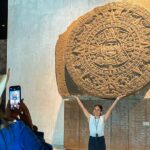
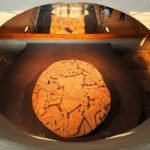
The museum’s ancient collections include human remains, sculptures, ceremonial objects, and major works from several pre-Columbian cultures. The Olmec Group of Figures is one of the notable displays. The 22-ton Aztec Sun Stone is another essential stop, both for its size and for the way it represents an Aztec view of the world.
A guide can explain the objects in relation to one another. That is where this tour earns its fee. Arturo was praised for weaving many facts into an understandable story, while Mario used the museum’s murals as visual support for his explanation. Those are useful skills in a place where labels alone can feel disconnected.
You should also expect the route to reflect your interests. Mayra was able to spend more time on exhibits that matched questions from her group. Ari was praised for quickly working out which subjects mattered most to the people she was guiding. This kind of adjustment is most likely on a private tour, but a strong guide can still make a small-group visit feel personal.
Families should find the format useful. One guide helped children stay engaged by pointing out photo opportunities, while keeping the group moving through crowded areas. The museum is serious, but it does not have to feel stiff. A good explanation can turn a carved figure or mural into a story your children remember.
There is one practical limit. The museum has enough material for a full day, so you will leave major sections unseen. If your main goal is a slow, scholarly visit to every gallery, book extra time on your own. If your goal is to understand the main arc and see the most important pieces, three guided hours is a sensible choice.
Walking through Chapultepec Forest to the castle

After the Anthropology Museum, the tour continues toward Chapultepec Castle. The route may include a walk through Bosque de Chapultepec, a large urban forest that gives the day a welcome change of pace after several hours indoors.
The walking distance can add up. One group estimated about five miles across the two sites and the connecting paths. You will want sturdy, comfortable shoes, water, and clothes suited to a long outing. The tour is not presented as a strenuous hike, but it is more active than the phrase museum tour might suggest.
This stretch also gives your guide room to point out the setting and explain how the castle fits into the city. Depending on your route and tour arrangement, you may have time for photos or a short stop. One private outing included a coffee break after the museum, and another included pan dulce along the way.
The order can vary on private tours. Some groups have visited the castle first and then walked to the museum. That can help your guide avoid the heaviest crowds or match your preferred pace. The standard small-group departure follows the listed museum-first plan, so you should not expect to change the order unless you book privately.
Chapultepec Castle and its city views
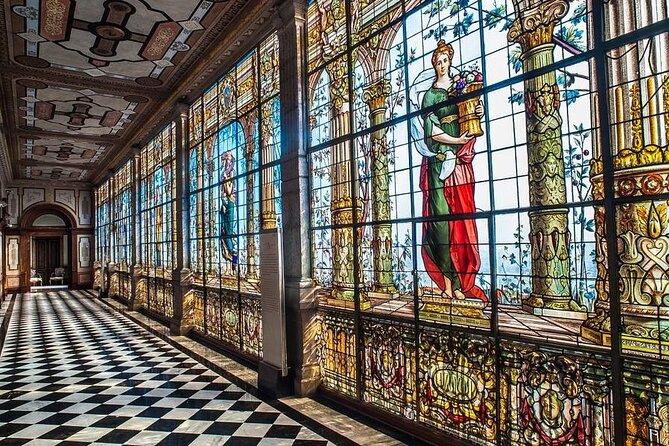
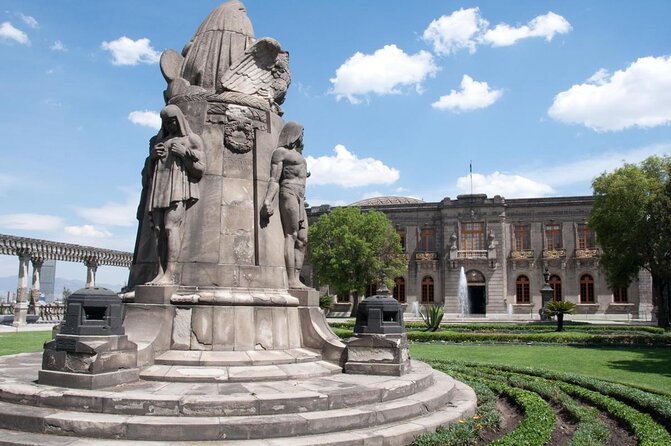
Chapultepec Castle occupies a hill in the forest and has served several roles. It began as a rest home for governors, later became connected with the Colegio Militar, and is associated with the famous battle against the United States Army. It became a museum in 1944.
Today, it is presented as the only castle in Latin America. The building combines military, political, and royal associations with grand interiors and artwork. The castle feels very different from the Anthropology Museum. Instead of looking at ancient objects in carefully arranged galleries, you move through rooms tied to the country’s later rulers and public life.
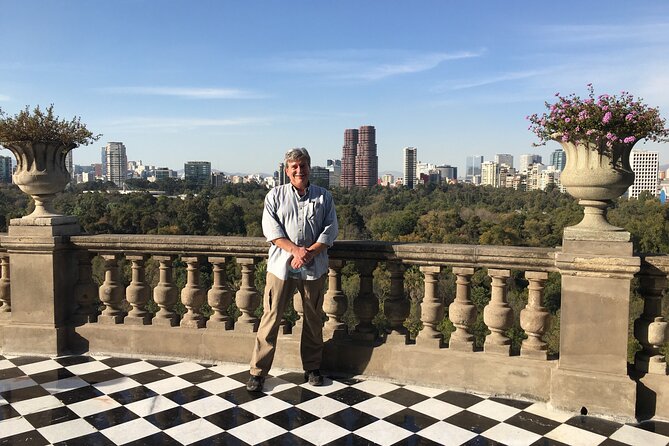
Plan about two hours here. That is enough to see the main rooms, paintings, murals, and overlooks without rushing too hard. The castle’s city views are a key reason to visit. You get a sense of Mexico City’s scale from above, with the forest below and the modern city stretching beyond it.
The murals deserve attention. Guides have used them to explain events and political ideas shown on the walls, making the artwork easier to read. If you walk through the rooms alone, you may admire the color and scale but miss the people and events being depicted.
The castle visit may feel shorter than the museum portion. That is appropriate. The Anthropology Museum is the intellectual center of the tour, while the castle supplies architecture, artwork, views, and a later period of national history.
What the guide adds to the experience
The most praised feature of this tour is the guide. The strongest comments focus on clear storytelling, patience, flexibility, and a genuine interest in Mexican history. Arturo, Mario, Mayra, Ari, Diana, Sal, Julia, Pepe, Alfredo, Francisco, and others have each been singled out for different strengths.
That does not mean every guide will suit every person. Guide assignments vary, and the small-group option is offered in English and Spanish. Private tours are led by bilingual local guides, with other languages sometimes available by advance request but not guaranteed.
For you, the main benefit is not simply receiving more facts. It is learning what deserves your attention. A guide can explain why a particular sculpture matters, connect a mural to an event, or answer the question that occurs to you while standing in front of an object.
Guides also help with crowd control. Mario was praised for keeping his family group moving so they did not get stuck beside competing narrations. Sal was noted for avoiding crowds and finding good places for food. Mayra provided clear meeting directions and knew useful photo spots.
Private tours offer the greatest flexibility. You can choose the start time, adjust how long you spend at each site, and ask to include another nearby attraction, market, or restaurant if it fits the tour’s normal duration and route. Major changes, extra time, or additional participants require advance notice and may cost more.
Other city tours we've reviewed in Mexico City



Small group or private tour?
The $69 price is listed per person and makes the small-group option appealing if you want a guide without paying for a fully private day. The group can include up to 12 people, which is small enough for questions but large enough that the guide cannot tailor every minute to you.
The small-group departure is on Sunday at 9:00 a.m. It is subject to a minimum number of participants, so the company may cancel and issue a full refund if that number is not met. Confirmation is manual for this option.
The private format costs more, with the per-person price changing according to the number in your party. In return, you can choose your starting time and shape the pace. A private tour is worth considering if you are traveling with children, have limited mobility, want to linger over specific art, or need the itinerary adjusted.
Be careful with the transportation wording. The general description mentions pickup, while the detailed conditions say hotel pickup and drop-off are included only with the private option, and another note says transportation is not included unless arranged in advance. For the group tour, you definitely meet at the Anthropology Museum. If you need hotel or airport service, confirm the cost and arrangement before booking.
Food, breaks, and the day’s pace
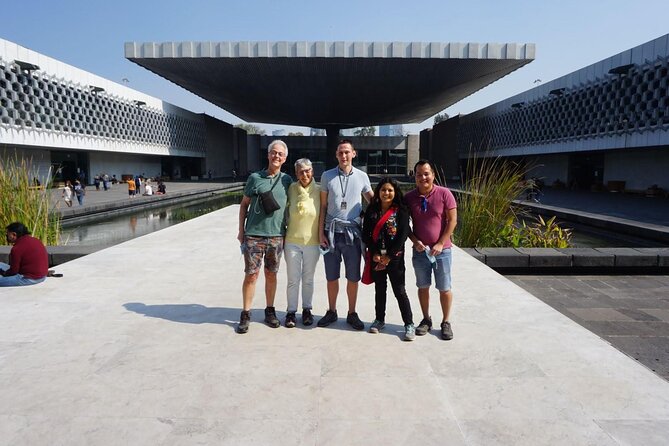
Food is not included, so plan for personal expenses and tips. The standard schedule is long enough that you may want a quick coffee or snack break, especially after the first museum.
Private guides may help with suggestions. Sal recommended Café de Tacuba, and another guide helped find a good restaurant for lunch. These recommendations can be useful because you are already in an area with many choices, but you should expect to pay for your own meal.
The day works best if you accept a steady pace. You will spend hours standing, walking, listening, and moving between large rooms. The tour is not ideal if you want a slow lunch, a long rest, or a relaxed stop at every display.
Price, tickets, and practical details
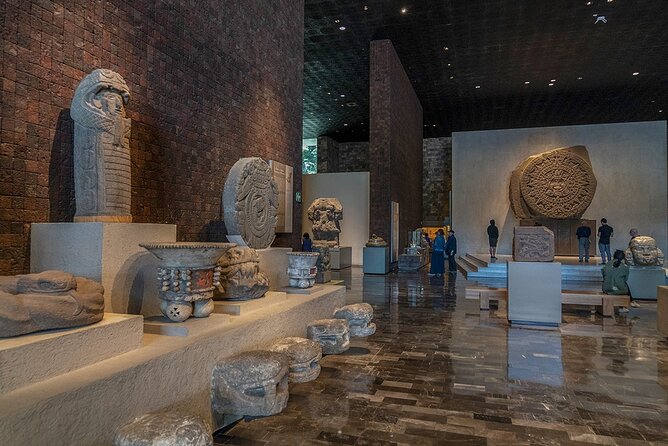
Admission to both museums is included. Tickets are bought on arrival rather than through a fast-entry line, so a short wait is possible and not fully controlled by the operator.
Bring comfortable shoes, some cash, personal identification, a phone with your confirmation, and valid travel insurance. The company asks for a phone number with the international prefix and may need to reach you on the day. Keep the phone available, especially if you are using a private pickup.
The tour is offered in English, and the semi-private option is also offered in Spanish. Most people can participate, but the walking distance and long time on your feet matter more than any formal fitness requirement.
Free cancellation is available up to 24 hours before the start time. Cancellations made later are not refunded, and changes inside that 24-hour period are not accepted. Poor weather can lead to a new date or a full refund.
Who should book this tour?
I would choose this tour if you have one day for Chapultepec and want a strong introduction to Mexico’s past without doing all the research yourself. It is particularly useful for first-time visitors, families, and anyone who finds giant museums tiring or confusing.
It also suits people who want more than a quick photo stop. The museum collections and castle interiors deserve explanation, and the pairing gives you a useful path from pre-Columbian cultures to the monarchy and republic.
I would skip it if you prefer total independence, want to read every label, or dislike group schedules. You may also want a private option if Sunday morning does not work, if pickup is essential, or if you need to spend extra time on a particular culture or artwork.
My verdict on the Anthropology Museum and Chapultepec tour
At $69 per person, this is a solid value for a six-hour guided visit with admission to two major Mexico City museums. The Anthropology Museum alone can overwhelm you, and the castle adds architecture, murals, military history, and excellent views.
The main reasons to book are the guide-led storytelling, the well-matched pair of sights, and the chance to see the major pieces without wasting time. The main cautions are the five-mile walking potential, the lack of included group pickup, possible ticket waits, and the fixed Sunday departure for the small group.
Choose the private version if flexibility matters most. Choose the small group if you want the lower price and can meet at the museum at 9:00 a.m. Either way, wear good shoes and leave room in your day for a short break. This is a serious amount of Mexico City history, but with the right guide, it becomes a clear and enjoyable story instead of a pile of facts.
FAQ
How long does the tour last?
The advertised duration is about six hours. The itinerary allows roughly three hours at the National Museum of Anthropology and two hours at Chapultepec Castle, with time for travel and movement between sites.
Where does the small-group tour begin?
The small-group tour begins at 9:00 a.m. at the entrance of the National Museum of Anthropology on Avenida Paseo de la Reforma in Chapultepec.
Is hotel pickup included?
Hotel pickup and drop-off are not included for the group tour. The detailed conditions say pickup for private tours must be arranged in advance and may involve an extra fee, so confirm the transportation plan before booking.
How large is the group?
The semi-private tour has up to 12 people. A private tour includes only your group, with the group size and price depending on the booking.
Can I choose the starting time?
The small-group tour has a Sunday 9:00 a.m. departure. Private tours allow you to choose your preferred starting time.
Is the tour available in English?
Yes. The experience is offered in English. Semi-private tours are offered in English and Spanish, while private tours may sometimes be available in other languages if arranged ahead of time.
Are museum tickets included?
Yes. Admission to the National Museum of Anthropology and Chapultepec Castle is included. Tickets are purchased upon arrival, so a wait is possible.
Can I cancel for a full refund?
You can cancel at least 24 hours before the start time for a full refund. Cancellations or changes made less than 24 hours before the tour are not accepted for a refund.
More Museum Experiences in Mexico City


More City Tours in Mexico City
More Chapultepec & Museum Tours in Mexico City
More tours in Mexico City we've reviewed





Chapultepec & Museum Tours, compared.
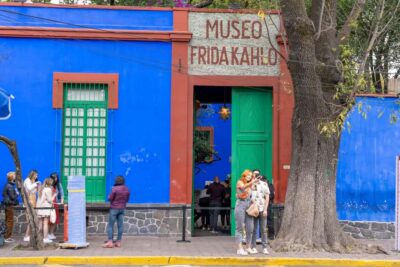 ★ 4.4CDMX: Xochimilco, Coyoacan, Frida Kahlo Museum & Murals TourFrom $89
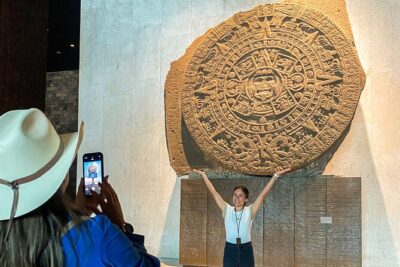 ★ 4.5Chapultepec Castle & Anthropology Museum TourFrom $795 hours (approx.)
 ★ 5.0Frida Kahlo VIP [Museum Tickets Included] Bike, Markets & ChurrosFrom $834 hours (approx.)
 ★ 4.5Anthropology Museum Guided TourFrom $392 hours 30 minutes (approx.)
 ★ 5.0Frida Kahlo VIP [Museum Tickets Included] Walk, Markets & ChurrosFrom $833 to 4 hours (approx.)
 ★ 5.0EXCLUSIVE TOUR Frida Kahlo Museum – SMALL GROUPSFrom $862 hours (approx.)
 ★ 4.4Mexico City: Anthropology Museum Guided VisitFrom $672.5 hours
 ★ 4.5Mexico City: Frida Kahlo Museum Entry Ticket w/Digital GuideFrom $34
The lists this tour appears in