
Reviewed · CITY TOURS
Must-see Buildings & Palaces of Mexico City
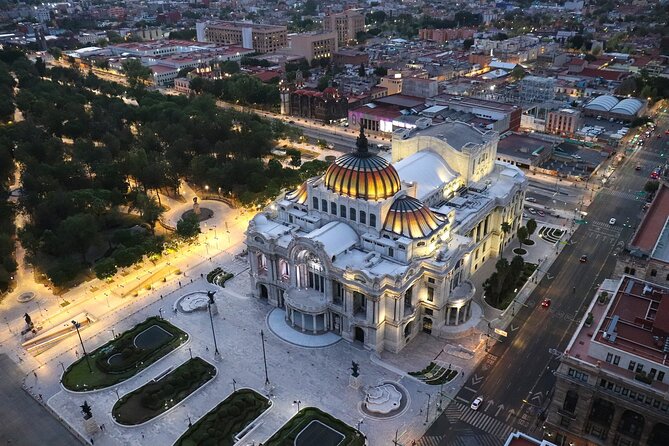
Mexico City’s grandest buildings are packed into a compact stretch of the Centro Histórico, and this tour gives you a useful way to read them. The highlight is Palacio de Bellas Artes, where Diego Rivera and David Alfaro Siqueiros murals reward careful explanation, not just a quick photo.
In This Article
- Key points to know before booking
- Why this four-hour walk works in central Mexico City
- Starting at Palacio de Bellas Artes
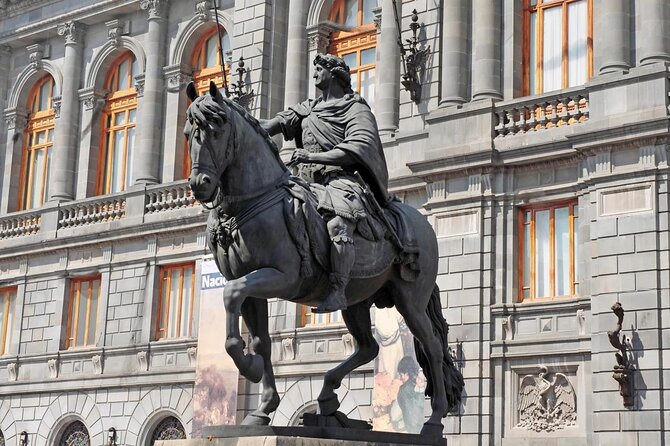
- MUNAL: Mexico in paintings from the 1500s onward
- Bank of Mexico Museum and the story of the peso
- Palacio Postal and its gold-plated interior
- Palacio de Bellas Artes and the murals worth your time
- Alameda Central as an optional extra
- The guide’s role matters more than the group size
- Is $49 a fair price?
- Who should book this Mexico City experience?
- Practical advice for a smoother visit
- Should you book it?
- FAQ
- Where does the tour start?
- Where does the tour end?
- How long does the tour last?
- What attractions are included?
- Is the tour offered in English?
- How large is the group?
- Is the tour near public transportation?
- Can Museo Nacional de Arte be closed?
- Can I cancel for a full refund?
I like the mix of art, money, mail, and architecture. I also like the small maximum of 15 people, which makes it easier to hear a guide such as Adhara, Yair, Leonardo, Carlo, or Geovana. The main concern is pacing: some tours spend too long on the Bellas Artes murals and rush the other buildings, while others finish well before the advertised four hours.
Key points to know before booking
- Bellas Artes is the artistic centerpiece: Expect the most detailed discussion here, especially about Rivera and Siqueiros.
- Four major stops fill the route: MUNAL, the Bank of Mexico Museum, Palacio Postal, and Palacio de Bellas Artes each offer a different view of Mexico.
- The tour is mostly about interiors and interpretation: Admission is included at each named stop, though access can change because of closures or other conditions.
- The group is capped at 15 people: This is more manageable than a large coach-style outing, especially inside museums.
- The meeting point needs care: Start at Palacio de Bellas Artes, where several tour groups may gather.
- The advertised duration is about four hours: Actual timing has varied, so plan some flexibility rather than scheduling a tight afternoon connection.
Why this four-hour walk works in central Mexico City
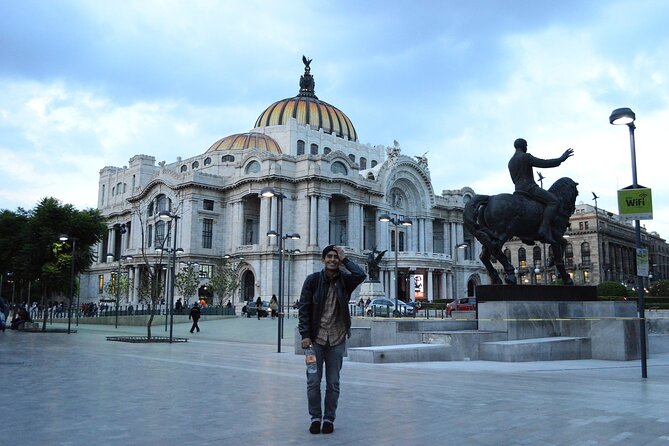
The route makes sense because the buildings sit close together in the historic center. You begin at Palacio de Bellas Artes on Avenida Juárez and finish at the Banco de México building on Avenida 5 de Mayo. Along the way, you move through several centuries of Mexican art and public life without needing a bus or taxi between stops.
I like this kind of city tour because the buildings are not treated as isolated photo stops. The National Museum of Art introduces Mexico’s painting tradition. The Bank of Mexico Museum explains the country’s currency and economy. Palacio Postal reveals the taste for imperial decoration, while Bellas Artes brings together architecture, murals, and national culture.
The guide makes a major difference. Yair has been praised for being approachable and thorough, while Adhara has led especially strong explanations of architecture and the murals. Leonardo, Carlo, Geovana, and Rubén have also been singled out for their command of the city’s buildings and art. You are paying partly for access, but also for a person who can explain why the details matter.
The format is offered in English, though some tours have included bilingual explanation. If the guide switches between English and Spanish, the commentary may take longer. That can be useful for a mixed group, but it may also make a four-hour route feel slower.
Other city tours we've reviewed in Mexico City

Starting at Palacio de Bellas Artes
The tour begins outside Palacio de Bellas Artes, at Av. Juárez S/N in the Centro Histórico. This is a busy meeting area, so do not simply arrive and expect one obvious flag to identify the group. A past meeting problem involved guests searching among several groups because the guide’s small dark flag was not held high and the company logo was hard to see.
Check the guide’s name and the exact meeting instructions before you leave your hotel. If you cannot spot the group, calling the operator is more useful than walking away from the designated point. The guide is expected to remain there rather than search the surrounding plaza.
That small bit of preparation matters. The tour itself is a walking experience, and losing the first 10 or 15 minutes can make the later stops feel rushed. Comfortable shoes are sensible, though the supplied information does not specify the exact walking distance.
MUNAL: Mexico in paintings from the 1500s onward
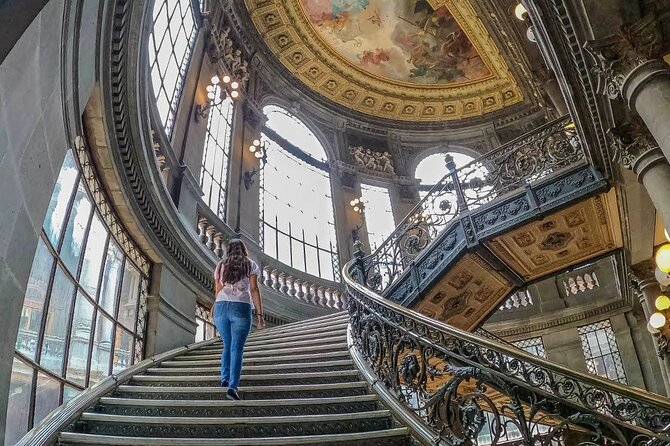
The first scheduled stop is Museo Nacional de Arte, commonly called MUNAL. Admission is included, and the planned visit lasts about an hour.
The museum occupies a former palace built during the Spanish period, which gives you two subjects in one: the building and the collection. Inside, the art traces Mexico’s development from the 16th through the 20th century. That broad time span helps you see how religious, colonial, academic, and modern artistic traditions fit together.
I would pay attention to how your guide selects the works. A good guide cannot explain every gallery in an hour, so the value comes from choosing important examples and giving you a clear path through the collection. One guide, Adhara, was praised for presenting key pieces while also allowing a few minutes for independent browsing. That balance is worth asking for if you prefer some quiet time with the art.
The limitation is time. An hour is enough for an introduction, not a full museum visit. If MUNAL is your main interest, you will probably want to return alone after the tour. The provider also notes that the museum may be inaccessible for reasons beyond its control. If that happens, the route may need to change, so treat this stop as planned rather than guaranteed.
Bank of Mexico Museum and the story of the peso
The second stop is Museo Banco de México, described as the birthplace of the Mexican peso. The visit is planned for about an hour, with admission included.
This stop changes the subject in a useful way. Instead of looking at paintings and palace ornament, you get a look at money, national finance, and the institution connected with Mexico’s currency. The museum is housed in an older building with its own atmosphere, and the exhibits explain the monetary system in a way that can add practical context to your time in Mexico.
It is an especially good stop for you if museums about daily life and government interest you as much as fine art. Currency tells a country’s story through symbols, portraits, production, and public trust. The stop also breaks up the art-heavy sections of the route.
There is one important caveat. The Bank of Mexico stop has not always been available. A closure connected with circumstances in the city led to this stop being skipped, along with the Alameda portion, and the tour ended about an hour early. If a major event, closure, or public disruption affects the center, you may not receive every planned visit. Ask what has changed as soon as the tour starts.
Palacio Postal and its gold-plated interior
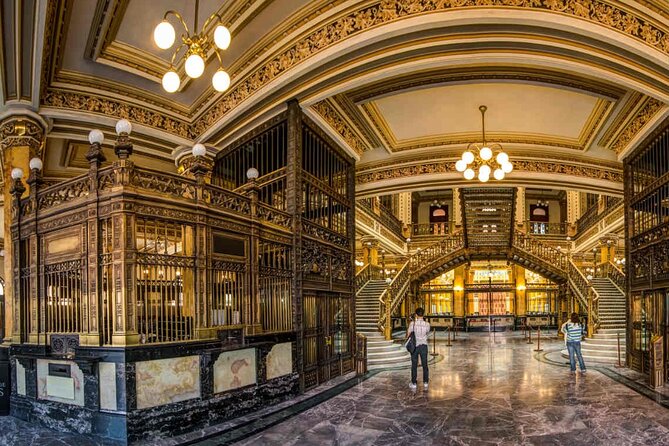
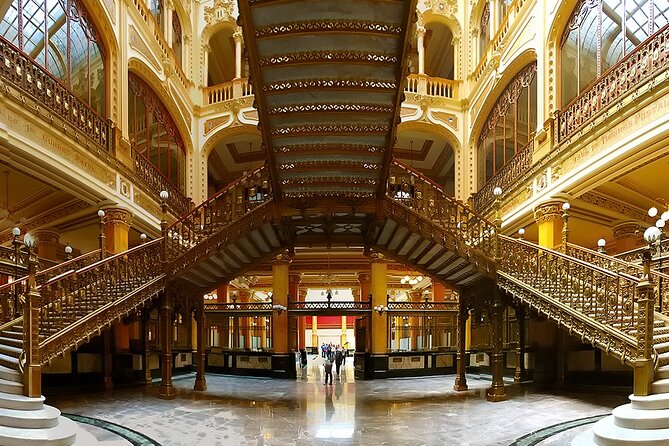
Palacio Postal, also called the Main Post Office or Correo Mayor, is one of the route’s most striking architectural stops. The plan allows about an hour here.
The building is known for its imperial appearance and its blend of architectural styles. Inside, gold-plated details create the feeling of a ceremonial palace rather than an ordinary working post office. This is the kind of place where a guide can help you notice materials, decorative choices, and the building’s public purpose instead of treating it as a quick photograph.
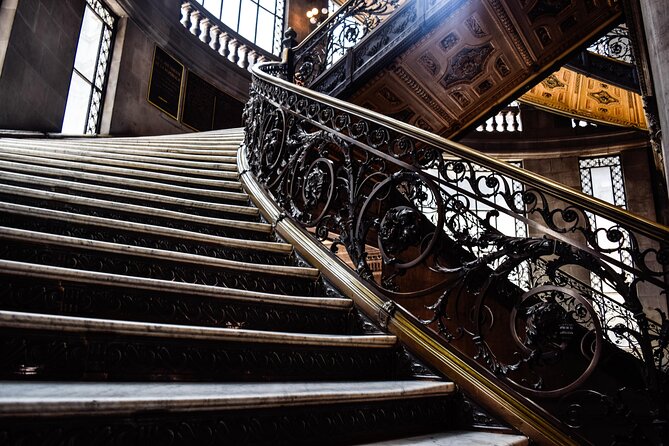
I would bring your camera, but also look upward and around the edges of the main spaces. Ornate public buildings often reveal their character in stairways, railings, ceilings, and small decorative details. The supplied information does not promise access to every interior area, and one account specifically said the visitor later had to pay separately to enter some interiors, including the post office. That makes it important to clarify exactly which rooms and areas are included on the day.
The post office is also a good reason to choose this tour over a simple Bellas Artes visit. You get a wider picture of downtown architecture, including the way civic buildings were designed to express national importance and order.



Palacio de Bellas Artes and the murals worth your time
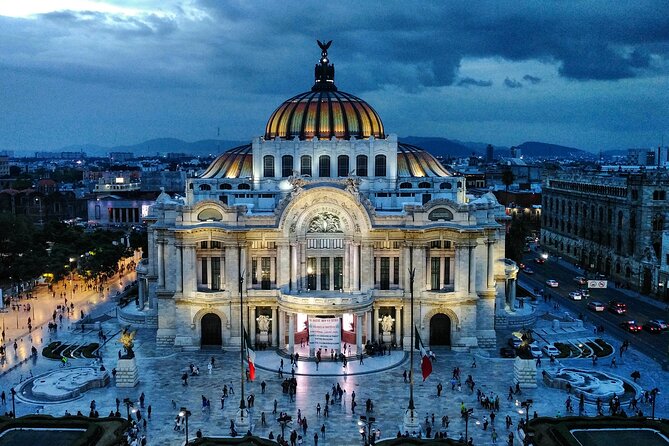
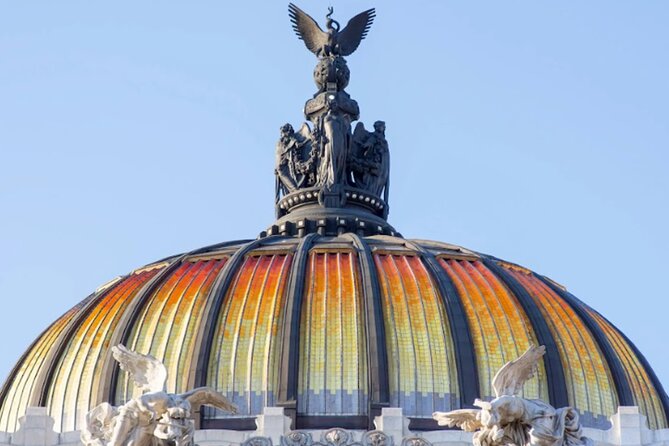
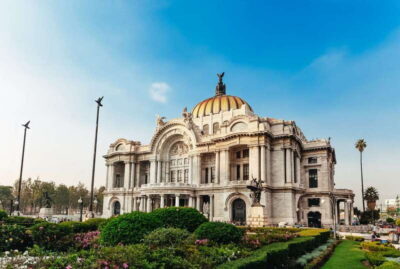
Palacio de Bellas Artes is the emotional center of the experience. Its bronze entrance, white marble details, and grand exterior make it photogenic before you step inside. The building also functions as a major center for art and cultural activity in Mexico.
The murals are the key reason to take a guided visit. Diego Rivera’s work raises political and historical questions, while Siqueiros’s murals are more forceful and visually restless. A guide can explain the people, symbols, conflicts, and ideas behind the scenes. Without that context, you may admire the color and scale but miss the arguments built into the paintings.
One particularly strong version of the tour spent more than an hour on the murals. That level of attention suited an art-focused visitor, but it also created the main criticism of the route: too little time at MUNAL and the other buildings. If Bellas Artes is your priority, this emphasis is a benefit. If you want equal time at all four stops, tell the guide early that you prefer a more even balance.
Do not assume the tour includes entry to every part of the theater. One account specifically noted that access inside the Bellas Artes theater had to be arranged separately. The listed inclusion is admission to the scheduled attractions, but the exact spaces open to the public can vary.
Alameda Central as an optional extra
The route passes by Alameda Central, Mexico’s oldest park and the oldest park in the Americas according to the supplied description. It was inspired by Seville’s Alameda de Hércules and includes fountains, sculptures, and quieter corners.
The park is not presented as a full scheduled stop. Instead, you can visit it after the tour. That is a sensible arrangement because the route already has four substantial buildings, and Alameda is easy to explore at your own speed.
If the tour ends near the Banco de México building, walk through the park afterward if conditions allow. It gives you open space after several grand interiors and helps connect the museums to the wider center. A city demonstration or other public event can affect this part of the route, so keep the plan flexible.
The guide’s role matters more than the group size
A cap of 15 people is a positive feature, but it does not guarantee a slow or personal visit. The guide determines how much time goes to murals, architecture, and independent looking.
The strongest guide reports point to clear English, strong subject knowledge, and a friendly manner. Geovana was noted for excellent English and useful background on Mexico City, the country, the buildings, and the art. Carlo was praised for combining facts with obvious enthusiasm for the city. Adhara’s ability to explain the meaning of Rivera and Siqueiros’s murals was a major part of the experience.
You may also get small local touches. One guide extended the route by a few blocks, pointed out colonial buildings, and bought a visitor a treat at an old candy store. That is not a promised part of the tour, so do not book expecting it, but it shows how a good guide can make the route feel less mechanical.
The weak version of this experience is easy to picture: rushed commentary, long explanations in two languages, and too little time inside the museums. At its best, it is a thoughtful introduction to central Mexico City. At its worst, it becomes a quick checklist with an art lecture attached.
Is $49 a fair price?
At $49 per person, the value depends on what you want from the day. Admission is included at the four named stops, and you receive an English-speaking guide for roughly four hours. For someone unfamiliar with the Centro Histórico, that can be a fair price, especially because the route links buildings you might otherwise visit in a scattered order.
The price is less attractive if you mainly want to see Bellas Artes and already feel comfortable reading museum labels. You might prefer to pay for individual admission and spend your time where you choose. The tour also becomes weaker value if a closure removes the Bank of Mexico Museum or another major portion and no adjustment is offered.
Group discounts may be available, which can help if you are booking for several people. The small group limit is another reason the price is not simply an entry fee. You are buying structure, commentary, and a practical introduction to several important downtown sites.
Who should book this Mexico City experience?
I would recommend it to a first-time visitor who wants an organized introduction to Mexican art and central architecture. It is also a good fit for anyone who likes grand interiors but wants more than a photo walk.
Art lovers should book with Bellas Artes in mind. You will likely get the best explanation there, especially if your guide is Adhara, Leonardo, Carlo, Yair, or Geovana. Families can also benefit from the variety, since the Bank of Mexico Museum offers a change of subject after the paintings.
I would hesitate if you dislike fixed schedules or need guaranteed access to every interior. The tour can be altered by closures, demonstrations, or other conditions. I would also hesitate if you want a leisurely museum day. Four hours sounds generous, but the route contains four major stops, and some guides move quickly.
Practical advice for a smoother visit
Arrive early at the Bellas Artes meeting point and look for the guide by name. Since several groups may gather there, do not rely only on a small flag or shirt logo.
Keep your schedule open after the tour. The advertised duration is approximately four hours, but documented experiences have ranged from about two and a half hours to the full planned time. A shorter visit may reflect closures or a rushed guide, so avoid booking a time-sensitive reservation immediately afterward.
Ask at the start which stops are open and what spaces are included. This is especially useful for MUNAL, the Bank of Mexico Museum, the post office interior, and the Bellas Artes theater.
The tour is near public transportation, and most people can participate. The supplied details do not identify a specific accessibility arrangement, so contact the provider directly if you need a particular accommodation.
Should you book it?
Book this tour if you want the buildings explained, not merely photographed. The strongest part is the art commentary at Bellas Artes, supported by a useful range of stops that includes MUNAL, Palacio Postal, and the Bank of Mexico Museum.
I would book it early, since it is commonly reserved about a month ahead, and I would confirm the meeting details before the morning begins. Choose it with a flexible attitude: the route may change, the pace may vary, and Bellas Artes may receive more attention than the other buildings.
For $49, it is a sensible introduction to Mexico City’s artistic center when the museums are open and the guide gives the route enough time. If you prefer complete independence, guaranteed interior access, or long hours in one museum, plan the buildings yourself instead.
FAQ
Where does the tour start?
It starts at Palacio de Bellas Artes, Av. Juárez S/N, Centro Histórico, Mexico City.
Where does the tour end?
It ends at Banco de México Fábrica de Billetes, Avenida 5 de Mayo 2, Centro Histórico, Mexico City.
How long does the tour last?
The planned duration is approximately four hours.
What attractions are included?
The scheduled stops are Museo Nacional de Arte, Museo Banco de México, Palacio Postal, and Palacio de Bellas Artes. Admission is listed as included for each stop.
Is the tour offered in English?
Yes. The experience is offered in English.
How large is the group?
The tour has a maximum of 15 participants.
Is the tour near public transportation?
Yes. The meeting and end points are near public transportation.
Can Museo Nacional de Arte be closed?
Yes. The museum may be inaccessible for reasons of force majeure, so the route can change.
Can I cancel for a full refund?
Yes, if you cancel at least 24 hours before the experience start time. Cancellations or changes made less than 24 hours in advance are not accepted for a refund.
More City Tours in Mexico City



More tours in Mexico City we've reviewed


City Tours, compared.
 ★ 4.6Mexico City: Teotihuacan, Tlatelolco & Guadalupe Shrine TourFrom $49
 ★ 5.0Teotihuacan Hot Air Balloon Flight from Mexico City / VolareFrom $1553 to 9 hours (approx.)
 ★ 5.0Teotihuacan Private Tour from Mexico CityFrom $1401 to 5 hours (approx.)
 ★ 5.0Historic Center Food Tour in Mexico CityFrom $1155 hours (approx.)
 ★ 5.0The best tour to Teotihuacán from Mexico CityFrom $506 to 7 hours (approx.)
 ★ 4.3From Mexico City: Puebla, Cholula and Tonantzintla Day TripFrom $89
 ★ 4.0Mexico City: Hop-on Hop-off Bus TourFrom $211 - 2 days
 ★ 4.8Mexico City: Historic Downtown Walking TourFrom $263 hours