
Reviewed · COOKING CLASSES
Private Home Cooking Experience in Mexico City with Alex and Ale
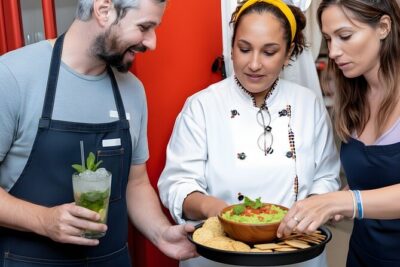
Mexico City’s best food lesson may happen at a small apartment bar, not a polished cooking school. With Alex and Ale, you help prepare three or four Mexican dishes, learn why mole works, and then sit down with your hosts to eat what you made. I especially like the private setting and the chance to request a dish or explain dietary needs before you arrive.
In This Article
- Key points to know before booking
- A Mexico City cooking lesson with a personal feel
- What happens in the small apartment kitchen
- The menu: tostadas, salsa, mole, and more
- Why the hands-on format matters
- The meal after the cooking
- Is $160 per person a fair price?
- The best time to schedule it
- Who will enjoy this most
- Practical details that affect your choice
- Should you book Alex and Ale’s cooking experience?
- FAQ
- How long does the cooking experience last?
- Where does the activity begin?
- Where does the activity end?
- Is the cooking class private?
- What dishes might I learn to cook?
- Can I request a particular dish?
- Is a vegetarian option available?
- Are drinks and gratuities included?
I also like the evening schedule, which leaves your daytime free for museums and neighborhoods. Alex teaches with patience, while Ale brings experience as a tour guide. The main thing to consider is space: the apartment kitchen is small, so much of the preparation happens at the bar rather than around a large central cooking island.
Key points to know before booking
- Cook in Alex and Ale’s home: This is a cultural meal and cooking lesson, not a commercial school.
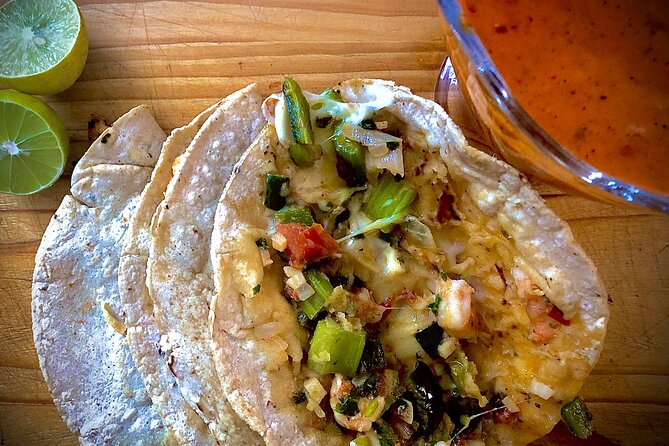
- Expect three or four dishes: Possible foods include picadillo tostadas, enmoladas, flautas, tacos, several salsas, and sweet Mexican corn cake.
- Mole is part of the lesson: You may prepare the dark, spiced chocolate-based sauce used for chicken enmoladas.
- The class is private: Only your own group participates, making it a good fit for families, couples, or friends.
- The evening timing helps: You can spend the day sightseeing and cook later, when many formal classes have already ended.
- The price includes more than instruction: At $160 per person, you get the class, meal, alcohol, taxes, fees, and gratuity.
A Mexico City cooking lesson with a personal feel
This experience begins at a meeting point on Calle de Mesones in the Centro Histórico. From there, you join Alex and Ale for a private visit to their home. The short format, about three hours, gives you enough time to cook, ask questions, eat, and talk without turning the evening into a full-day commitment.
The tone is informal from the start. Alex welcomes you with drinks and settles in for conversation before the cooking begins. That small pause matters. You are not simply handed a recipe and put to work. You get a chance to meet the people whose home and kitchen you are entering.
Alex teaches, and Ale works as a tour guide. Together, they offer two useful views of Mexico City: one through food and one through daily life and local culture. Their English is described as strong, which makes it easier to ask about ingredients, cooking habits, and places to visit.
You should think of this as a shared meal with instruction built into it. You will not be sitting through a formal lecture. Instead, you help prepare the food, listen to explanations as you work, and eat the finished dishes with your hosts.
Other cooking classes in Mexico City



What happens in the small apartment kitchen
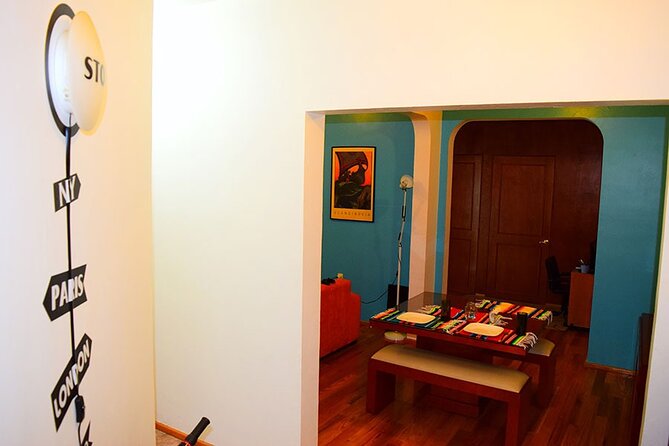
The apartment kitchen is small, and that shapes the experience. Preparation takes place mainly at the bar area, while the final cooking uses the kitchen. For some people, this will feel pleasantly homey. If you are expecting a large cooking school with an individual workstation for every person, you may find it more compact than expected.
The limited space can also make the class feel more social. A group of four, for example, can work together, talk, and let the hosts guide the pace. It is not a silent, step-by-step demonstration. You take part, and Alex adjusts his instruction to the group.
This setup also works well for families with older children or teenagers. One group appreciated being able to relax and let the teens have fun without worrying about disturbing a larger public class. The private format gives your group room to be informal and ask basic questions without feeling self-conscious.
The experience is offered in English, and the hosts ask about allergies, dietary restrictions, and cooking preferences at booking. Vegetarian food is available if requested ahead of time. That advance conversation is important because the menu can change with the season.
The menu: tostadas, salsa, mole, and more
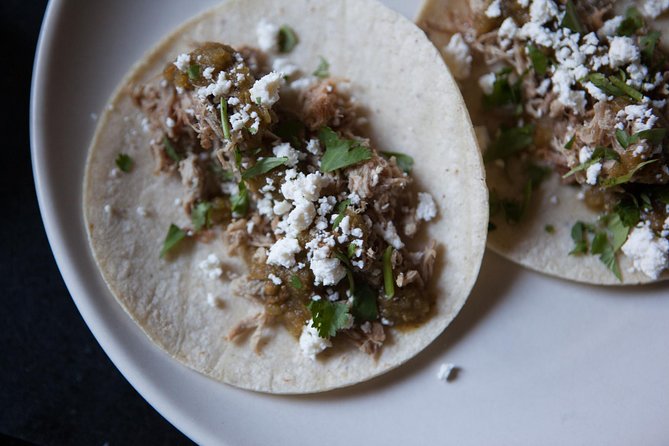
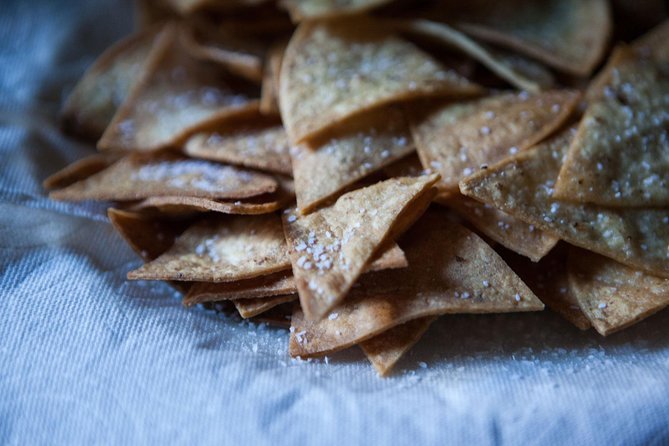
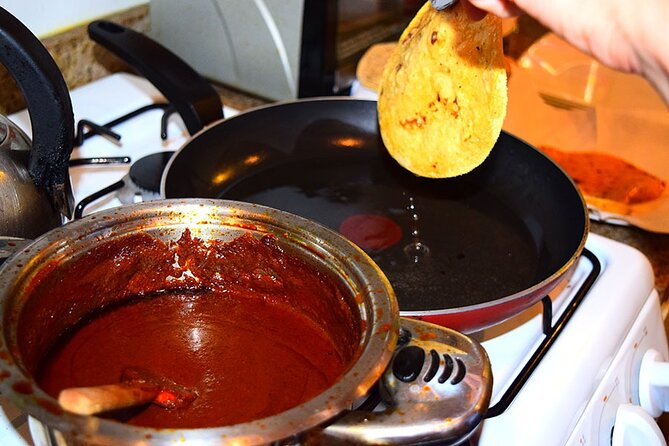
The sample meal begins with picadillo tostadas. These are crisp tortillas topped with seasoned ground beef. They offer a useful introduction to Mexican cooking because you get several textures at once: the crunch of the tortilla, the savory filling, and whatever salsa you choose.
You may also prepare several types of salsa, such as salsa verde or salsa roja. This is one of the most practical parts of the class. Salsa is often treated as a side item, but it can change the character of an entire meal. Learning the balance of heat, acidity, seasoning, and freshness gives you something you can use long after your Mexico City visit.
For the main course, you might make enmoladas, flautas, or tacos. Enmoladas are corn tortillas filled with chicken and covered in mole sauce. Flautas are rolled tacos, usually prepared so the tortilla turns crisp. The exact dish depends on the menu, season, and any request you make before the class.
Mole is the most distinctive lesson on the menu. Its dark color and chocolate base can make it sound like a dessert sauce, but the flavor comes from chocolate combined with spices and other savory ingredients. It is a good dish to study because it shows how Mexican cooking can combine sweet, spicy, earthy, and aromatic notes in one sauce.
Dessert is sweet Mexican corn cake. That gives the meal a gentle finish after the stronger flavors of salsa, chicken, and mole. The menu is not designed as a parade of luxury ingredients. Its strength is the way ordinary, fresh ingredients become a complete meal through technique and seasoning.
If you have a specific dish in mind, tell Alex and Ale when you book. The hosts may be able to shape the lesson around it. Do not assume every requested recipe is guaranteed, but the option makes this more personal than a fixed public class.
Why the hands-on format matters
The most useful part of the class is that you cook rather than simply watch. Alex purchases the ingredients and prepares the setting, but you take the chef’s role once the lesson begins. That division keeps the evening manageable while still giving you real work to do.
This is helpful if you are not an experienced cook. One participant described a spouse who rarely cooks but received patient instruction and clear guidance. That suggests the class is not aimed only at people who already know how to handle Mexican ingredients.
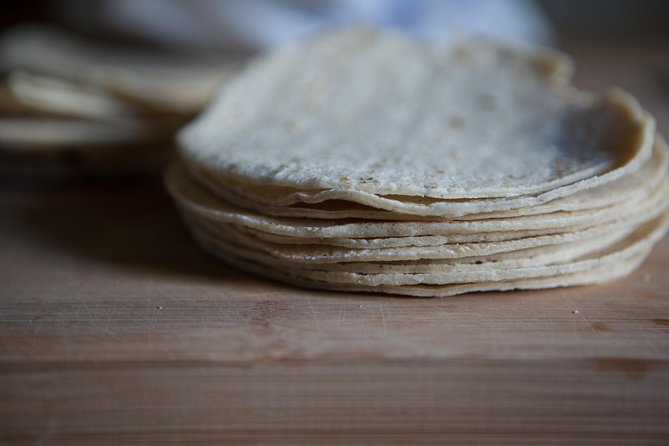
You can expect tips about the food and the process as you work. The instruction is practical rather than overly technical. You may learn how a tortilla should be handled, how fillings are prepared, how salsa ingredients come together, or how a sauce changes the finished dish.
I like this kind of lesson because it gives you a better chance of repeating the food at home. A restaurant meal can show you what Mexican cooking tastes like. Cooking the meal helps you understand how it gets there.
The class also gives you room to ask about Mexican food culture and general travel in Mexico City. If you schedule it near the start of your trip, that conversation can help you get your bearings. One group specifically found the hosts’ travel advice useful, along with the cooking instruction.
The meal after the cooking
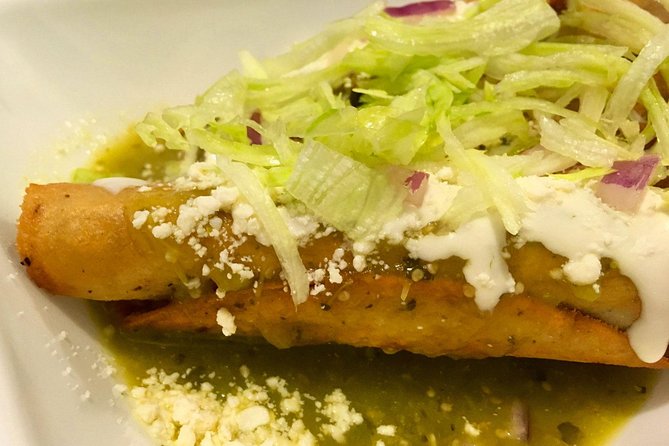
Once the food is ready, you sit down to eat with Alex and Ale. Drinks and alcohol are included, so you do not need to arrange a separate purchase for the meal. The evening moves from work at the bar to a more relaxed meal at the table.
That change in pace is part of the appeal. You begin by meeting strangers in their home, then share a meal that you helped make. Conversation becomes easier because you have already spent time working together.
The food itself is the payoff, but the meal also gives you a chance to ask follow-up questions. You can talk about the ingredients you just used, the dishes you might try at home, or places to eat and visit in Mexico City.
This is not a restaurant replacement. You are paying for a private activity, instruction, food, drinks, and time with local hosts. If you only want a quick meal, the price will feel high. If you want a social evening that combines cooking and cultural exchange, the value is stronger.
Other city tours we've reviewed in Mexico City





Is $160 per person a fair price?
The listed price is $160 per person. That is a sizable amount for a three-hour activity, especially compared with an inexpensive meal in Mexico City. The comparison is not quite like-for-like, though.
The price includes the private cooking class, the meal, alcohol, taxes, fees, and gratuity. You are also paying for a personalized experience rather than joining a large public group. For a couple, family, or small circle of friends, that privacy can make the cost easier to justify.
You should consider what you value most. This experience makes sense if you want:
- A private class rather than a shared group
- Personal attention from the hosts
- A full meal after cooking
- Drinks included in the price
- Help adapting the menu for dietary needs
- A relaxed cultural evening in a local home
It makes less sense if you are looking for professional kitchen equipment, a long technical lesson, or the lowest possible food cost. The apartment is small, and the focus is connection and participation, not culinary-school polish.
The activity is popular enough that it is booked an average of 82 days ahead. If your dates are fixed, plan early. That lead time is especially useful for evening reservations or larger private groups.
The best time to schedule it
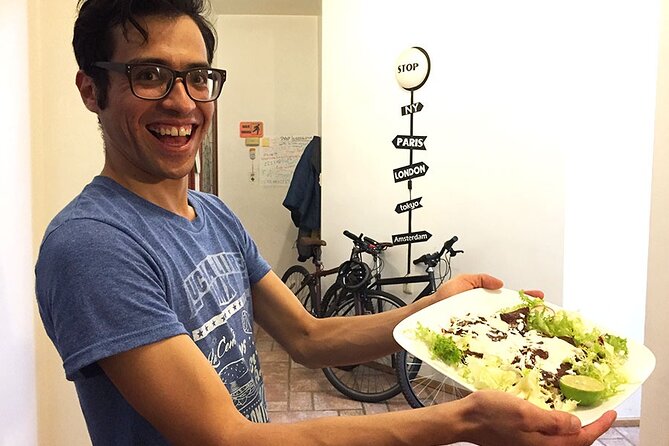
The evening timing is one of the strongest practical features. You can spend your day exploring the Centro Histórico, visiting museums, or walking through other parts of Mexico City, then come to the class later.
I would consider booking it on your first night or early in your stay if you enjoy meeting local people quickly. The hosts can answer general questions about the city, and the meal gives you an easy first taste of Mexican home cooking.
There is one reasonable concern about scheduling it on arrival day. You may be tired after a flight, and the activity requires participation rather than passive sitting. Still, the private format and welcoming pace can make it a comfortable first-night choice if you arrive with enough energy.
The experience starts at the specified meeting point on Calle de Mesones in the Centro Histórico and ends back at the meeting point. Hotel pickup and drop-off are not included, so you need to arrange your own way to and from the start.
Who will enjoy this most
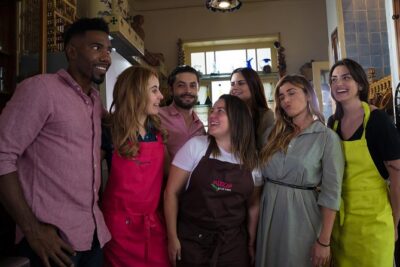
This class suits people who want food to open a door into local life. It is especially good for couples, families, groups of friends, and anyone who prefers a private activity over a large scheduled class.
It also works for mixed cooking abilities. An experienced home cook can ask about technique and ingredients, while a beginner can follow Alex’s patient instructions. The hands-on structure gives everyone something to do.
Food-focused visitors will get the most from the menu. You can learn about mole, salsa, tortillas, flautas, and other familiar Mexican foods in the place where they are actually prepared. If you already eat a lot of Mexican food, do not assume you have nothing to learn. One participant with a strong background in Mexican cooking still found the class full of useful lessons.
The activity is less suitable if you need a highly spacious kitchen, formal chef training, or a guaranteed menu with no seasonal changes. The hosts can accommodate vegetarian preferences and other restrictions when told ahead of time, but you should communicate clearly before arrival.
Practical details that affect your choice
Confirmation is provided at booking, and the experience uses a mobile ticket. It is offered in English and is private for your group only.
The menu may vary by season. The advertised possibilities include picadillo tostadas, enmoladas, flautas, tacos, salsa verde, salsa roja, and sweet corn cake. You should treat these as likely options rather than a fixed promise.
Tell Alex and Ale about allergies, dietary restrictions, and cooking preferences when you book. Vegetarian food is available with advance notice. This is the moment to mention serious allergies, not after you arrive.
Cancellation is free up to 24 hours before the start time for a full refund. Cancellations or changes made less than 24 hours ahead are not accepted for a refund, and the cut-off uses Mexico City local time.
Should you book Alex and Ale’s cooking experience?
I would book this if you want a warm, personal evening built around food rather than a formal cooking course. The strongest reasons are the private setting, patient instruction, adaptable menu, included meal and drinks, and the chance to talk with Alex and Ale about Mexican cooking and Mexico City.
The main caution is the price and the small kitchen. At $160 per person, you should want the full social experience, not just a plate of food. If you do, this can become one of the most memorable evenings of your trip, and you may return home with salsa, mole, or flautas you can actually make again.
FAQ
How long does the cooking experience last?
The experience lasts approximately three hours.
Where does the activity begin?
It begins at Calle de Mesones in the Centro Histórico of Mexico City.
Where does the activity end?
It ends back at the meeting point.
Is the cooking class private?
Yes. Only your own group participates in the activity.
What dishes might I learn to cook?
Possible dishes include picadillo tostadas, enmoladas, flautas, tacos, salsa verde, salsa roja, and sweet Mexican corn cake. The menu may vary by season.
Can I request a particular dish?
Yes. You can tell Alex and Ale when booking if you want to learn a particular Mexican dish.
Is a vegetarian option available?
Yes. A vegetarian option is available, but you should request it when booking.
Are drinks and gratuities included?
Yes. Alcohol, taxes, fees, handling charges, and gratuities are included in the price.
More Private Tours in Mexico City





More City Tours in Mexico City
More Cooking Classes in Mexico City


More tours in Mexico City we've reviewed











Cooking Classes, compared.
 ★ 5.0Mexican Cooking Class with Food Market Visit in Mexico CityFrom $1243 hours 30 minutes (approx.)
 ★ 5.0Essence of Mexico: Authentic Mexican Cooking Class & Market TourFrom $1784 hours 30 minutes (approx.)
 ★ 5.0Mexican Cooking Class & Cocktails in Mexico CityFrom $1323 hours 30 minutes (approx.)
 ★ 5.0Private Mexican Cooking Class with Gastronomic Historian, LuciaFrom $1453 hours (approx.)
 ★ 4.8Mexico City: Mexican Cooking ClassFrom $1213 hours
 ★ 5.0México City: Street Food to Home Cooking Food TourFrom $1104 hours
 ★ 5.03h Cooking Class in Mexico City: 8 Recipes & Bottomless DrinksFrom $1104 hours (approx.)
 ★ 5.0Private San Angel Tour & Cooking Class in Mexico City with LuciaFrom $1555 hours (approx.)
The lists this tour appears in