
Reviewed · WORKSHOPS
Class of Sauces and Tortillas in Mexico City
San Cosme Market is the doorway to this food class, but the real treat comes afterward: you walk to a local home and turn market ingredients into four very different salsas, handmade tortillas, and quesadillas. I like the market-to-table format and the chance to learn practical tricks, such as how to choose tomatoes, tomatillos, peppers, avocados, and spices. I also like that the salsas can suit vegetarians and that you can request a gentler or hotter level of spice.
In This Article
- Key points at a glance
- From San Cosme Market to a Mexican kitchen
- Four sauces, four different lessons
- Making tortillas and quesadillas from scratch
- Lunch, hibiscus water, and mezcal
- What makes the home setting worthwhile
- Price, group size, and overall value
- Who should book this Mexico City cooking class?
- Practical details before you go
- Should you book it?
- FAQ
- Where does the class meet?
- Where does the activity end?
- How long does the experience last?
- Is the class offered in English?
- How many people can join the class?
- What food do you make?
- Is the menu suitable for vegetarians?
- Can I cancel for a full refund?
The main consideration is that this is a small home-based class, not a polished cooking school with a large professional kitchen. You will also eat a lot, especially if you enjoy chips and salsa, so a later meal may be unnecessary. The host is usually identified as Veronica, though some class descriptions name Andrea, so confirm your guide’s name and meeting details before setting out.
Key points at a glance
- Four salsa styles in one class: Make fresh, fried, creamy, and tatemada sauces, with roasting and grinding techniques included.
- San Cosme Market first: Shop for produce, cheese, tortillas, and tostadas while learning how ingredients are selected.
- A home kitchen setting: Walk from the market to the host’s apartment for a relaxed, hands-on cooking session.
- A full vegetarian-friendly meal: Prepare quesadillas with fresh corn tortillas, then eat them with the salsas you made.
- Flexible spice level: Tell the host if you prefer mild salsa, since several peppers can bring serious heat.
- Small groups and English: The maximum is 10 people, and the class is offered in English.
From San Cosme Market to a Mexican kitchen
This experience begins at Mercado de San Cosme, at C. Gabino Barreda 18 in the San Rafael neighborhood of Cuauhtémoc. That location matters. You are not being dropped into a hotel kitchen with ingredients already lined up. You begin where many Mexican meals begin, among market stalls and vendors.
Your host meets you outside the market. The entrance can be easy to find, but it is still smart to arrive with the exact address visible on your phone. The area is served by public transportation, and no private transport is included, so plan your own way to the meeting point.
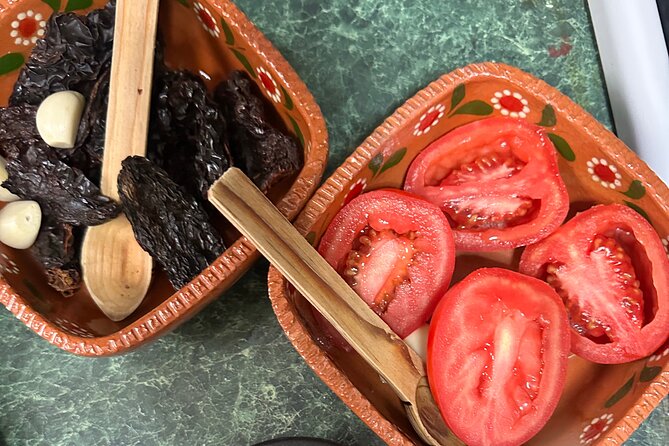
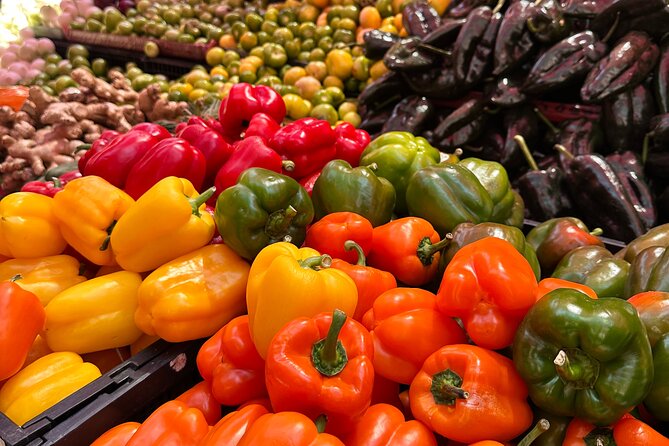
Inside, the market visit is more than a quick grocery stop. You learn how to select the ingredients used in Mexican sauces, including tomatoes, tomatillos, avocados, several types of chiles, and other vegetables. The useful part is the why: ripeness, texture, smell, and the way an ingredient will behave after roasting, frying, or blending.
You may also stop at a tortilla shop for fresh corn tortillas. The class can include Oaxacan cheese and corn tostadas purchased at the market. These details give the food a sense of place, and they also make the lesson more useful at home. You are not simply handed a recipe. You see the raw ingredients and learn what to look for when buying them.
The route includes a stop at a taqueria described as the only Michelin-starred taqueria in Mexico. This is an interesting neighborhood food note, though you should not assume that a full taco meal is part of the stop. The included food centers on the sauces, quesadillas, tortillas, chips, and drinks prepared during the class.
Other city tours we've reviewed in Mexico City



Four sauces, four different lessons
The heart of the class is the salsa work. The sample menu lists fresh, fried, and tatemada sauces, while class details describe four separate recipes. That variety is important because Mexican salsa is not one single thing with different levels of heat.
A fresh salsa gives you the clean, bright side of the subject. A pico de gallo-style preparation may include chopped produce and a crisp texture. A green salsa shows how tomatillos and green chiles can create a sharp, lively flavor.
The tatemada sauce brings roasted ingredients into play. Tatemar means to roast or char, and this cooking method adds smoky notes and softness to peppers and vegetables. You may work with several kinds of chile, depending on the selected recipes and your spice preference.
A fried salsa uses hot oil and cooked chiles to create a fuller, more rounded flavor. One class description includes a fried chile oil salsa, while another mentions cooking and grinding ingredients. This is the sort of technique that can change a simple sauce from raw and sharp to savory and complex.
The fourth sauce may be creamy or include an unusual combination such as mango and habanero. That contrast is part of the appeal. You get to compare fresh, smoky, fried, and creamy textures at the same table, rather than spending two hours repeating the same chopping exercise.
The recipes are designed to be practical. You learn cooking shortcuts, ingredient preparation, and ways to adjust the spice. If you are sensitive to heat, say so before the peppers are chosen or added. Habanero and other chiles can quickly move a sauce from pleasantly warm to uncomfortable.
Making tortillas and quesadillas from scratch
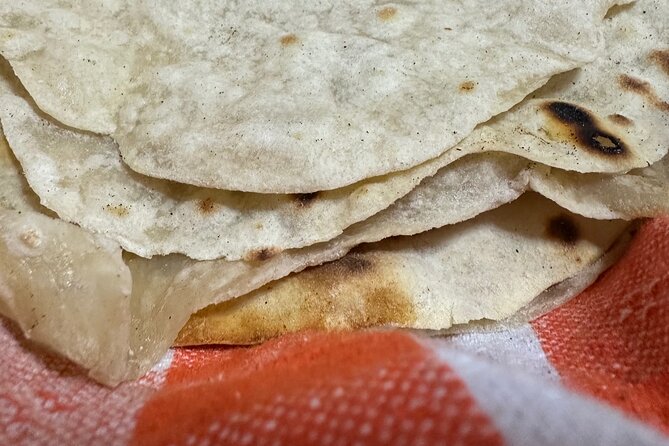
The tortilla portion adds a welcome change of pace. You help prepare the corn dough, shape tortillas, and cook them for the quesadillas. For many people, this will be the most memorable hands-on part because tortillas look simple but require a feel for moisture, pressure, and thickness.
The class is not only about making a perfect round tortilla. It gives you a better understanding of why fresh corn tortillas taste so different from packaged ones. Warm tortillas also provide the ideal tool for trying each sauce as it comes together.
The quesadillas are made with cheese purchased locally, including Oaxaca cheese in some class sessions. This is a meat-free menu, and the salsas are naturally vegan according to the class details. That makes the experience particularly useful for vegetarians, though you should still tell the host about allergies or other food restrictions before the class.
Children can take part as well. The cooking tasks have included children as young as seven, with enough work for adults and kids to participate. A 10-year-old picky eater even found the homemade quesadillas worth trying. That does not mean every child will enjoy every chile, but the tortilla and cheese portion gives younger cooks something familiar to eat.
Lunch, hibiscus water, and mezcal
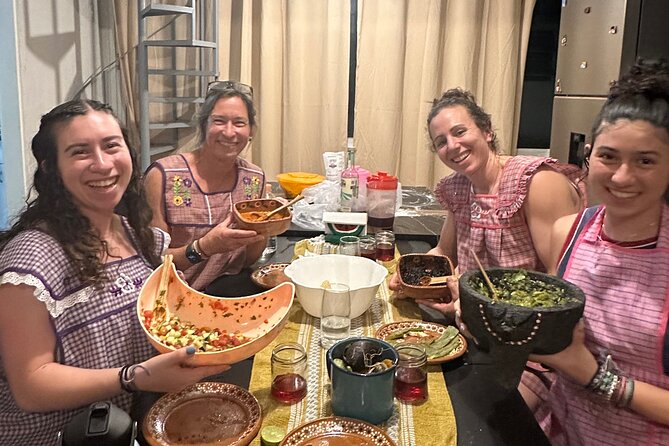
After the cooking comes the part that turns the lesson into a meal. You sit down with the sauces, homemade chips or tostadas, warm tortillas, and quesadillas. The food is substantial. Chips and salsa may sound like a snack, but four sauces followed by quesadillas can easily replace lunch.
The drink choices include agua de Jamaica, a tart hibiscus drink, and horchata. Mezcal is offered as a complement for adults. The hibiscus water receives special attention in the class descriptions, and it is a useful counterpoint to spicy food.
Do not schedule an important restaurant reservation immediately afterward. The class lasts about two hours and 30 minutes, and the meal can leave you full for several hours. A late afternoon class may work well if you want it to serve as dinner, while a morning class can function as a generous breakfast or lunch.
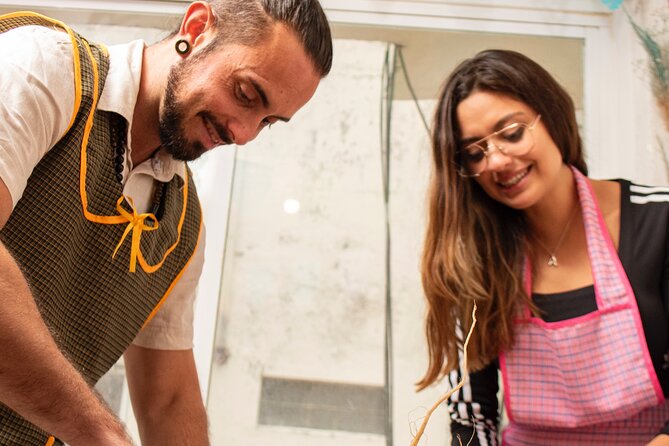
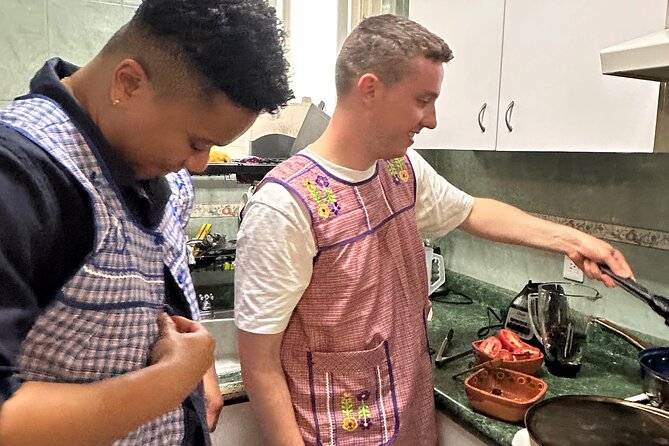
The social setting is part of the meal. Groups may be divided into smaller teams so everyone gets a chance to chop, stir, roast, grind, or shape dough. With a maximum of 10 people, you should have more room to participate than in a large demonstration class, though the exact amount of individual kitchen time depends on the group.
What makes the home setting worthwhile
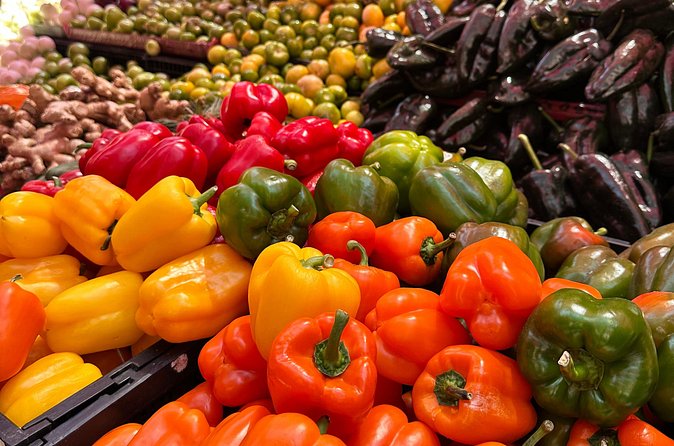
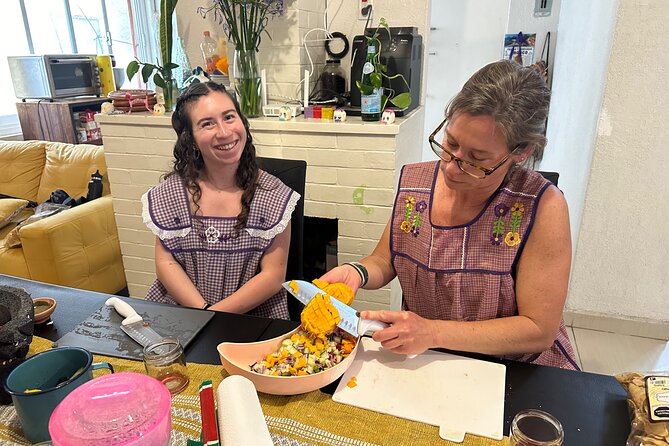
Cooking in the host’s home gives this experience a personal feel. You walk a few blocks from the market rather than moving to a separate tourist venue, and the host prepares some ingredients in advance so the session can keep moving.
That preparation is a practical advantage. You get to work on several salsa styles within two and a half hours instead of spending most of the class waiting for water to boil or vegetables to roast. The tradeoff is that not every single step may be done from start to finish by each person.
The host’s role is also broader than that of a recipe instructor. Veronica has been described as a former language teacher, and the class can include cultural explanations, local landmarks, market traditions, and food vocabulary. English is offered, and the teaching style is meant to stay clear and engaging. Spanish may also be possible in some sessions, but English is the stated tour language.
A home setting is not for everyone. If you want a formal culinary school, individual workstations, or a professional restaurant kitchen, this may feel informal. If you want to cook with a local person, ask questions, play music, and eat in a relaxed setting, it is a strong match.
A few more Mexico City tours and experiences worth a look



Price, group size, and overall value
At $85 per person, this is not the cheapest way to eat salsa and quesadillas in Mexico City. You are paying for more than the ingredients. The price covers a market visit, a guide, kitchen equipment, hands-on instruction, drinks, mezcal, snacks, and a substantial meal.
The value improves if you care about learning techniques you can repeat at home. You leave with ideas for four sauces, tortilla-making practice, ingredient-selection tips, and recipe cards in at least some sessions. If you cook Mexican food often, those lessons may be worth more than a single restaurant meal.
The small maximum of 10 people also helps. A class with only two people can feel almost private, while a full group still remains manageable. Families, couples, solo visitors, and friends can all fit into the format.
There are limits. Private transportation is not included, and the experience begins and ends at the San Cosme Market meeting point. You must also be comfortable walking from the market to the home kitchen. The activity is offered in English, but you should provide any food restrictions in advance so the ingredients and spice level can be adjusted.
The experience is often booked about 14 days ahead. That is useful planning information if your Mexico City schedule is tight. Free cancellation is available up to 24 hours before the start time for a full refund. Changes or cancellations inside that window are not accepted for a refund.
Who should book this Mexico City cooking class?
I would put this high on the list for people who want food knowledge they can take home. You will get the most from it if you enjoy asking why a recipe works, comparing chile flavors, and learning how market ingredients become a finished meal.
It also suits families. There are simple jobs for children, the quesadillas offer a familiar fallback, and the class provides enough food for everyone. Parents should still explain the spice issue clearly, since some sauces can be hot.
Vegetarians have a particularly good reason to book. The menu is suitable for vegetarians, and the salsas are naturally vegan. Cheese quesadillas provide the main cooked dish, while the sauces offer plenty of variety without meat.
Solo visitors should not worry about being out of place. The team-based format gives you a natural way to meet people, and a small booking may turn into a more personal class. Couples and friends will find it easy to share the work and compare their favorite sauce.
You may want to skip it if you dislike spicy food, do not enjoy eating a large meal, or prefer a strictly professional kitchen. You can request less heat, but this remains a chile-centered class. It is also not the right choice if you need private transport arranged from your hotel.
Practical details before you go
Bring your booking confirmation and phone. The experience uses a mobile ticket, and the meeting point is the San Cosme Market at C. Gabino Barreda 18, San Rafael, Cuauhtémoc, Mexico City.
Wear comfortable clothes and shoes suitable for a market visit and a short walk. The activity ends where it begins, so you will need to make your own way back or continue exploring the neighborhood from the market.
Tell the host about allergies, dietary restrictions, and your preferred spice level before cooking begins. Service animals are allowed, and public transportation is nearby.
The experience receives a five-star rating from 38 published ratings, with 100 percent recommending it. I would treat that as a sign of consistent satisfaction, especially around the host, food, and teaching, but the format still depends on enjoying a home kitchen and a communal meal.
Should you book it?
Book this class if you want a friendly, useful introduction to Mexican sauces rather than a simple tasting. The San Cosme Market visit, four salsa techniques, fresh tortillas, Oaxaca cheese quesadillas, Jamaica or horchata, and mezcal make the $85 price easier to justify.
It is an especially good choice for vegetarians, families with food-curious children, and anyone who wants to recreate part of the trip at home. Tell the host to reduce the heat if needed, arrive hungry, and leave room in your schedule after lunch.
Skip it if you want a restaurant meal with no participation or if a home-based setting feels uncomfortable. For everyone else, this offers a tasty way to connect Mexico City’s market life with the food on your plate.
FAQ
Where does the class meet?
The class begins at Mercado de San Cosme, located at C. Gabino Barreda 18, San Rafael, Cuauhtémoc, 06470 Ciudad de México, CDMX, Mexico.
Where does the activity end?
The activity ends back at the San Cosme Market meeting point.
How long does the experience last?
The class lasts approximately two hours and 30 minutes.
Is the class offered in English?
Yes. English is one of the offered languages.
How many people can join the class?
The maximum group size is 10 people.
What food do you make?
You make several types of salsa, including fresh, fried, creamy, and tatemada styles, along with corn tortillas and quesadillas.
Is the menu suitable for vegetarians?
Yes. The menu can accommodate vegetarians, and the salsas are naturally vegan. You should still share specific restrictions in advance.
Can I cancel for a full refund?
Yes. You can cancel at least 24 hours before the local start time for a full refund. Cancellations or changes made less than 24 hours before the start time are not accepted for a refund.
More Workshops & Classes in Mexico City
More City Tours in Mexico City


More tours in Mexico City we've reviewed









Workshops, compared.
 ★ 5.0Mexican Cooking Class with Food Market Visit in Mexico CityFrom $1243 hours 30 minutes (approx.)
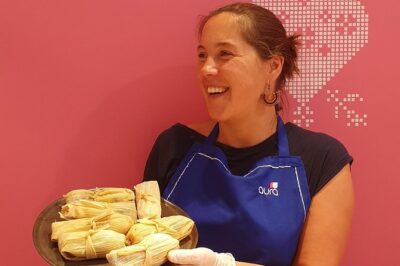 ★ 5.0Essence of Mexico: Authentic Mexican Cooking Class & Market TourFrom $1784 hours 30 minutes (approx.)
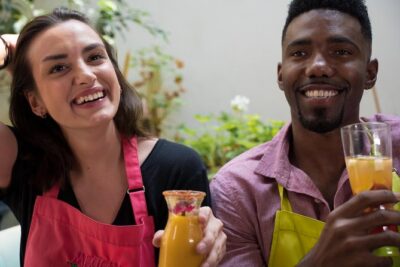 ★ 5.0Mexican Cooking Class & Cocktails in Mexico CityFrom $1323 hours 30 minutes (approx.)
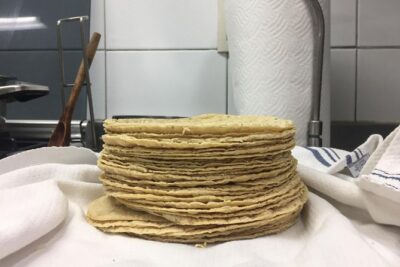 ★ 5.0Private Mexican Cooking Class with Gastronomic Historian, LuciaFrom $1453 hours (approx.)
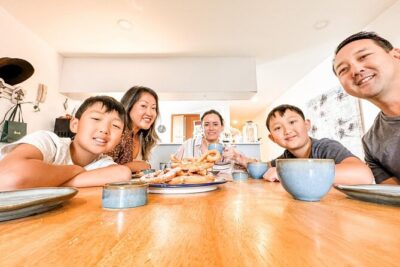 ★ 5.0Mexican Churros Master ClassFrom $702 hours (approx.)
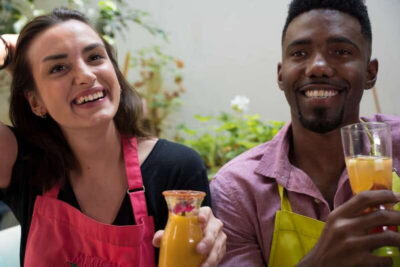 ★ 4.8Mexico City: Mexican Cooking ClassFrom $1213 hours
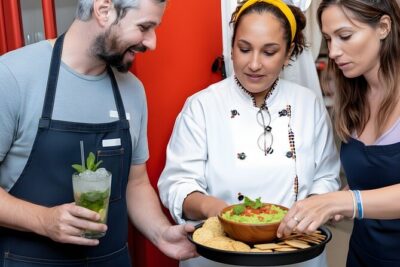 ★ 5.03h Cooking Class in Mexico City: 8 Recipes & Bottomless DrinksFrom $1104 hours (approx.)
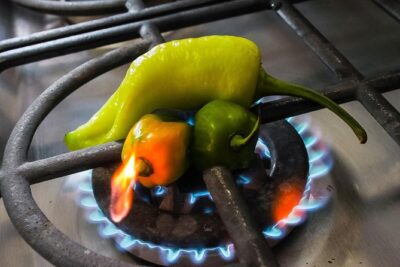 ★ 5.0Private San Angel Tour & Cooking Class in Mexico City with LuciaFrom $1555 hours (approx.)
The lists this tour appears in