
Reviewed · HISTORICAL TOURS
LGBTIQ+ History of Mexico private tour
Mexico City’s LGBTIQ+ story is written into its grandest public spaces. This private walking tour links Aztec cosmology, colonial punishment, the Baile de los 41, Frida Kahlo, Juan Gabriel, and the first Pride protests through eight stops in the Historic Center. It is less a sightseeing loop than a new way to read the city.
In This Article
- Key points to know before booking
- Mexico City’s queer past begins at the Zócalo
- Coyolxauhqui and Indigenous ideas about identity
- The Cathedral and the cost of colonial control
- Madero Avenue and the story behind the Baile de los 41
- La Opera connects diversity with the Revolution
- The Historic Center and the first openly queer public figures
- Alameda Central and Mexico’s best-known queer icons
- Marrakech Salon and the rise of Pride activism
- What the private format adds at $93.84
- Walking, pickup, weather, and timing
- Who will get the most from this experience
- Should you book the LGBTIQ+ History of Mexico tour?
- FAQ
- How long does the LGBTIQ+ History of Mexico tour last?
- Where does the tour begin?
- Where does the tour end?
- Is hotel pickup available?
- Is the tour offered in English?
- Are food and drinks included?
- Can I cancel for a refund?
I like the clear historical sweep, from pre-Hispanic ideas about gender and sexuality to modern human-rights activism. I also like the personal format: your own group, an English-speaking guide, snacks, a pulque tasting or another drink, and a queer souvenir. The main drawback is the pace. Three to four hours with considerable standing and walking can feel demanding, and the subject matter needs a guide who handles nuance well.
Key points to know before booking
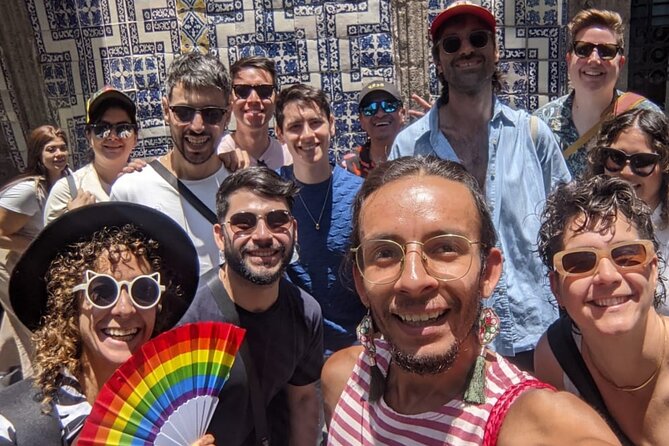
- Eight central stops: The route moves from the Zócalo and Coyolxauhqui to the Cathedral, Madero Avenue, Alameda Central, and a final stop at Marrakech Salon.
- Private means flexible: Only your group takes part, and the guide may be able to adjust the experience. Cami, one guide associated with the tour, has been praised for adding time in neighborhoods and ending in Zona Rosa when requested.
- A serious history lesson: You will cover Indigenous beliefs, colonial sodomy laws, transgender and intersex figures, the Baile de los 41, queer artists, and early Pride activism.
- Food and drink are included: Snacks, bottled water, and a pulque tasting or another alcoholic beverage are part of the package.
- Expect a walking tour: The route includes long periods on foot and standing. Wear comfortable shoes and plan for changing weather.
- The advertised price is $93.84 per person: That is a fairer deal for two or more people sharing a private guide than for a solo visitor, especially if pickup and transport are important to you.
Mexico City’s queer past begins at the Zócalo
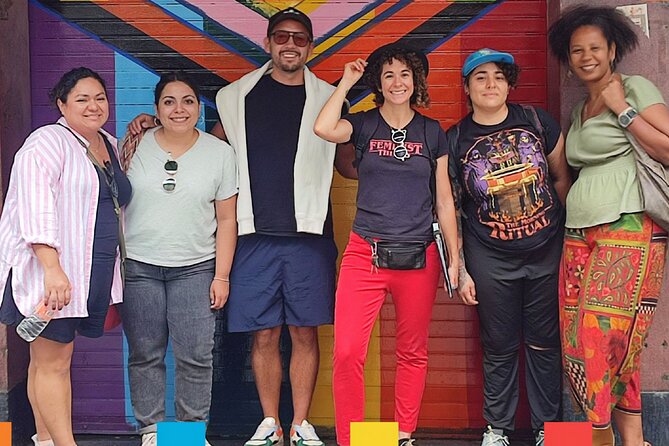
Meet at the Museo Archivo de la Fotografía on República de Guatemala in the Historic Center, unless you book the private option with transportation and pickup from your accommodation. The tour begins near the Zócalo, Mexico City’s great central square, where the guide sets the scene with pre-Hispanic cultures including the Aztecs, Maya, Toltecs, and Totonacs.
The point is not to force modern labels onto ancient societies. Instead, you will look at how cosmogony, social roles, sexuality, and ideas about the body worked in different Indigenous cultures. That framing matters. It gives you a fuller starting point than the familiar colonial and modern chapters.
At the Zócalo, you are in a place where layers of Mexico City sit almost on top of one another. The tour uses that setting to ask how public power, religion, and social order shaped private life. Admission is free, and the stop lasts about 20 minutes.
You should expect discussion rather than a museum visit here. If you want a tour packed with interior access and formal displays, this will not fit that need. If you want help noticing the cultural ideas behind the buildings and plazas around you, the opening works well.
Other private tours in Mexico City

Coyolxauhqui and Indigenous ideas about identity
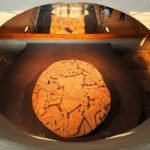
The next stop, Coyolxauhqui, continues the pre-Hispanic section. Your guide explains how Native cultures viewed homosexual practices, sexuality, and gender identity. The stop lasts roughly 20 minutes and does not require an admission ticket.
This part can be especially useful because many quick city tours begin the story with Spanish rule. Here, the conversation reaches further back and makes clear that ideas about sexuality in Mexico did not begin with European arrival. At the same time, you should listen for distinctions between different cultures. The Aztecs, Maya, Toltecs, and Totonacs did not share one single set of beliefs.
The quality of this stop will depend heavily on how your guide presents evidence and uncertainty. Ask questions if you want to separate known historical material from later interpretation. A private tour gives you room to do that without worrying about holding up a large group.
The Cathedral and the cost of colonial control
At the Catedral Metropolitana de la Ciudad de México, the tour turns to colonial Mexico. The main questions are direct: how was diversity treated under Spanish rule, how was sodomy punished, and which people shaped this period?
The cathedral is an effective place to discuss the collision between Catholic authority, colonial law, and Indigenous customs. You are not simply looking at a famous façade. You are considering how institutions defined acceptable behavior and how punishment reinforced those rules.
The stop takes about 20 minutes and is free from an admission standpoint. Since the route is outdoors and in public spaces, your experience may be affected by crowds, street noise, weather, or ceremonies around the cathedral. That is worth remembering if you prefer quiet, controlled settings.
This section may be emotionally heavier than the opening. The guide is dealing with repression and punishment, not only colorful anecdotes. I would choose this tour for the chance to hear that difficult material in context, not for a light afternoon of famous names.
Madero Avenue and the story behind the Baile de los 41
Avenida Francisco I. Madero brings the tour into the first century of independent Mexico. The subjects widen to transgender figures, intersexuality, Mexican dandies, and homosocial relationships. The stop lasts about 40 minutes, making it one of the longer parts of the route.
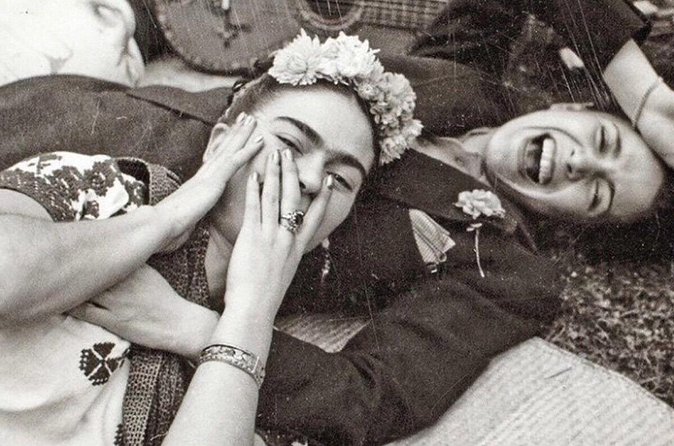
The centerpiece is the Baile de los 41, one of the best-known episodes in Mexico’s queer past. You will examine what happened at the gathering, how the event was treated in public discussion, and why its memory lasted. The tour also looks beyond the famous number to the social codes around dress, friendship, masculinity, and public reputation.
This is a good example of why a private guide can add value. A basic city walk might point out a street and move along. Here, the location becomes a prompt for a discussion about class, gender presentation, and the way scandal can become historical myth.
The stop is free, but it is still a substantial commitment of time and attention. You will be standing in a busy central corridor, so comfortable shoes and patience help. If the subject interests you, the 40 minutes should feel worthwhile. If you mainly want photos of Madero Avenue, the pace may feel slow.
La Opera connects diversity with the Revolution
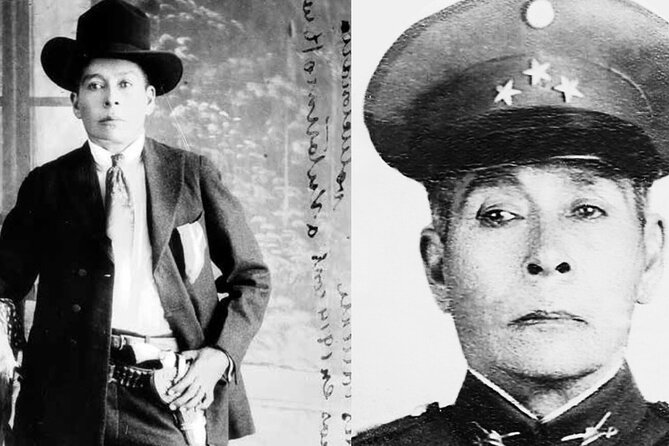
At La Opera, the discussion moves into the Mexican Revolution and its social world. The guide covers diversity during the revolutionary period, Emiliano Zapata, and the first transgender person to receive official recognition. The stop lasts about 20 minutes, and admission is included.
This is one of the tour’s more unusual choices. Instead of treating the Revolution only as a story of armies and political leaders, the route asks how gender and sexuality fit into a period of major upheaval. The location also gives the discussion a restaurant setting rather than another grand plaza or government building.
The package includes snacks and an alcoholic beverage, listed as a pulque tasting or another drink. Bottled water is included as well. Because the exact food and drink experience can vary, I would think of these as useful additions rather than the main reason to book.
If you do not drink alcohol, check how the alternative beverage will be handled when you arrive. The tour information promises an alcoholic beverage, but it does not specify the nonalcoholic option.
Other historical tours in Mexico City

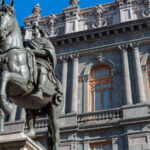

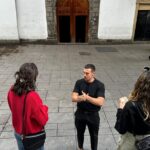
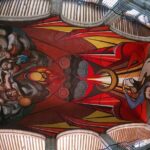
The Historic Center and the first openly queer public figures
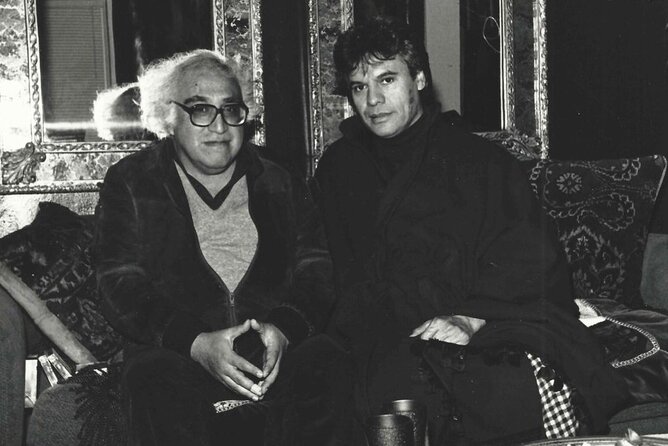
The Historic Center stop lasts around 30 minutes and looks at modern Mexico. The guide introduces some of the first openly homosexual figures in Mexican history, their artwork, links with international queer icons, and the early beginnings of cruising.
This section moves from laws and public scandal toward self-expression and community. Art becomes a key way to understand how queer identity entered public life. The reference to international icons also places Mexico City in a wider conversation, without losing sight of local figures.
Cruising is another topic that benefits from careful explanation. The tour treats it as part of the history of meeting places and community formation, not merely as a sensational detail. You can ask the guide how public attitudes and urban spaces changed over time.
There is no admission charge for this stop. As with the other central locations, you will be outdoors and on foot. The route works best if you are comfortable listening while standing and moving between busy public areas.
Alameda Central and Mexico’s best-known queer icons
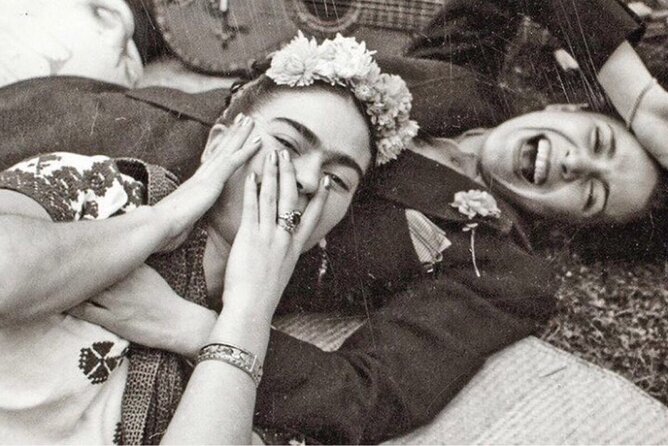
At Alameda Central, the tour gives about 40 minutes to famous queer figures and the stories built around them. Frida Kahlo, Chavela Vargas, Juan Gabriel, and others come into focus, along with the myths and facts attached to their public images.
You will likely recognize some names. The value here is in looking past the postcard version. Frida Kahlo is often reduced to a few symbols. Chavela Vargas and Juan Gabriel also carry large public myths. A good guide can help you consider how art, performance, fame, gender, and sexuality overlap without pretending that every question has a simple answer.
Alameda Central is an open public park, and no admission ticket is included or needed for the stop. It is also a place where weather and street conditions matter. Bring water, use sun protection when needed, and wear shoes suited to several hours outside.
This is another long stop, so the tour is not a rapid checklist. I like that the schedule allows time for names you may already know to gain more context. The tradeoff is that anyone with limited mobility or a short attention span may prefer a shorter private walk.
Marrakech Salon and the rise of Pride activism
The official tour ends at Marrakech Salon on República de Cuba, after about 20 minutes devoted to the first Pride protests in Mexico and the main LGBTIQ+ human-rights activists. This final chapter brings the earlier themes into the present.
The location gives the tour a social finish rather than ending beside a monument. You have moved from ancient cosmology and colonial control through public scandal, art, and community life. The closing discussion shows how organized protest and human-rights work changed the public conversation.
The tour officially ends here, but you may be invited to continue to a nearby restaurant for pulque. That extra drink is optional, which is helpful if you have another plan or do not want to extend the afternoon.
The endpoint is near public transportation. If your schedule continues elsewhere in Mexico City, that makes Marrakech Salon a practical place to finish. The tour does not promise a specific onward route, so you will need to arrange your own transportation after the activity.
What the private format adds at $93.84
At $93.84 per person, the price needs to be judged against the format. This is a private experience, not a large group walk. Your guide can focus on your questions, adjust the pace within reason, and spend more time on the parts that interest you most.
For two or more people, the value is easier to see. You share the private guide, receive snacks and bottled water, taste pulque or another alcoholic beverage, and take home a queer souvenir. Transportation is available only with the option that includes private transport, so check the selected option carefully before paying.
For one person, the price is less economical. You are still paying for privacy and a specialist subject, but the cost per person is higher than it would be for a shared group outing. The tour is best for someone who values conversation and a focused subject more than the lowest possible price.
One particularly useful sign is the flexibility associated with Cami. If Cami leads your tour, you may be able to discuss a neighborhood or endpoint that matters to you. One outing included a drive through areas the guest had hoped to see and ended in Zona Rosa, along with tacos al pastor. That kind of personal care can make a private experience feel far more worthwhile, but it should not be treated as a guaranteed part of every booking.
Walking, pickup, weather, and timing
The tour lasts approximately three to four hours. That includes eight stops, repeated walking between sites, and plenty of standing. Plan for a half-day, even if the scheduled talks themselves look short on paper.
Pickup depends on the option you choose. With private transportation, the operator can depart from your accommodation. Otherwise, meet at the Museo Archivo de la Fotografía, República de Guatemala 34, in the Historic Center.
The guide is expected to text the lead person the day before the tour to confirm the meeting or pickup point, time, and number of people. Keep your phone available and make sure the booking contact details are correct.
The tour is offered in English. Service animals are allowed, and the route is near public transportation. Most people can participate, but the considerable walking and standing are real considerations, not fine print to ignore.
Good weather is required. If poor weather cancels the activity, you will be offered another date or a full refund. You can also cancel for a full refund up to 24 hours before the start time. Cancellations or changes made within 24 hours are not refunded or accepted.
Who will get the most from this experience
I would choose this tour if you want Mexico City history told through LGBTIQ+ lives, public spaces, art, law, and activism. It suits first-time visitors who want a different angle on the Historic Center, as well as repeat visitors looking beyond the usual Aztec, colonial, and revolutionary story.
It is also a strong fit for couples, friends, and small groups who want to ask direct questions. The private setting is especially useful when your interests are specific, such as gender identity in Indigenous cultures, queer art, the Baile de los 41, or the beginnings of Pride activism.
I would hesitate if you dislike long conversations, outdoor walking, or difficult historical subjects. This is not a nightlife tour, and it is not built around visiting many interiors. It is a guided interpretation of places you mostly see from the street.
Bring comfortable shoes, water-friendly clothing for the weather, and enough time to stay engaged. Even with bottled water and snacks included, you will appreciate being prepared for several hours outside.
Should you book the LGBTIQ+ History of Mexico tour?
Book it if you want a private, English-language history walk that connects Mexico City’s public spaces with queer lives and activism. The route covers an unusually broad period, and the combination of serious history, well-known artists, pulque, snacks, and a queer souvenir gives the afternoon a human touch.
The strongest reason to choose it is the guide-led conversation. If your guide is as attentive as Cami has been, the experience can adapt to your interests and even extend beyond the planned route. The main caution is physical and practical: expect considerable walking, standing, outdoor conditions, and a discussion that sometimes deals with punishment and discrimination.
For the right person, $93.84 buys more than a sequence of landmarks. It buys time to ask how Mexico’s ideas about gender, sexuality, fame, religion, and protest have changed. That makes this a worthwhile choice for a visitor who wants the Historic Center to tell a more personal story.
FAQ
How long does the LGBTIQ+ History of Mexico tour last?
The tour lasts approximately three to four hours.
Where does the tour begin?
The standard meeting point is Museo Archivo de la Fotografía, República de Guatemala 34, in Mexico City’s Historic Center.
Where does the tour end?
The official endpoint is Marrakech Salon, República de Cuba 18, in the Historic Center. You may also be invited to continue to a nearby restaurant for pulque.
Is hotel pickup available?
Pickup is available when you select the private option with transportation. Otherwise, you meet at the stated Historic Center meeting point.
Is the tour offered in English?
Yes. The experience is offered in English.
Are food and drinks included?
Snacks, bottled water, and an alcoholic beverage are included. The beverage may be a pulque tasting or another drink, depending on the experience.
Can I cancel for a refund?
Yes. You can cancel at least 24 hours before the start time for a full refund. Cancellations or changes made less than 24 hours before the tour are not refunded or accepted.
More Historical Tours in Mexico City
More Private Tours in Mexico City


More tours in Mexico City we've reviewed



Historical Tours, compared.
 ★ 5.0Historic Downtown Walking TourFrom $263 hours (approx.)
 ★ 5.0Historic Center Food Tour in Mexico CityFrom $1155 hours (approx.)
 ★ 4.8Mexico City: Historic Downtown Walking TourFrom $263 hours
 ★ 5.0Walking Tour of the Historic Center of Mexico City3 hours (approx.)
 ★ 5.0Mexico City Historical Centre Food Tour with 7 Authentic TastingsFrom $653 hours (approx.)
 ★ 5.0Walking Tour in Mexico City for Exploring their Cultural HeritageFrom $252 to 3 hours (approx.)
 ★ 5.0Walking Tour – Impressive murals in Historical Center of Mexico CityFrom $511 to 3 hours (approx.)
 ★ 4.5Mexico City: Guided walking tour through the most historic parts of the city.From $303 hours
The lists this tour appears in