
Reviewed · CHAPULTEPEC & MUSEUM TOURS
Mexico City: Guided Visit of the Museum of Anthropology
The Aztec Sun Stone is the star of this visit, but it makes more sense when you see it alongside the tools, pottery, and ritual objects that explain how Mesoamerican societies lived. A guide helps connect those pieces instead of leaving you to read labels in isolation.
In This Article
- Key points to know
- Why the National Museum of Anthropology matters
- Seeing the Sun Stone with context
- From spearheads to everyday pottery
- A 2.5-hour route through the museum
- What the guide adds
- How the free time affects the value
- Is $62 per person a fair price?
- Who should book this museum visit?
- Should you book this tour?
I like the tour’s clear focus on Mexico’s archaeological past, and I like that your ticket includes both a guided visit and free time afterward. The main thing to consider is the price: at $62 per person, this is worth it if you want context and a structured introduction, but less so if you prefer to wander through museums independently.
Key points to know
- The Sun Stone anchors the visit: Learn why this famous Aztec object is more than a simple calendar.
- The collection reaches back over 10,000 years: See early spearheads, domestic pottery, and objects tied to religious life.
- Your guide provides the thread: The tour links separate cultures, sites, and objects into a readable story.
- You get free time after the guided portion: Return to the rooms that catch your interest instead of leaving when the guide finishes.
- The tour lasts about 2.5 hours: That is enough for a strong introduction, though not enough to see every room carefully.
- Transportation is not included: You meet at or near the museum, with the exact point depending on the option you book.
Why the National Museum of Anthropology matters
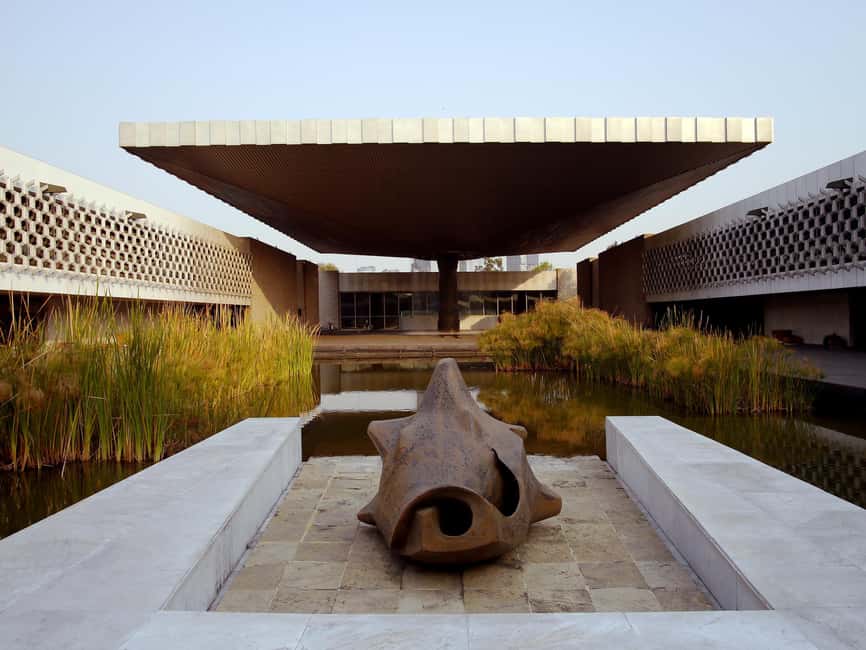
Mexico City’s National Museum of Anthropology is not simply a building filled with old objects. It was created to protect and explain the cultural legacy of Mexico’s Indigenous peoples, and it remains one of the country’s key cultural institutions more than 50 years after opening.
The museum receives about 2 million visitors each year. That number tells you something useful: this is a major stop, not a small specialist collection you can skim in half an hour. It also means the building and its exhibits carry national importance, so a visit can help you understand Mexico beyond its food, colonial churches, and modern city streets.
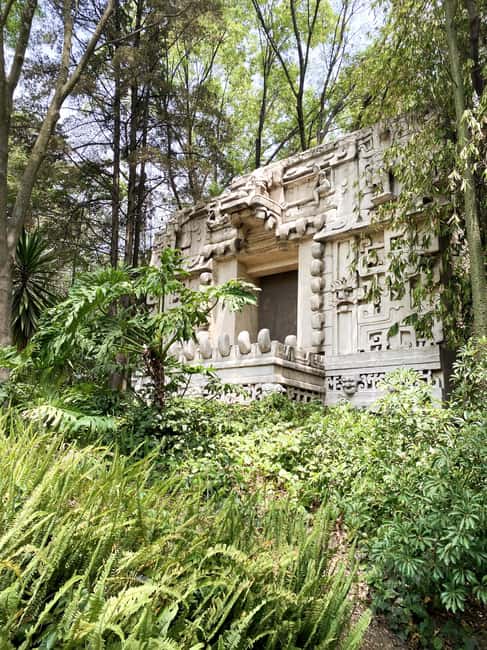
The collection covers a large part of what is now Mexico. Different societies developed in different places and periods, with their own customs, beliefs, artistic styles, and political systems. A good guide helps you see those differences instead of treating pre-Columbian Mexico as one single civilization.
That distinction matters. The Aztecs, Maya, and Zapotecs are often grouped together by first-time visitors, but they were not one culture. Their objects reveal different ways of organizing daily life, worship, trade, and power.
A few more Mexico City tours and experiences worth a look
Seeing the Sun Stone with context
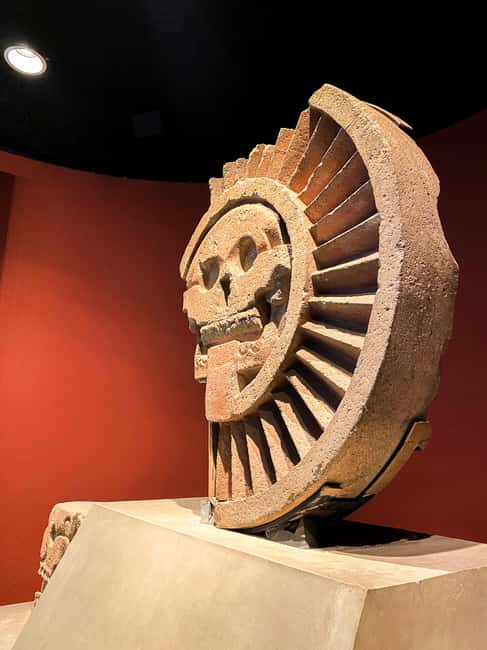
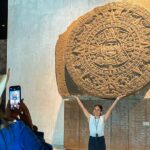
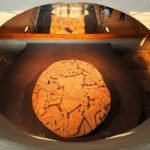
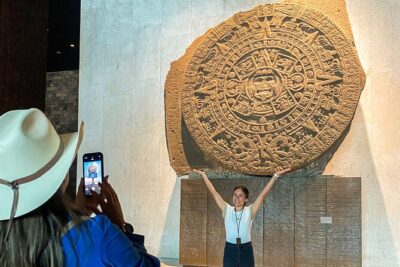
Most people arrive with one object in mind: the famous Sun Stone, often called the Aztec calendar. It is an understandable choice. The large carved stone is one of Mexico’s best-known archaeological objects, and its circular design is easy to recognize from books and photographs.
The value of seeing it with a guide is the explanation. The stone is not merely a giant calendar hanging on a wall. Its carved symbols reflect Aztec ideas about time, religion, and the order of the universe. Your guide can explain what the imagery means and why historians have had to rethink parts of Mesoamerican development as new discoveries came to light.
You should also resist the temptation to rush through the surrounding rooms once you have seen the star object. The Sun Stone is memorable, but the smaller pieces give you a better sense of ordinary life. They show how people worked, prepared food, hunted, made offerings, and expressed beliefs.
The tour’s emphasis on interpretation is especially helpful here. Without context, a carved symbol can remain only a striking pattern. With an explanation of its role, it becomes evidence of how a society understood its world.
From spearheads to everyday pottery
One of the most useful parts of the visit is the range of objects on display. You will see small spearheads associated with the continent’s first hunters, dating back more than 10,000 years. They are not as visually dramatic as the Sun Stone, but they offer a direct link to the earliest people represented in the museum.
A spearhead also changes the scale of the story. Instead of thinking only about rulers, temples, and monumental art, you begin with practical survival. A carefully shaped point required skill, planning, and knowledge of available materials. It also hints at the movement, hunting, and daily work that shaped early communities.
The pottery and clay utensils bring the story closer to home. Some were used in ordinary household tasks, while others carried symbolic meaning in rituals and religious ceremonies. That mix is important. In many societies, an object could be useful and sacred at the same time.
I recommend paying attention to how the collection moves between the ordinary and the ceremonial. A cooking vessel may tell you about food preparation, while a decorated object can reveal beliefs about death, gods, or offerings. Taken together, these pieces make the past feel less remote.
The guide’s job is not just to identify objects. It is to explain what they tell you about people. That is where the $62 price can make sense, especially if you have limited time in Mexico City or are not comfortable interpreting archaeological displays on your own.
A 2.5-hour route through the museum
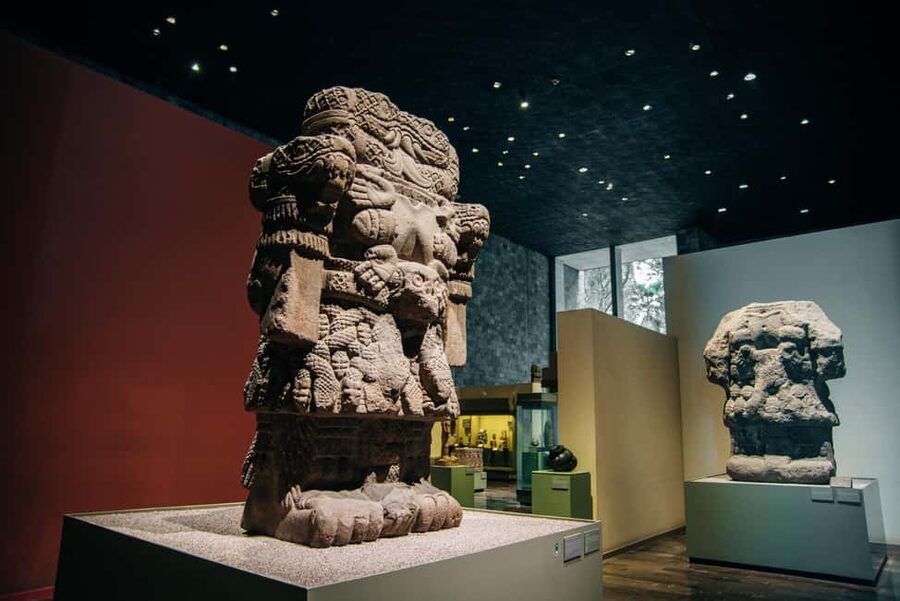
The planned visit lasts about 2.5 hours, including the guided museum portion, walking between exhibits, and time to look around. That is a useful middle ground. You get more than a quick orientation, but the schedule is short enough to fit into a busy day in Mexico City.
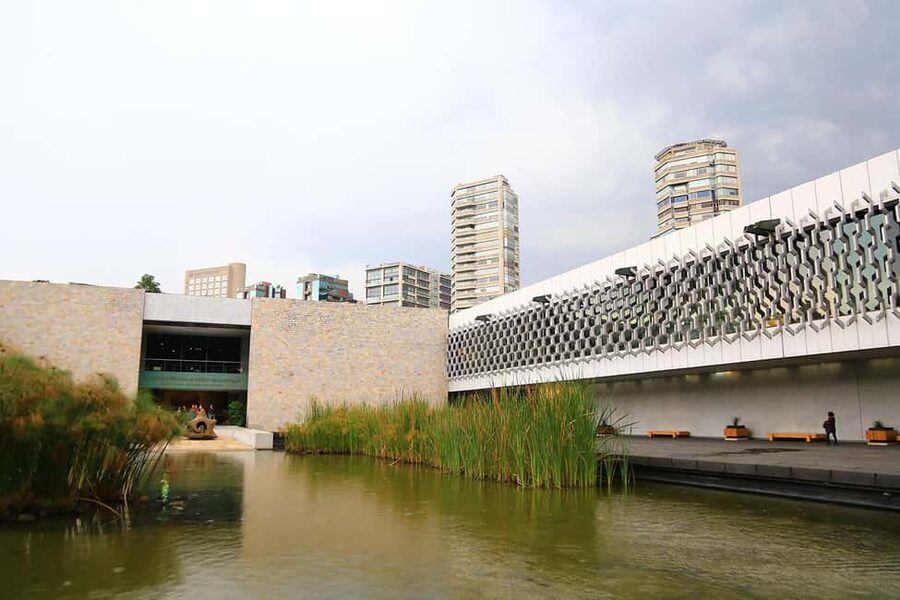
The museum visit begins at the National Museum of Anthropology, near Avenida Paseo de la Reforma and Calzada Mahatma Gandhi. The meeting point can vary according to the option you book, so check the exact instructions before you set out. Transportation and pickup are not included.
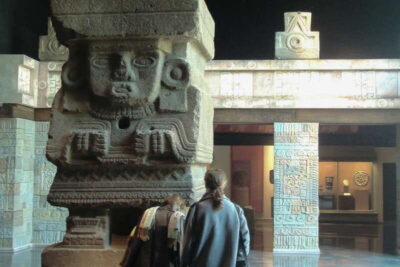
Once inside, expect a walk through selected exhibitions rather than a room-by-room study of the entire museum. Your guide will point out notable archaeological objects and explain the cultures connected with them. The focus is on Mexico’s pre-Columbian societies and the evidence left behind at archaeological sites.
The first part of the visit builds a broad timeline. You may move from very early tools to pottery and objects from later civilizations. This helps you understand change over time, rather than seeing every piece as belonging to one distant era.
The middle part usually carries more visual weight, with major objects and the better-known civilizations receiving attention. The Aztec, Maya, and Zapotec worlds are especially important in the tour’s explanation. You will learn that each had its own story and legacy, rather than being interchangeable examples of ancient Mexico.
The final part brings you to the Sun Stone and other major pieces. This is likely to be the moment when the separate details begin to connect. After the guided portion, you receive free time to return to rooms or objects that interest you most.
That free time is one of the strongest features of the plan. A guide-led visit gives you direction, but personal time lets you slow down. If a smaller object catches your attention, you do not have to choose between following the group and seeing what you came for.
What the guide adds
You can visit the museum without a guide, but the collection is large and the historical links are not always obvious at first glance. A live guide provides a route and a filter. Instead of trying to decide which of hundreds of objects deserve your attention, you receive a focused introduction.
The tour is offered in English or Spanish. That choice matters because archaeological displays depend on precise explanations. If you understand the language comfortably, you can spend your attention on the ideas rather than translating labels in your head.
Expect the guide to explain the importance of individual objects, the societies that created them, and the way archaeologists use discoveries to revise older ideas. The emphasis is not only on what an object looks like, but on how it fits into a larger account of human life in Mexico.
A guide can also help with scale. A small spearhead may represent more than 10,000 years of human activity, while a large ceremonial stone may express the beliefs of a powerful later society. Without that comparison, it is easy to judge importance by size alone.
The availability of a private group is another useful option. The supplied details do not specify the size or cost of a private group, so you should confirm those points before booking. Still, a private format may suit families or groups who want to ask more questions or move at their own pace.
Other guided tours in Mexico City



How the free time affects the value
The guided segment gives you structure, while the free period gives you control. That combination is better than a tour that ends the moment the guide finishes speaking.
Use the free time to revisit the Sun Stone if you want another look after hearing the explanation. The first glance may focus on its shape and scale. A second look can help you notice the symbols and patterns your guide discussed.
You can also spend more time with the less famous objects. The museum’s smaller tools, clay vessels, and ritual pieces help balance the famous monuments. They show how people lived day to day, not just how leaders wanted to be remembered.
The free period is also important because 2.5 hours is not enough for every room in detail. That is not a flaw, but you should understand the tradeoff. This visit works best as a guided introduction with time to follow your own interests, not as a complete study of the museum.
If you already know the museum well, you may find the general introduction less useful than an independent visit focused on a particular culture or period. If this is your first visit, the guided structure is easier to justify.
Is $62 per person a fair price?
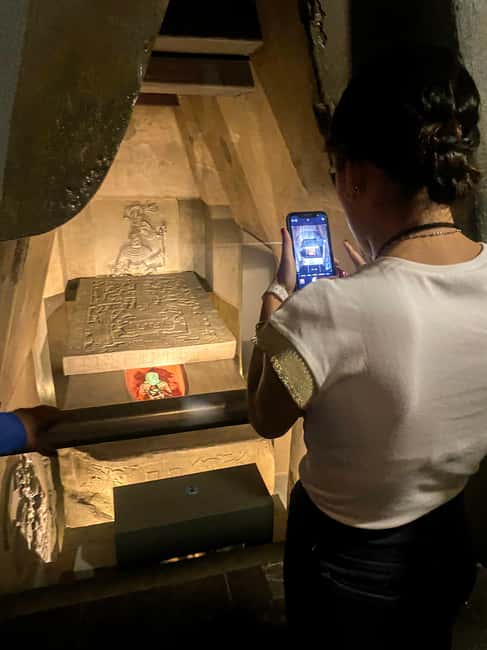
At $62 per person, the tour sits above the cost of simply entering a museum on your own. The price includes admission and a live guided tour, but not transportation or pickup. You are paying mainly for interpretation, organization, and the chance to ask questions during the visit.
The value depends on how you use your time. If you have only one afternoon for Mexico City’s archaeological story, a guide can help you see the most important objects without wandering through a very large collection. The Sun Stone, early hunting tools, domestic pottery, and ceremonial objects become part of one readable story.
The price is harder to defend if you enjoy reading every label at your own speed or already have a strong background in Mesoamerican cultures. In that case, the tour’s route may feel too selective, and you may prefer to spend longer with a narrow set of rooms.
The included free time improves the calculation. You are not limited to a quick guided walk, and you can continue looking after the explanations finish. The ability to book a private group may also be useful, though you will need to check the applicable details for that option.
Free cancellation up to 24 hours before the visit and the option to reserve now and pay later add some planning flexibility. These terms do not change the tour’s content, but they can matter if your Mexico City schedule is still shifting.
Who should book this museum visit?
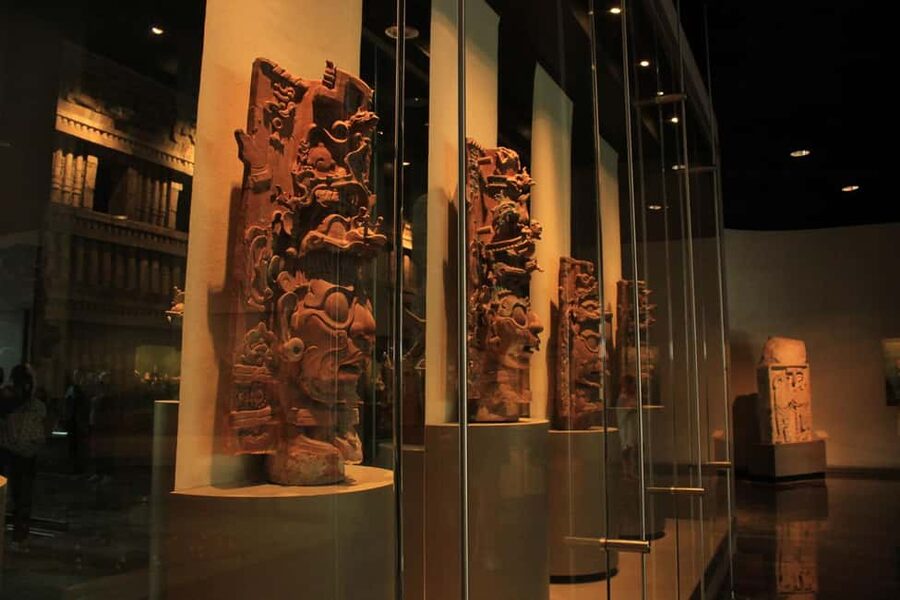
I would recommend this tour to a first-time visitor who wants a clear introduction to Mexico’s Indigenous cultures and archaeological past. It is also a good match for anyone who enjoys major objects more when someone explains the ideas behind them.
Families may appreciate the short, focused format. A 2.5-hour visit gives children a manageable amount of museum time, while the Sun Stone and hunting tools provide strong visual anchors. The private group option may be worth checking if your party wants a more personal format.
This tour can also suit visitors who have already explored Mexico City’s colonial or modern attractions and want stronger context for the country’s earlier civilizations. The collection covers enough ground to show that Mexico’s story did not begin with the Spanish conquest.
I would be more cautious about recommending it to a specialist or repeat visitor who wants a full day with one archaeological culture. The route is designed to introduce the museum’s major themes, not to provide an exhaustive study of every gallery.
You should also plan your day around the meeting point. Since transportation and pickup are not included, you need to reach the museum yourself, and the precise meeting location depends on the booking option. Leave enough time to find the correct point near Avenida Paseo de la Reforma and Calzada Mahatma Gandhi.
Should you book this tour?
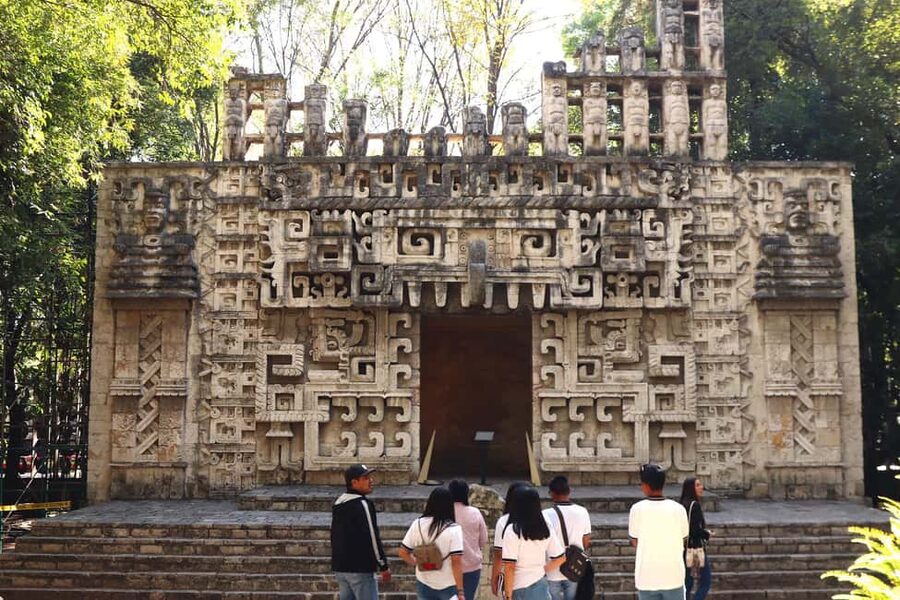
Book it if you want the National Museum of Anthropology to make sense, rather than simply wanting to see its most famous object. The guide, English or Spanish choice, included admission, and free time create a useful balance between expert explanation and personal exploration.
Skip it if you prefer independent museum visits, already know the Aztec, Maya, and Zapotec worlds well, or want enough time to examine every room. At $62, the tour earns its price through context and convenience, not through transportation or a full museum survey.
For most first-time visitors, the strongest reason to book is simple: the Sun Stone is memorable, but the smaller objects explain the people behind it. This visit gives you both.
More City Tours in Mexico City





More Guided Tours in Mexico City
More Chapultepec & Museum Tours in Mexico City


More tours in Mexico City we've reviewed








Chapultepec & Museum Tours, compared.
 ★ 4.4CDMX: Xochimilco, Coyoacan, Frida Kahlo Museum & Murals TourFrom $89
 ★ 4.5Chapultepec Castle & Anthropology Museum TourFrom $795 hours (approx.)
 ★ 5.0Frida Kahlo VIP [Museum Tickets Included] Bike, Markets & ChurrosFrom $834 hours (approx.)
 ★ 4.5Anthropology Museum Guided TourFrom $392 hours 30 minutes (approx.)
 ★ 5.0Frida Kahlo VIP [Museum Tickets Included] Walk, Markets & ChurrosFrom $833 to 4 hours (approx.)
 ★ 5.0EXCLUSIVE TOUR Frida Kahlo Museum – SMALL GROUPSFrom $862 hours (approx.)
 ★ 4.4Mexico City: Anthropology Museum Guided VisitFrom $672.5 hours
 ★ 4.5Mexico City: Frida Kahlo Museum Entry Ticket w/Digital GuideFrom $34
The lists this tour appears in