

Reviewed · CHAPULTEPEC & MUSEUM TOURS
Mexico City: National Art Museum Guided Tour
Mexico City’s National Art Museum packs much of Mexico’s art story into one grand building, from Novohispanic painting and San Carlos sculpture to the bold public art of Rivera, Orozco, and Siqueiros. A two-hour guided visit gives you a useful path through a collection that can otherwise feel too large to tackle alone.
In This Article
- Key points to know before you book
- Why MUNAL works so well for a guided visit
- Meeting the guide at the Mexican flag
- Starting with Novohispanic art and European influence
- The San Carlos School and the value of sculpture
- Mexican landscape painting, Velasco, and Dr. Atl
- Rivera, Orozco, Siqueiros, and the new art of the 20th century
- What José and Jesus bring to the experience
- Is $52 plus admission a fair price?
- Who will get the most from this museum tour?
- My practical verdict on the two-hour route
- FAQ
- Where does the National Art Museum tour begin?
- How long does the guided visit last?
- Is the museum entrance included in the tour price?
- What languages are available?
- How large is the group?
- Which artists are included?
- What types of art will I see?
- Can I cancel the booking?
I like the small group, limited to 10 people, and the chance to ask questions as you go. I also like the range of artists, including Marta Izquierdo, Anguiano, Velasco, and Dr. Atl, rather than stopping only at the best-known muralists. The main drawback is that the $52 tour price does not include the museum ticket, which adds 90 MXN, listed as about $6.
Key points to know before you book
- A compact tour of Mexican art: Move from Novohispanic works and French furnishings to 20th-century Mexican painting in two hours.
- A small group of up to 10: The size makes it easier to hear the guide and ask about individual works.
- Several guide languages: Tours are offered in English, Spanish, Portuguese, German, and Italian.
- A clear meeting signal: Find the guide at MUNAL’s main gate by looking for the Mexican flag.
- Strong guide-led interpretation: José is praised for his passion, clear explanations, and interactive approach, while Jesus is noted for his grasp of artists and techniques.
- Extra entrance cost: The $52 activity price covers the bilingual guide, but not the 90 MXN museum admission.
Why MUNAL works so well for a guided visit

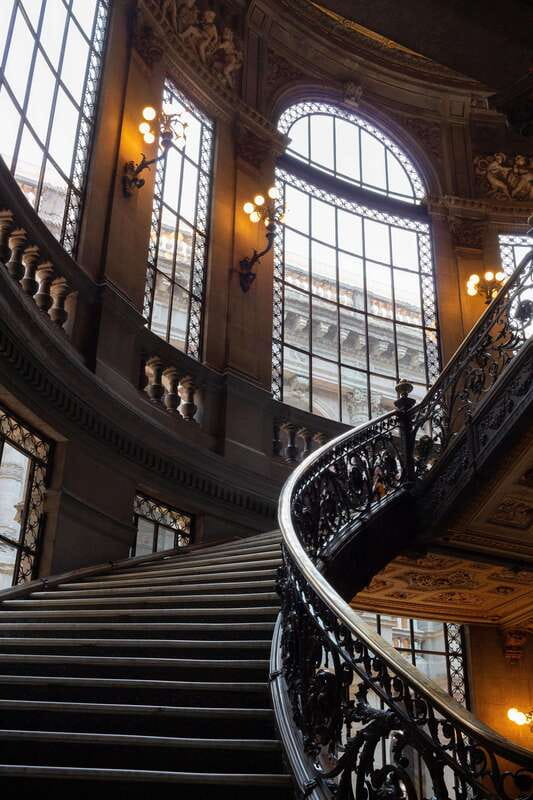
MUNAL is the sort of museum where a guide can save you from wandering past important works without understanding why they matter. The collection covers almost every major period of Mexican art, and the building itself is part of the experience. One visitor called the building amazing, and that is useful advice: give yourself a moment at the entrance before rushing toward the galleries.
The museum’s range is the main attraction. You are not coming only to see murals. The visit brings together religious art from the Novohispanic period, sculpture linked to the San Carlos School, French furniture and frescoes, Mexican landscape painting, and new artistic forms from the 20th century.
I like this broad sweep because it helps you see Mexican art as a changing conversation. The tour can show how artists moved from European models and academic training toward subjects, techniques, and public art forms that felt more distinctly Mexican.
A guide also gives you a way to connect artists who may otherwise seem unrelated. Rivera, Orozco, and Siqueiros are the famous names, but the collection also includes Marta Izquierdo, Anguiano, Velasco, Dr. Atl, and many others. That wider view is valuable if you want more than a quick look at a few iconic paintings.
A few more Mexico City tours and experiences worth a look
Meeting the guide at the Mexican flag

The tour begins at the main gate of the National Art Museum. Your guide will hold a Mexican flag, which gives you a simple visual marker in a busy city setting. The tour returns to the same museum, so there is no transport between stops and no need to arrange a ride during the visit.
The activity lasts two hours. That is long enough for a guided overview, but not long enough to study every room or every artist in detail. I would treat it as a well-shaped introduction, not a complete museum day.
The group limit is 10 people. This matters in a museum because a large crowd can turn an art explanation into a listening exercise from several steps away. In a small group, you have a better chance of hearing the guide, asking about a technique, or pausing briefly when a particular work catches your eye.
The available languages are English, Spanish, Portuguese, German, and Italian. The activity is described as including a bilingual guide, so check the selected time and language when booking. The guide names associated with especially positive experiences include José and Jesus. José is described as interactive and passionate about Mexican art and history, while Jesus is praised for explaining artists, techniques, and well-known works.
One practical note: a guide may take group photographs during the visit. That happened more than once for one participant, who liked the art explanations but did not enjoy the photo-taking. If you prefer not to be photographed, tell the guide early and politely.
Starting with Novohispanic art and European influence
The early part of the visit takes you into Novohispanic art. This period is important because it shows Mexico’s artistic development before the famous 20th-century mural movement. You can expect the guide to place religious and academic works within a larger story of European influence and local artistic practice.
This section may be less immediately familiar than the murals, but it gives the later galleries more meaning. Without it, the shift toward modern Mexican art can seem sudden. With it, you can see that Mexican artists were not creating in isolation. They were working through inherited European forms, training systems, and subjects before developing new directions.
French furniture and frescoes add another layer. They remind you that MUNAL is not only a picture gallery. The interior and decorative arts help explain the tastes and artistic connections that shaped Mexico at different points in time.
I would pay attention to the contrasts here. A painting can tell you about subject and style, while furniture and architectural decoration reveal how art entered daily and public life. The guide’s role is especially useful when the museum moves between these forms, since you may not immediately understand why each belongs in the same larger story.
The San Carlos School and the value of sculpture
The tour also includes examples of sculpture from the San Carlos School. This is a welcome change from a visit focused only on painted surfaces. Sculpture gives you another way to see how artists learned proportion, anatomy, technique, and academic ideals.
The San Carlos reference also helps explain the formal training behind much Mexican art. A guide can point out how academic traditions shaped artists before the 20th century introduced new subjects and methods. That connection is one reason the tour works better than a simple list of famous names.
I like having sculpture included because it breaks up the visual rhythm of a painting-heavy museum. It also gives you a chance to compare how form is handled in three dimensions with how painters create depth on a flat surface. The supplied information does not identify specific sculptures, so you should expect examples and context rather than a promised single masterpiece.
Mexican landscape painting, Velasco, and Dr. Atl
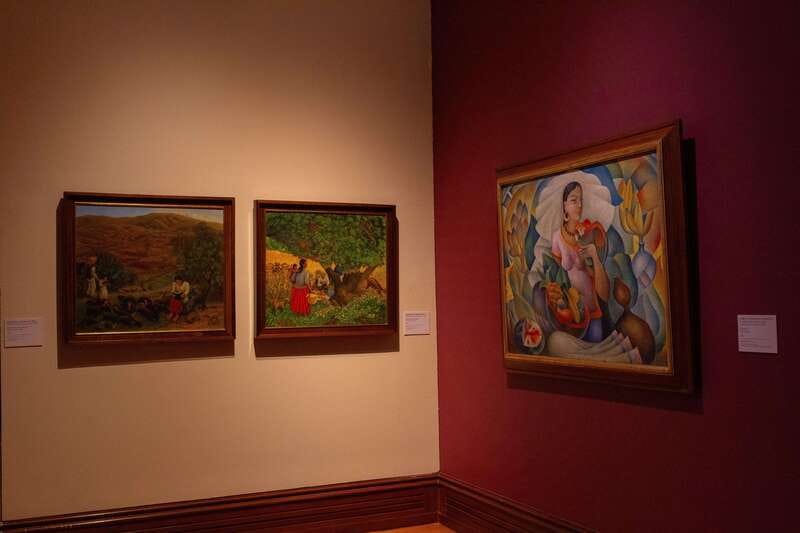
A permanent exhibition on Mexican landscape painting is one of the more focused parts of the tour. Here, you can expect the guide to move from individual works toward a broader look at how artists represented Mexico’s natural spaces and sense of place.
The word landscape is literal here, but the idea reaches beyond scenery. Paintings of mountains, valleys, skies, and countryside can also express national identity, memory, and changing ideas about Mexico. Artists such as Velasco and Dr. Atl make this section particularly useful for anyone interested in how the country was pictured before and alongside the mural movement.
I would not rush through these rooms. The muralists often receive the most attention, but the landscape paintings help you see another side of Mexican art. They can feel quieter than the large public works, yet they offer a strong counterpoint to the political and social force associated with 20th-century muralism.
The guide’s overview is important here because you may not know which artists deserve extra time. A two-hour tour cannot cover every painting, but it can help you identify where to return if you plan to keep exploring after the guided portion.
Other guided tours in Mexico City



Rivera, Orozco, Siqueiros, and the new art of the 20th century
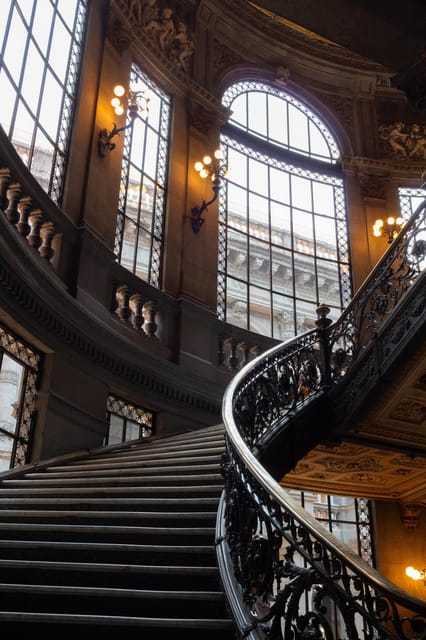
The best-known part of the tour focuses on Mexican muralism and other new forms of the 20th century. Rivera, Orozco, and Siqueiros are central names, and the guide sets their work within the artistic changes that made Mexican art so influential.
You should expect discussion of artists, techniques, and important works rather than a room-by-room inventory. One strong feature of the guide service is the attention to how artists worked, not just what they painted. That can include the way a work is built, the choices behind its technique, and how it relates to other artists shown nearby.
The three muralists are often grouped together, but their work does not express one single style or mood. A good explanation helps you notice differences in subject, tone, and method. It also keeps the experience from becoming a short roll call of famous painters.
The collection’s wider selection matters here. Marta Izquierdo and Anguiano add to the picture, while Velasco and Dr. Atl connect the modern galleries to the earlier treatment of the Mexican natural world. You can also see why a guide is helpful when several artists are displayed in relation to one another. The comparisons can be easy to miss if you are simply moving from one label to the next.
This part may be the most rewarding for first-time visitors to Mexican art. It gives you a basic framework for understanding why muralism became such a major form and how 20th-century artists moved beyond older academic models.
What José and Jesus bring to the experience
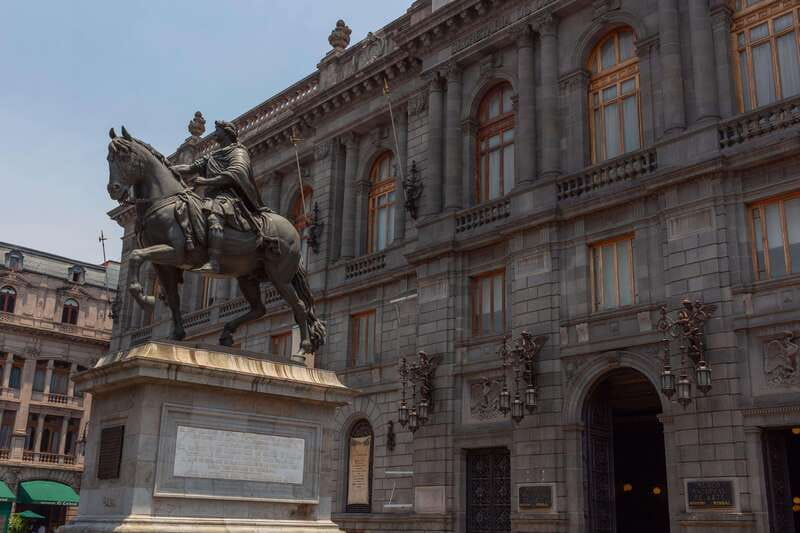
The guide can make or break a museum tour, and the strongest feedback centers on José. He is described as prompt, interactive, patient, and deeply interested in Mexican art and history. One participant especially valued how his explanations created a sense of pride and connection to the country’s artistic past.
That personal energy matters in a museum where the collection can feel overwhelming. José’s approach appears to suit people who like asking questions rather than simply listening to a prepared speech. He is also praised for giving a clear overview of the development of Mexican art.
Jesus receives praise for his explanations of artists, techniques, and major paintings. His style is described as flamboyant by one participant, which may appeal to you if you like an expressive guide. The same participant felt uncomfortable with repeated photographs, so this is one small point to keep in mind.
The experience is not tied to one guide in every case, so you should not assume José or Jesus will lead every departure. Still, the guide quality appears to be the main reason to choose this activity over visiting on your own. The museum can provide the objects, but the guide supplies the order and context.
Is $52 plus admission a fair price?

The listed tour price is $52 per person, and you also pay the 90 MXN entrance fee, shown as roughly $6. The guide is the only included service, so the total cost is higher than a self-guided museum visit.
I see the value in the price if you have only two hours, are unfamiliar with Mexican art, or want explanations in one of the five listed languages. A small group and a specialist guide give you a more focused visit than simply entering with no plan. The price is harder to justify if you already know the collection well or want to spend several hours moving at your own pace.
The tour is best judged as an orientation service. You pay to understand what you are seeing, to connect distant periods, and to avoid losing time among many rooms. It is not a bargain admission ticket, and the separate museum fee should be part of your budget from the start.
The free cancellation policy allows cancellation up to 24 hours before the activity for a full refund. You can also reserve and pay later, which helps if your Mexico City schedule is still shifting. Check the available start times before you commit, since the duration is fixed at two hours.
Who will get the most from this museum tour?
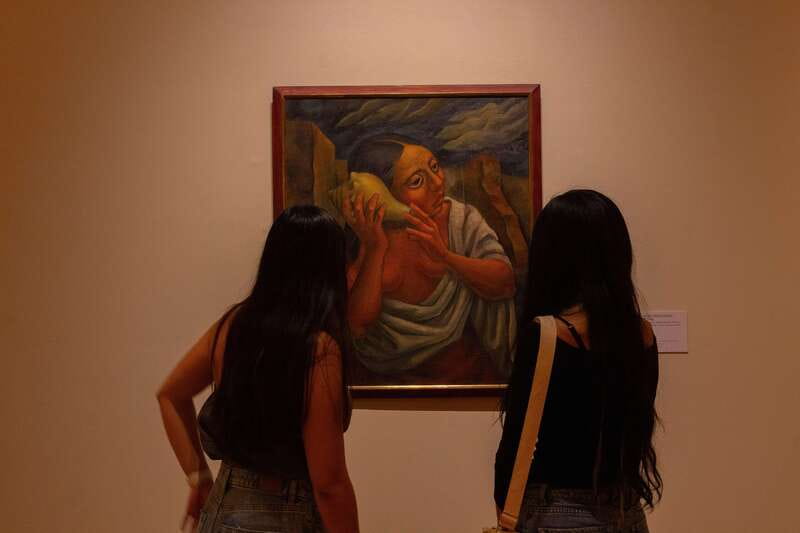
I would recommend this visit to a first-time MUNAL visitor who wants a clear route through Mexican art. It suits you especially well if terms such as Novohispanic art, San Carlos School, and Mexican muralism are new to you.
It is also a good fit for anyone who likes to ask questions. The small group makes that easier, and the guide can explain why an artist or technique matters instead of leaving you to decode every label alone.
The tour may be less suitable if you want long, quiet periods with individual works. Two hours and a group format require you to follow the guide’s pace. You will get an overview of many periods, but you will not have time to examine every gallery at length.
Families and mixed-interest groups may also find the structure useful, since the guide keeps the visit moving between painting, sculpture, furniture, frescoes, and muralism. The range gives you more chances to find a subject that holds your attention.
My practical verdict on the two-hour route

I like this experience because it treats MUNAL as a story, not a warehouse of paintings. The route connects European and Novohispanic traditions, academic sculpture, Mexican landscape painting, and the forceful new forms of the 20th century.
The strongest reasons to book are the small group, the choice of languages, and the guide-led context. José appears to be particularly effective at making the tour interactive, while Jesus is praised for his command of artists and techniques. Just remember that the museum ticket costs extra, and make your photo preferences clear at the start.
Book this tour if you want a strong first look at Mexico’s art across several eras and value expert explanation more than unhurried solo viewing. Skip it if you already know MUNAL well or plan to spend most of the day studying individual works. For many first visits, though, two organized hours can give you the framework you need to return on your own with much better eyes.
FAQ
Where does the National Art Museum tour begin?
The meeting point is at the main gate of the National Art Museum, also known as MUNAL. The guide will be holding a Mexican flag.
How long does the guided visit last?
The guided tour lasts two hours and begins and ends at the National Art Museum.
Is the museum entrance included in the tour price?
No. The museum entrance ticket is not included. It costs 90 MXN, listed as about $6.
What languages are available?
The live guide service is available in English, Spanish, Portuguese, German, and Italian.
How large is the group?
The activity is offered as a small-group tour with a maximum of 10 participants.
Which artists are included?
The tour can include works by Rivera, Orozco, Siqueiros, Marta Izquierdo, Anguiano, Velasco, Dr. Atl, and other Mexican artists.
What types of art will I see?
The visit includes Mexican landscape painting, sculpture from the San Carlos School, Novohispanic art, French furniture, frescoes, Mexican muralism, and 20th-century artistic forms.
Can I cancel the booking?
You can cancel up to 24 hours in advance for a full refund. The activity also offers a reserve-now-and-pay-later option.
More City Tours in Mexico City





More Guided Tours in Mexico City
More Chapultepec & Museum Tours in Mexico City


More tours in Mexico City we've reviewed





Chapultepec & Museum Tours, compared.
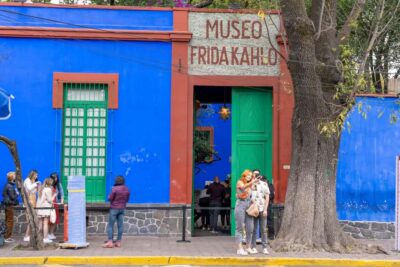 ★ 4.4CDMX: Xochimilco, Coyoacan, Frida Kahlo Museum & Murals TourFrom $89
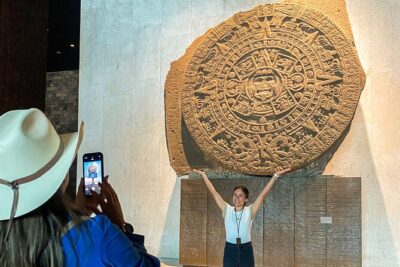 ★ 4.5Chapultepec Castle & Anthropology Museum TourFrom $795 hours (approx.)
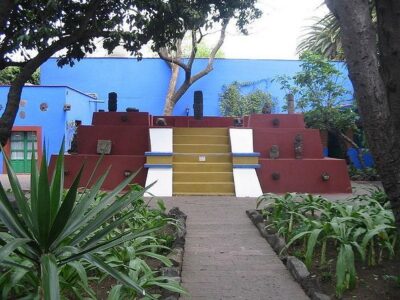 ★ 5.0Frida Kahlo VIP [Museum Tickets Included] Bike, Markets & ChurrosFrom $834 hours (approx.)
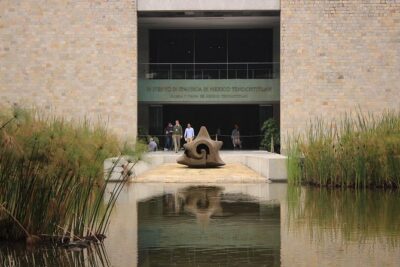 ★ 4.5Anthropology Museum Guided TourFrom $392 hours 30 minutes (approx.)
 ★ 5.0Frida Kahlo VIP [Museum Tickets Included] Walk, Markets & ChurrosFrom $833 to 4 hours (approx.)
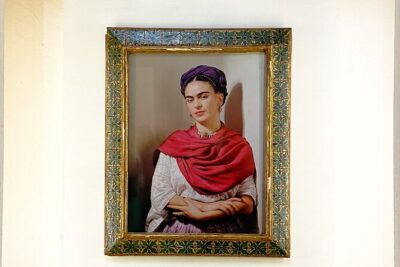 ★ 5.0EXCLUSIVE TOUR Frida Kahlo Museum – SMALL GROUPSFrom $862 hours (approx.)
 ★ 4.4Mexico City: Anthropology Museum Guided VisitFrom $672.5 hours
 ★ 4.5Mexico City: Frida Kahlo Museum Entry Ticket w/Digital GuideFrom $34
The lists this tour appears in