
Reviewed · CHAPULTEPEC & MUSEUM TOURS
Private tour of the basilica of Guadalupe with Guadalupano museum
The most rewarding part of this tour is that it treats Guadalupe as a whole sacred complex, not just a quick stop at the famous image. You visit the new Basilica, the first basilica, chapels, gardens, Tepeyac Hill, and the spot tied to Juan Diego’s miraculous flowers.
In This Article
- Key points to know before booking
- Why Guadalupe deserves more than a quick photo stop
- Meeting at the John Paul II statue
- Inside the new Basilica and the 1531 image
- The first Basilica and the older chapels
- Walking up Tepeyac Hill
- Cerrito Chapel and the Mexico City view
- La Ofrenda, waterfalls, and the Holy Water chapel
- The Guadalupano Museum after the guided walk
- What the private format is really worth
- Who should book this Guadalupe tour
- Booking, timing, and cancellation
- Should you book it?
- FAQ
- How long does the Basilica of Guadalupe tour last?
- Where does the tour begin?
- Where does the activity end?
- Is transportation included?
- Is food included?
- Can I attend Mass during the visit?
- Can I cancel for a full refund?
I like the private format, which lets you ask questions and set a comfortable pace. I also like the practical touches: bottled water, a snack bag, restroom breaks when needed, and guides such as Diego and María, who can explain the site in English and Spanish.
The main consideration is the uphill walk to Cerrito Chapel and the fact that lunch and transportation are not included. The Guadalupano Museum is also visited at your own pace after the guided portion, with entry tickets requested at the end rather than clearly built into the tour price.
Key points to know before booking
- The full religious complex: Visit the new Basilica, first Basilica, chapels, gardens, monuments, and Tepeyac Hill.
- A private guide: Only your group takes part, with time for questions and a pace suited to your needs.
- Guides named Diego and María: Previous guests specifically praised their punctuality, patience, English and Spanish skills, and detailed explanations.
- Tepeyac views: Climb to Cerrito Chapel for a broad view over Mexico City and the site linked to Juan Diego’s flowers.
- Museum time after the tour: Request tickets for the Guadalupano Museum and explore it independently once the guided visit ends.
- Simple logistics: The tour lasts about two and a half hours, costs $32.31 per person, and begins and ends at the statue of Pope John Paul II.
Why Guadalupe deserves more than a quick photo stop
The Basilica of Our Lady of Guadalupe is one of Mexico City’s most important religious destinations. For Catholic visitors, it is a place of prayer and pilgrimage. For others, it offers a close look at Mexican faith, art, architecture, and the story of how Guadalupe became such a powerful national symbol.
The appeal of this tour is its range. You are not confined to the main church interior. The route takes you through several parts of the complex, then up Mount Tepeyac, where the story of the Virgin of Guadalupe is tied to its most important events.
I like this approach because the setting makes more sense when you see the churches and hill together. The tour gives you a physical sense of the place, rather than presenting Guadalupe as a single image behind glass.
At $32.31 per person, the price is reasonable for a private two-and-a-half-hour visit, especially if you are traveling with family or friends and want a guide focused only on your group. Group discounts are available, though the exact reduced rate is not specified.
A few more Mexico City tours and experiences worth a look
Meeting at the John Paul II statue
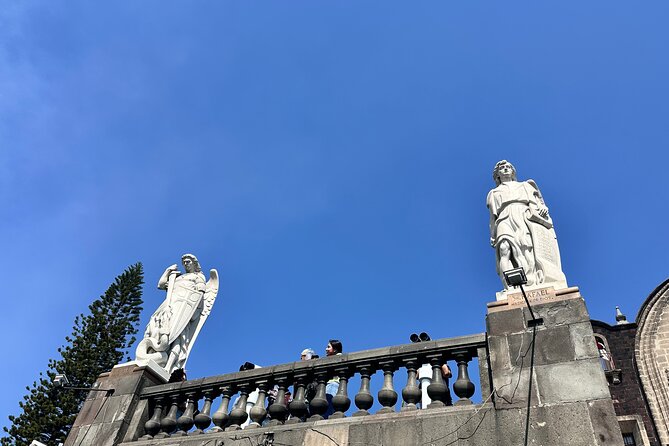
The meeting point is the monumental statue of Pope John Paul II at the Basilica of Our Lady of Guadalupe, at Fray Juan de Zumárraga No. 2 in the Gustavo A. Madero district. The tour ends at the same general meeting point, which keeps the day simple.
You should allow a little time to locate the statue before the start. The complex includes several major buildings, so arriving early is sensible. The tour does not include private transportation, but transportation can be requested for an additional fee.
The first part of the visit includes an explanation of the Guadalupano code by an expert. This is important because the tour is not only about dates and buildings. It also introduces the religious symbols and ideas connected to the Guadalupe tradition.
If you do not speak Spanish, ask for an English-speaking guide when booking. Diego is specifically praised for guiding in both English and Spanish, and his English was described as quite good. María is also mentioned as a friendly guide who shared a large amount of information during the visit.
Inside the new Basilica and the 1531 image
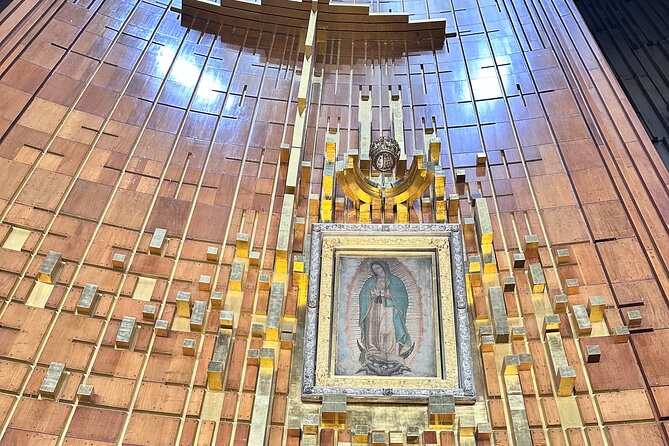
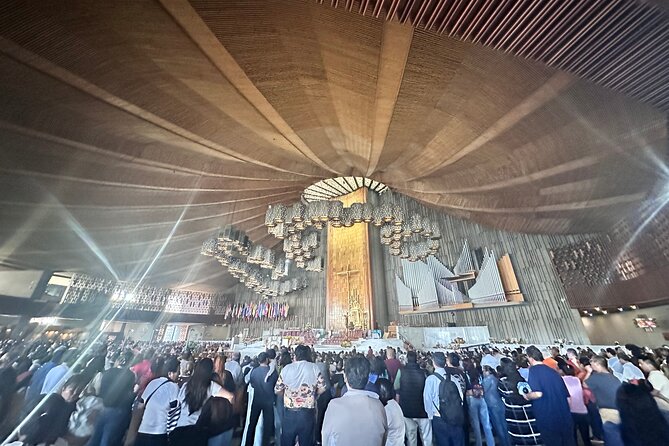
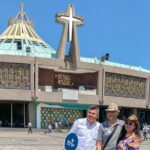
The new Basilica is the central stop. This is where the original image associated with 1531 is located, and the interior is designed to accommodate large numbers of worshippers.
Your guide explains the importance of the image and the religious meaning of the site. The visit can feel solemn, particularly if Mass or another service is taking place. The tour can include time to hear Mass if you request it, but you should ask in advance so the timing works with the rest of the route.
One useful feature of a private visit is the chance to pause and ask questions without holding up a large group. If you want a more devotional experience, you can tell the guide. If you are more interested in architecture, symbolism, or Mexican culture, you can steer the discussion in that direction.
Keep in mind that this remains an active religious site. You should dress and behave respectfully, and follow any instructions about photography, services, or movement inside the Basilica. The tour provides interpretation, but it does not turn the church into a museum.
The first Basilica and the older chapels
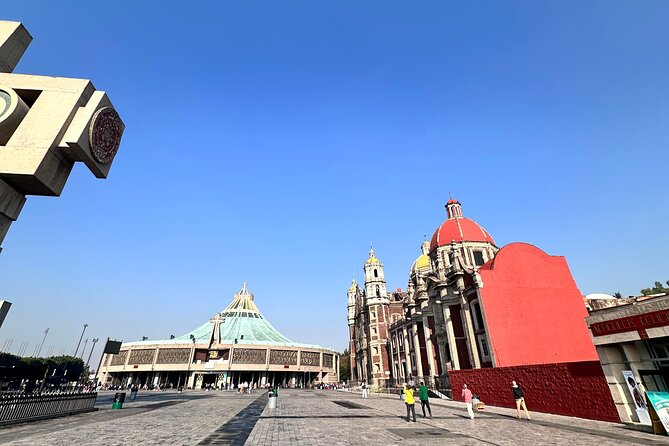
The route continues to the first Basilica and other religious buildings within the complex. This is where the visit gains much of its sense of place. You can compare the older church with the newer Basilica and see how devotion to Guadalupe has been expressed through several generations of construction.
The itinerary includes a small chapel dedicated to Holy Water and the first Catholic temple built in honor of the Virgin of Guadalupe. These stops are easy to overlook if you explore alone, particularly because the site contains so many churches, chapels, gardens, and monuments.
I value the guide most at this stage. The buildings can look similar at first glance, but dates, uses, and stories give each one a different role. Diego was repeatedly praised for explaining the sites in detail and for showing the different churches rather than rushing straight to the main image.
The route may also include opportunities to buy religious items to have blessed. This is optional. If you want medals, rosaries, or another devotional object, ask the guide for enough time. The tour does not include the cost of these items.
Walking up Tepeyac Hill
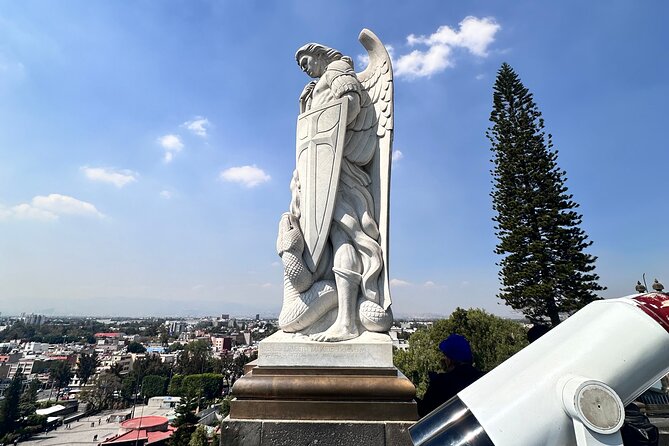
The walk up Tepeyac Hill is the most active part of the tour. You visit the source of the miracle connected with the Virgin’s final appearance, then continue toward the garden dedicated to Christ the King.
The hill gives the visit a stronger connection to the traditional story. Instead of hearing about the setting from inside a church, you walk through the place associated with the events themselves.
The climb is also the part that may require the most care. The activity description says most people can participate, and service animals are allowed, but it does not provide a detailed accessibility assessment. If stairs, inclines, or extended walking are concerns, contact the provider before booking at +52 651 091 64. The private format should make it easier to discuss a slower pace.
Bring comfortable shoes. Bottled water and a snack bag are included, and the guide can make restroom stops when needed. Lunch is not included, so plan to eat before or after the tour rather than expecting a meal during the visit.
A few more Mexico City tours and experiences worth a look
Cerrito Chapel and the Mexico City view
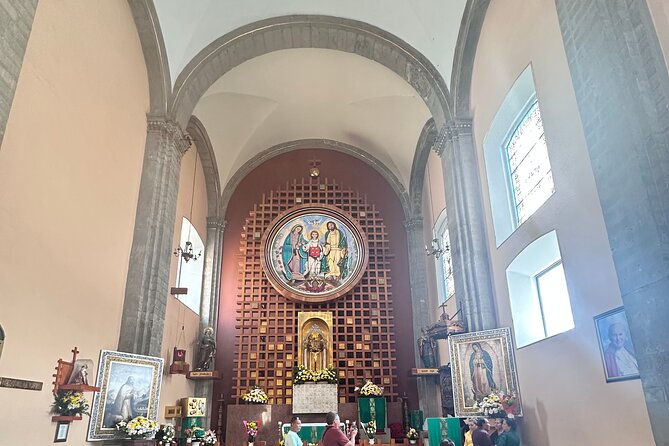
At the top of the hill, you visit Cerrito Chapel. This is the spot connected with Juan Diego recognizing the miraculous flowers on his mantle, one of the key moments in the Guadalupe story.
The chapel is also valued for its view over Mexico City. From here, the city opens out below you, giving a helpful sense of how large the capital is and how distinct the Guadalupe complex feels from the streets around it.
The view is a good reason not to skip the hill, but the climb means this portion may not suit everyone. If your group includes older family members, allow the guide to set a comfortable pace. The tour has received praise for patience with older participants, which is useful here, though the exact walking distance and number of steps are not specified.
Cerrito Chapel is also described as a peaceful place. You can expect a quieter pause than in the main Basilica, depending on the day and the religious schedule.
La Ofrenda, waterfalls, and the Holy Water chapel
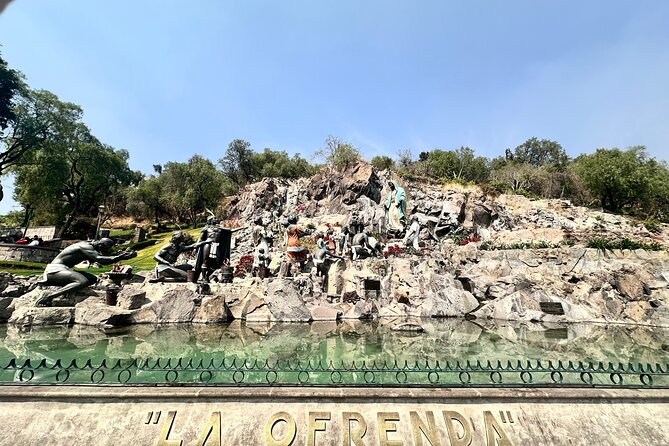
The visit includes La Ofrenda, a monumental sculpture accompanied by two waterfalls. This gives the itinerary a different feel after the churches and hill. It is a visual and outdoor part of the complex, and your guide can connect it to the larger Guadalupe setting.
The tour then finishes its guided route at the small Holy Water chapel and the first Catholic temple built in honor of the Virgin of Guadalupe. These final stops add detail to the visit and help explain why the complex contains so many places of prayer.
I would not treat these as filler stops. They show how Guadalupe functions as a living religious center, with grand churches, intimate chapels, gardens, sculptures, water features, and spaces for quiet reflection all gathered together.
The route covers a lot in 150 minutes. That is efficient, but it may also feel full if you want long periods of silent prayer or detailed time inside every building. Tell your guide what matters most to you at the beginning.
The Guadalupano Museum after the guided walk
After the guided portion, you can request tickets to enter the Guadalupano Museum. You then visit it at your own pace, without the guide hurrying you through the exhibits.
This arrangement can work well. The tour gives you the setting and religious context first, then the museum lets you spend more time with objects and displays that catch your attention. It also means your total time at the complex can extend beyond the advertised two and a half hours.
The information provided does not clearly state that museum admission is included in the $32.31 price. Ask the provider about the ticket cost and availability before you go. The same applies if museum access is especially important to your plans.
Because the museum visit is independent, you should not expect the same guided explanation there unless you arrange it separately. That is not necessarily a weakness. Some people prefer to browse on their own after receiving a good orientation.
What the private format is really worth
A private tour is most useful here if you have particular questions, mixed interests, or family members who need a flexible pace. You can ask for more history, more religious explanation, more architecture, or time to attend Mass.
The experience is also a good fit for English-speaking visitors who want help understanding the complex. Diego is praised for being punctual, friendly, attentive, and able to explain the site in English and Spanish. María is also identified as a guide who provides substantial information in a warm manner.
The tour includes bottled water and a snack bag. These are modest inclusions, but they matter during the hill walk. One detailed account also described the guide checking comfort, offering restroom stops, and answering questions throughout the day.
The price becomes less attractive if you need transportation, lunch, or extensive museum time added on. Transportation costs extra, food is not included, and tips are separate. Still, for a private guided visit at $32.31 per person, the basic package offers solid value for a small group.
Who should book this Guadalupe tour
I would choose this experience if Guadalupe is a major reason for your Mexico City visit, especially if you want both religious meaning and cultural context. It is also well suited to families, older adults who benefit from a patient guide, and English or Spanish speakers who want clear explanations.
Catholic visitors can request time for Mass and may purchase religious objects to have blessed. Those interested in Mexican culture can focus on the Guadalupe story, the buildings, gardens, sculpture, and the way the complex serves as a place of devotion.
I would think twice if you want a very slow, contemplative visit with no set route. The itinerary is broad and active, and the hill requires walking. I would also reconsider if you need guaranteed wheelchair details, since the available information does not describe every surface, stairway, or chapel entrance.
The activity is generally suitable for most people, and service animals are allowed. For specific accessibility questions, contact the provider before reserving.
Booking, timing, and cancellation
The tour is commonly reserved about eight days ahead, so booking earlier is sensible if you have a fixed Mexico City schedule. Confirmation is issued at booking, and the activity uses a mobile ticket.
The tour is operated by Yalkin Mx. It is private, so only your group participates. Free cancellation is available if you cancel at least 24 hours before the local start time. Cancellations or changes made within 24 hours are not refunded or accepted.
Tips are not included. Since the guide’s role is central to the experience, budget separately for a tip if you feel the service deserves one.
Should you book it?
Book this tour if you want Guadalupe explained as a complete sacred complex rather than reduced to one famous church. The combination of the two basilicas, Tepeyac Hill, Cerrito Chapel, La Ofrenda, smaller chapels, and optional museum time gives you a fuller visit than a quick independent stop.
At $32.31 per person, it is especially appealing for a private group that values questions, flexible pacing, and help in English or Spanish. Just plan for the uphill walk, arrange transportation separately if needed, and confirm the museum ticket details before you go.
FAQ
How long does the Basilica of Guadalupe tour last?
The guided experience lasts approximately 2 hours and 30 minutes. Museum time afterward is independent and may extend your visit.
Where does the tour begin?
It begins at the monumental statue of Pope John Paul II at the Basilica of Our Lady of Guadalupe, Fray Juan de Zumárraga No. 2, Mexico City.
Where does the activity end?
The activity ends back at the meeting point.
Is transportation included?
No. Private transportation is not included, but you can request it for an additional cost.
Is food included?
Lunch is not included. Bottled water and a snack bag are provided.
Can I attend Mass during the visit?
Yes. You can request time to hear Mass, subject to the schedule and timing of the visit.
Can I cancel for a full refund?
Yes, if you cancel at least 24 hours before the experience start time. Cancellations or changes made less than 24 hours before the start are not refunded or accepted.
More Private Tours in Mexico City



More Guadalupe Shrine Tours in Mexico City
More Chapultepec & Museum Tours in Mexico City


More tours in Mexico City we've reviewed


Chapultepec & Museum Tours, compared.
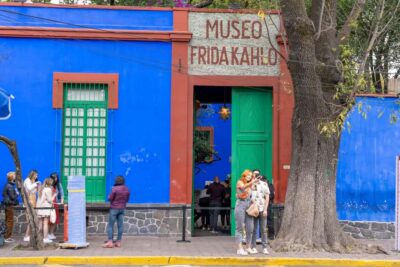 ★ 4.4CDMX: Xochimilco, Coyoacan, Frida Kahlo Museum & Murals TourFrom $89
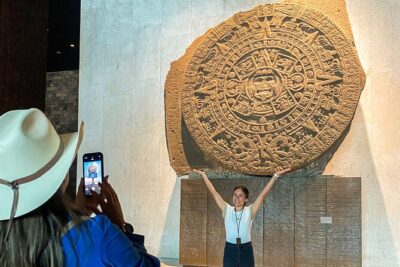 ★ 4.5Chapultepec Castle & Anthropology Museum TourFrom $795 hours (approx.)
 ★ 5.0Frida Kahlo VIP [Museum Tickets Included] Bike, Markets & ChurrosFrom $834 hours (approx.)
 ★ 4.5Anthropology Museum Guided TourFrom $392 hours 30 minutes (approx.)
 ★ 5.0Frida Kahlo VIP [Museum Tickets Included] Walk, Markets & ChurrosFrom $833 to 4 hours (approx.)
 ★ 5.0EXCLUSIVE TOUR Frida Kahlo Museum – SMALL GROUPSFrom $862 hours (approx.)
 ★ 4.4Mexico City: Anthropology Museum Guided VisitFrom $672.5 hours
 ★ 4.5Mexico City: Frida Kahlo Museum Entry Ticket w/Digital GuideFrom $34
The lists this tour appears in