
Reviewed · TEOTIHUACAN TOURS
Teotihuacan & Anthropology Museum, Templo Mayor & City Tour
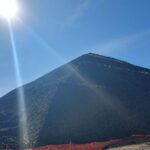
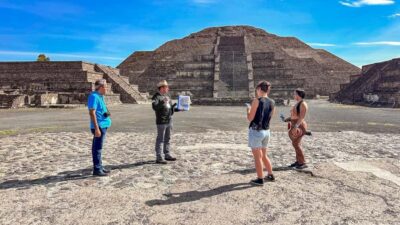
Teotihuacan is the clear star here. Arriving as the gates open lets you walk along the Avenue of the Dead while the site is still quiet, with the pyramids catching the early light and far fewer people blocking your view. I especially like the three-hour archaeological visit and the chance to see the Sun Pyramid, Moon Pyramid, Temple of Quetzalcoatl, and ancient murals with a guide.
In This Article
- Key points to know before booking
- Why the early Teotihuacan start matters
- What you see among the pyramids
- The obsidian workshop and tequila tasting
- Lunch at Rancho Azteca
- Day two at the National Museum of Anthropology
- Templo Mayor and the remains of Tenochtitlan
- The historic-center walk can be uneven
- Transport, group size, and the pace of the day
- What the $137 price really buys
- Who should book this two-day tour
- Should you book it?
- FAQ
- How long does the experience last?
- What is included in the $137 price?
- Is lunch included?
- What language is the tour offered in?
- How much walking is involved?
- How many people can join the tour?
- What happens at Teotihuacan?
- What is included at the obsidian workshop?
- What is the cancellation policy?
Day two adds Mexico City’s two major archaeological and cultural stops: the National Museum of Anthropology and Templo Mayor. The main caution is that the tour’s quality can vary between guides, and the lunch and shopping stop after Teotihuacan may feel commercial rather than local.
Key points to know before booking
- Early access changes the Teotihuacan visit: You enter near opening time, before the main crowds and midday heat.
- Leonardo, Gerson, and Gabriel earned strong praise: Guides have been especially good at explaining the pyramids, murals, and ancient cultures.
- The museum day covers major sites efficiently: You get guided highlights at the Anthropology Museum and Templo Mayor rather than trying to handle both alone.
- The obsidian workshop includes tequila tasting: It is interesting culturally, but the sales presentation may not suit everyone.
- Lunch costs extra: The buffet is convenient, yet some visitors found it generic or overpriced.
- Plan for walking and a very early start: The tour covers about 1.8 miles, or 3 km, and the pyramid area can be tiring.
Mexico City has enough museums, ruins, churches, and public squares to fill a week. If you have only a few days, this two-day combination gives you a strong first look at the city’s ancient foundations and its modern historic center.
The price is $137 per person. That includes round-trip minivan transport, a professional guide, entrance fees to Teotihuacan, the National Museum of Anthropology, and Templo Mayor, plus the tequila tasting. Food and drinks are extra. I consider the price reasonable if you want transport and guided interpretation bundled together, but the value depends heavily on how well your guides manage the group and how much you enjoy the added shopping and lunch stops.
Why the early Teotihuacan start matters
Teotihuacan sits north of Mexico City and dates to about 100 BC. It was once one of the great urban centers of ancient Mesoamerica, with broad ceremonial avenues, enormous pyramids, plazas, temples, and painted decoration.
The early departure is not a minor detail. By arriving as the gates open, you get cooler air, softer light, and a quieter walk along the Avenue of the Dead. The site can feel almost still in the morning, which gives you time to look at the scale of the city instead of simply following a crowd from one photo stop to the next.
I would choose this early-access format over a later visit whenever possible. The pyramids are exposed, and the climb or walk across the complex becomes more demanding as the sun rises. One person reported reaching the middle of a pyramid and nearly running out of breath, so take the physical side seriously.
The tour spends about three hours at Teotihuacan. That is enough time for the principal structures, though not enough for an unhurried study of every corner. You should expect steady walking across open ground, uneven surfaces, and some effort around the pyramids.
A few more Mexico City tours and experiences worth a look
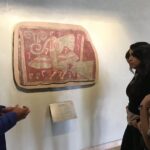
What you see among the pyramids
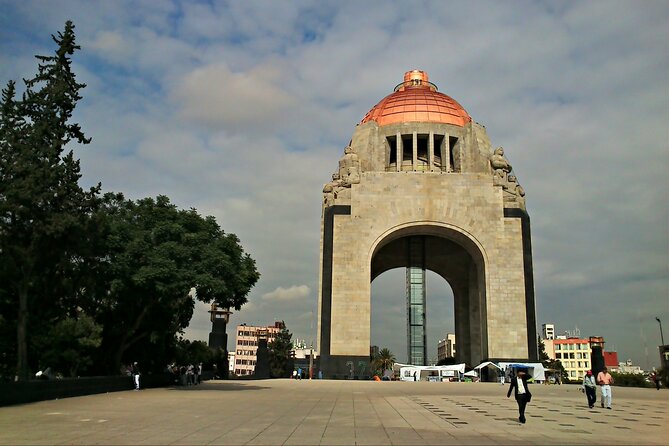
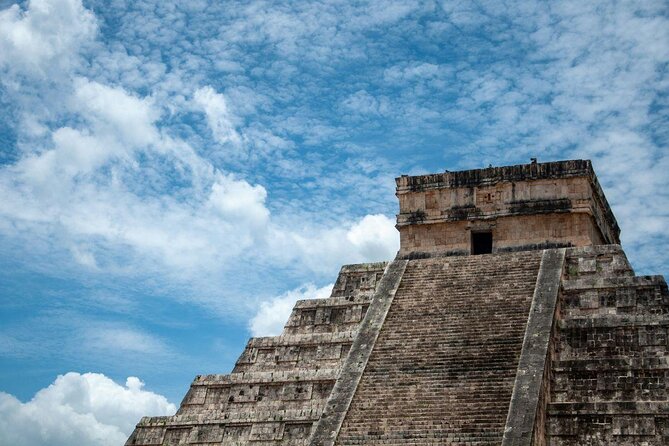
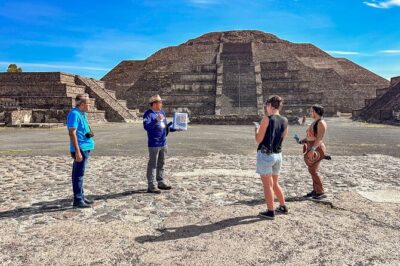
Your guide leads you through the major parts of the archaeological zone. The Sun Pyramid and Moon Pyramid provide the big visual moments, but the smaller structures and murals are what help explain how the city functioned.
The Avenue of the Dead gives you a sense of Teotihuacan’s planning. It is not just a path between monuments. It is the central axis of a huge ceremonial city, and walking along it helps you grasp the distance between temples and plazas.
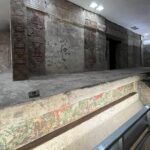
The Palace of Quetzalpapalotl adds a closer look at carved decoration and painted design. The Temple of Quetzalcoatl, also called the Feathered Serpent Temple, brings you face to face with the symbolic art of the city. Your guide’s explanations matter here because the stone carvings can otherwise become a blur of names and dates.
The strongest guides appear to be those who turn the site into a story rather than reciting facts. Leonardo received especially warm praise for being patient, clear, and well informed. Gerson was also described as friendly and able to explain the major features in an accessible way. Gabriel was praised for keeping the day efficient while making the subject enjoyable.
English ability is worth confirming when you book. The experience is offered in English, but some departures have had language complications, including guides who were not comfortable speaking English for the full tour. That can turn an excellent archaeological visit into a long wait between repeated explanations.
The obsidian workshop and tequila tasting
After Teotihuacan, the minivan takes you to El Quetzal Artesanias, a family-run obsidian workshop. The stop lasts about 45 minutes and includes admission and a tequila tasting.
Obsidian is volcanic glass, and it had practical and ceremonial importance in pre-Hispanic Mexico. At the workshop, you see how the material is shaped into decorative objects and learn about its place in local tradition. This is one of the more useful stops if you want a connection between ancient technology and present-day craft.
Still, set your expectations correctly. This is also a shopping stop. Some people enjoy seeing the handmade pieces and taking home a small object; others dislike the sales pressure or feel that the prices are higher than those found from street sellers near the ruins.
The tequila tasting is included, but it does not turn the stop into a full food experience. If you buy something, check the credit-card receipt carefully before signing. That is a sensible precaution anywhere, but particularly important when a tasting and sales presentation happen in the same place.
Lunch at Rancho Azteca
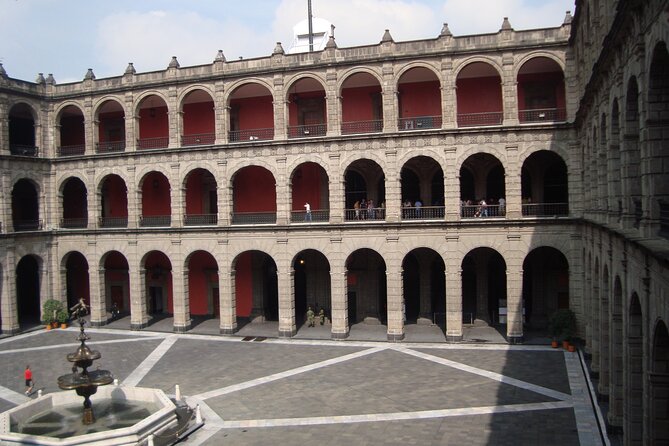
The tour then stops at Rancho Azteca for about an hour. A buffet of Mexican food is available, but lunch and drinks are not included in the $137 price.
This arrangement gives you a convenient meal without forcing the cost into the base fare. The tradeoff is choice. You may not be free to wander off and find your own lunch, and you could spend time waiting while other members of the group eat.
The buffet has been one of the weaker parts of the day for some people. It has been described as generic, forgettable, or expensive for what it offers. One person became ill after eating there, though that does not establish a general problem. I would bring a little food for the morning, eat a light breakfast before departure, and treat the buffet as a practical stop rather than a culinary highlight.
The early schedule makes breakfast important. A gas station stop before the pyramids may be available, but it is not the sort of place to count on for a satisfying meal. Pack something simple if you need food before the main lunch stop.
Day two at the National Museum of Anthropology
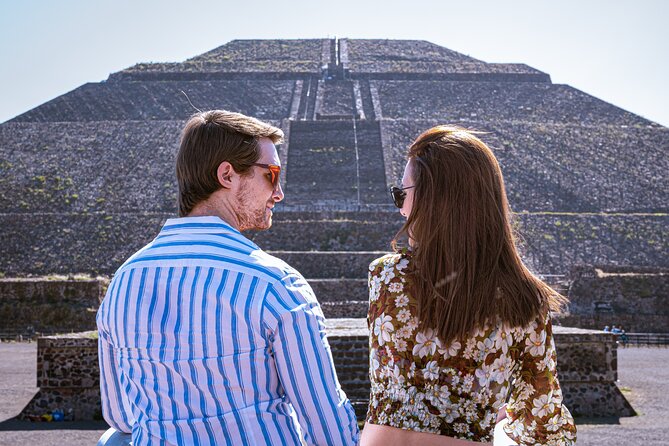
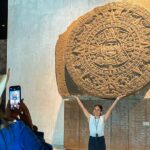
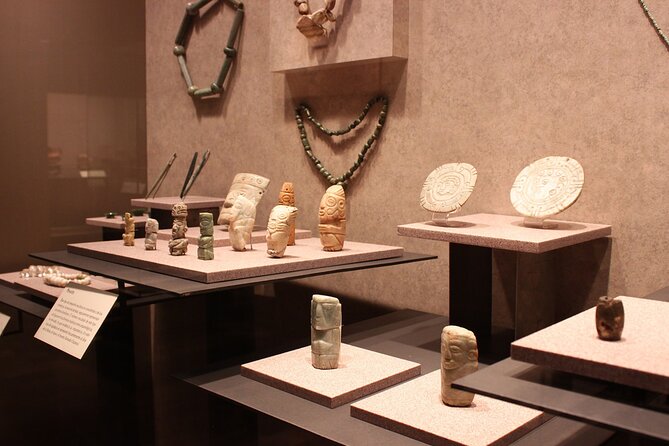
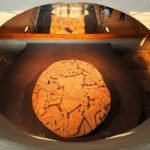
The second day begins at the National Museum of Anthropology, Mexico City’s essential museum for pre-Hispanic cultures. The visit lasts about two hours, with the guide leading you through the main rooms and most important sections.
This museum is enormous. Two hours will not cover everything, and that is actually a good reason to visit with a guide. You get a focused route through key collections instead of losing half the morning trying to decide where to go.
The museum helps place Teotihuacan in a wider setting. You can connect the city’s architecture and symbols with other cultures of ancient Mexico, then see how the Mexica, Maya, and other civilizations fit into the larger story. The guide’s selection of objects makes a real difference, especially when time is limited.
I would not expect a quiet, independent museum morning. You are following a group schedule, and you may want to return on your own later if a particular room catches your attention. Still, this guided introduction is efficient and useful for a first visit.
The day also includes a walk through the oldest park in the Americas and exterior explanations of several important buildings and palaces. The route then reaches Avenida Francisco I. Madero, a central pedestrian street in the historic district.
A few more Mexico City tours and experiences worth a look


Templo Mayor and the remains of Tenochtitlan
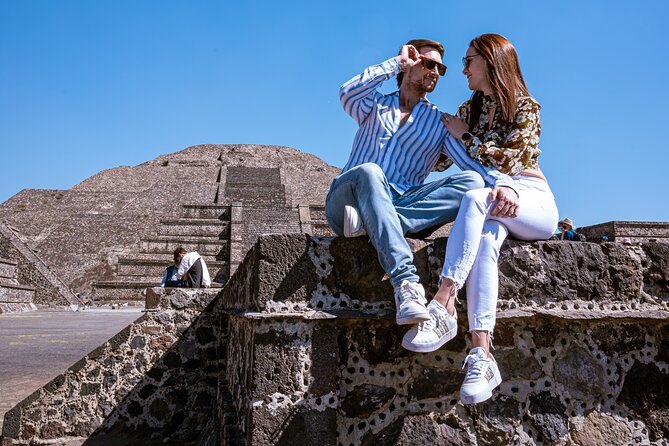
The final major stop is the Templo Mayor Museum and archaeological site. This is where the ancient Mexica capital of Tenochtitlan meets present-day Mexico City.
Templo Mayor was the central temple precinct of the Mexica capital. The museum and exposed remains show how the site changed over time and how Spanish Mexico City was built directly over the older city. The surrounding streets include windows of history, where archaeological remains can be viewed from the modern urban setting.
I find this stop especially valuable after Teotihuacan. The two sites belong to different periods and cultures, and seeing both helps you avoid treating all ancient Mexican civilization as one single story. Teotihuacan was already ancient by the time the Mexica rose to power, while Templo Mayor belongs to the final pre-Hispanic chapter before the Spanish conquest.
The visit lasts about 90 minutes. That gives you enough time for the principal museum displays and the archaeological area, but not every object or explanation. The site is in the middle of the city, so the experience feels more compact and urban than Teotihuacan.
The historic-center walk can be uneven
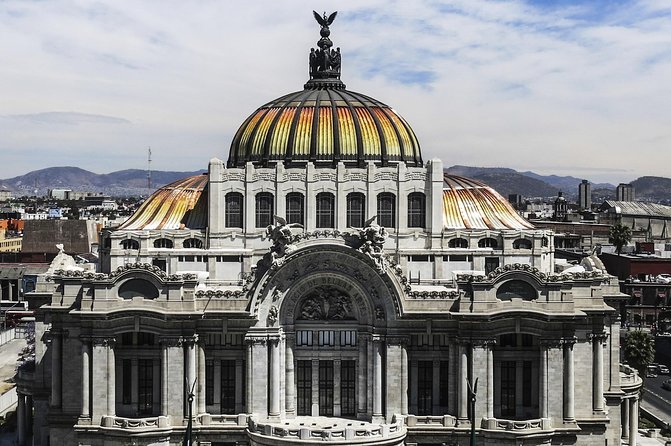
The city tour includes exterior explanations of important buildings, a walk along Madero, and a visit connected with the National Palace and its Diego Rivera murals. One particularly strong guide used the murals to explain Mexico’s past, which made the art far more meaningful than a quick look at the walls.
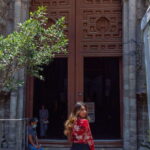
The main cathedral is also part of the historic-center experience from the outside or along the route. Its gilded decoration and leaning columns are striking. The soft ground and repeated earthquakes have caused many historic buildings in the center to tilt, an unusual detail that helps you read the city itself.
This portion is less consistent than the Teotihuacan morning. A strong guide can bring the streets and murals to life. A weak guide may simply point at buildings, recite dates, look at a phone, or ask the group what it wants to see without offering a clear route.
The city walk is also shorter than some people expect. If you want a detailed tour of the historic center, you may prefer to book that separately with a specialist guide. Think of this second-day route as a useful introduction, not a complete study of central Mexico City.
Transport, group size, and the pace of the day
Round-trip transport is provided in an air-conditioned minivan. That matters because Teotihuacan is outside the city, and arranging transport on your own adds planning and uncertainty.
The tour is advertised for a maximum of 30 people. Larger-feeling groups can make it harder to hear, stay together, or meet at the correct location. The experience works best when the guide sets clear meeting points and keeps the schedule moving.
Some departures may combine people with different tour options or languages. That can lead to repeated explanations and longer waits. If you value a tight schedule, ask how the English group is organized before paying.
You should also prepare for an early morning and about 3 km of walking. Good walking shoes are essential. Bring sunscreen, water, and layers. Winter mornings can be cold, and summer weather may bring rain, so a light raincoat or umbrella is sensible.
What the $137 price really buys
At $137, you are paying for convenience as much as for admission. The cost covers three important entry tickets, transportation, two days of guiding, and the tequila tasting. If you would otherwise need to arrange transport to Teotihuacan and pay separate museum admissions, the package can make financial sense.
The price is less attractive if you mainly want the pyramids. The early-access Teotihuacan portion is the strongest part of the experience, and you could save money by arranging that visit alone or choosing a half-day option.
The lunch stop is not included, so budget extra for food and drinks. You may also want to avoid buying anything at the workshop unless you genuinely like the item and are comfortable with the price.
Group discounts may be available, and mobile tickets make the booking simple. Free cancellation is allowed up to 24 hours before the start time. Changes or cancellations inside that window are not accepted for a refund.
Who should book this two-day tour
I would recommend this tour to a first-time Mexico City visitor who wants the main ancient sites explained in English and prefers not to arrange transport independently.
It suits you if:
- You have two days available for a structured introduction.
- You want to enter Teotihuacan early.
- You prefer guided highlights at very large museums.
- You are comfortable with group travel and a fixed schedule.
- You can handle several hours of walking.
- You do not mind a craft workshop and a buffet lunch stop.
I would hesitate if you want a small, deeply personal tour, a local food experience, or complete control over your schedule. I would also be cautious if English guiding is especially important to you, since language and guide quality have not been equally strong on every departure.
Should you book it?
Book it if your priority is early Teotihuacan access plus efficient museum coverage. The pyramids, the quiet morning light, and the explanations from guides such as Leonardo, Gerson, and Gabriel can make this a memorable introduction to ancient Mexico.
If you book, arrive ready for a very early start, eat before departure, wear sturdy shoes, and bring protection from sun, cold, or rain. Treat the workshop and buffet as practical add-ons, not the heart of the day.
The city tour is the deciding factor. If you want a broad first look at the historic center, it adds useful context. If your main goal is a polished, detailed walking tour of central Mexico City, book Teotihuacan separately and choose a different guide for the city.
FAQ
How long does the experience last?
The experience takes approximately two days. Day one covers Teotihuacan and the stops afterward, while day two covers the Anthropology Museum, the historic center, and Templo Mayor.
What is included in the $137 price?
The price includes a professional guide, round-trip transport in an air-conditioned minivan, entrance to Teotihuacan, entrance to the National Museum of Anthropology, entrance to Templo Mayor, and a tequila tasting.
Is lunch included?
No. Lunch and drinks are not included. The tour stops at Rancho Azteca, where you can purchase a buffet lunch.
What language is the tour offered in?
The experience is offered in English. Confirmation of the language arrangement is wise because some departures have had problems with English-speaking guidance.
How much walking is involved?
The tour involves a moderate amount of walking, listed as about 1.8 miles or 3 km. The Teotihuacan visit lasts about three hours and may include tiring walks around the pyramids.
How many people can join the tour?
The stated maximum is 30 people. Group organization may affect how easy it is to hear the guide and stay with the group.
What happens at Teotihuacan?
You visit the Sun and Moon pyramids, the Avenue of the Dead, the Palace of Quetzalpapalotl, the Temple of Quetzalcoatl, plazas, buildings, and murals. The visit lasts about three hours and takes place early in the morning.
What is included at the obsidian workshop?
The 45-minute stop includes an explanation of obsidian craft traditions, a chance to see handmade pieces, and a tequila tasting. Purchasing an item is optional, and the cost of anything you buy is not included.
What is the cancellation policy?
You can cancel at least 24 hours before the experience begins for a full refund. Cancellations or changes made less than 24 hours before the start time are not accepted for a refund.
More City Tours in Mexico City



More Chapultepec & Museum Tours in Mexico City
More Teotihuacan Tours in Mexico City

More tours in Mexico City we've reviewed


Teotihuacan Tours, compared.
 ★ 5.0Teotihuacan, Guadalupe Shrine & Tlatelolco Day Tour with LunchFrom $399 hours (approx.)
 ★ 5.0Balloon flight + Breakfast in cave + Pyramids + Pick up CDMX.From $1722 to 8 hours (approx.)
 ★ 5.0Teotihuacan pyramids morning or afternoon without tourist trapsFrom $645 hours 30 minutes (approx.)
 ★ 4.5Teotihuacan Early Access Guided Tour with optional LunchFrom $398 hours (approx.)
 ★ 5.0Balloon flight + pick up in CDMX + Breakfast in Cave + PyramidsFrom $1694 to 7 hours (approx.)
 ★ 4.6Mexico City: Teotihuacan, Tlatelolco & Guadalupe Shrine TourFrom $49
 ★ 5.0Teotihuacan Hot Air Balloon Flight from Mexico City / VolareFrom $1553 to 9 hours (approx.)
 ★ 5.0Hot Air Balloon Flight with Breakfast Cave and Pyramids TourFrom $1408 hours (approx.)
The lists this tour appears in