
Reviewed · WALKING TOURS
Epic Centro Histórico Walking Tour
Mexico City’s Centro Histórico is best understood on foot, and this five-and-a-half-hour tour with Ricardo gives you a lively route through its grandest buildings, Aztec remains, murals, churches, and lesser-known viewpoints. You’ll cover a lot of ground, but the route is broken up with short stops and rooftop breaks.
In This Article
- Key points at a glance
- Why this Centro Histórico walk works so well
- Starting at Barrio Alameda and the Alameda Central
- Bellas Artes, the House of Tiles, and Palacio Postal
- Madero Avenue and the city’s grand old buildings
- Craft shops, mezcal, and the Gran Hotel
- The Zócalo, cathedral, and Santo Domingo
- Diego Rivera’s murals and the Aztec city beneath your feet
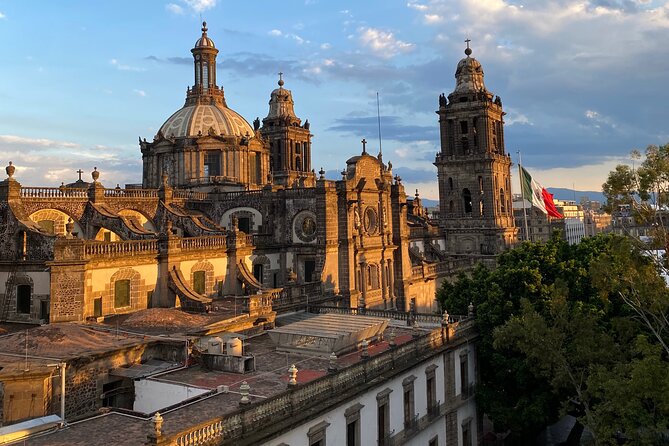
- Rooftop views at Terraza Catedral
- The final streets near Regina
- What the six hours feel like
- Why booking early in your Mexico City stay makes sense
- Who should book this tour
- Should you book the Epic Centro Histórico Walking Tour?
- FAQ
- How long does the Epic Centro Histórico Walking Tour last?
- What time and where does the tour start?
- Where does the tour end?
- Is the tour offered in English?
- How many people can join the tour?
- Are drinks and museum admission included?
I like the small-group limit of 12 people, which makes it easier to ask questions and get personal help. I also like the mix of famous sights and tucked-away interiors, including Palacio Postal, the Gran Hotel, Diego Rivera murals, craft shops, and rooftop terraces.
The main catch is simple: this is a serious walking day. One guest counted nearly 20,000 steps, so comfortable shoes, water, and a reasonable level of fitness are essential. Several museums are viewed from outside rather than visited inside, and the optional drinks cost extra.
Key points at a glance
- Ricardo’s personal city knowledge: Expect history, architecture, current culture, restaurant suggestions, and practical advice for the rest of your stay.
- A full Centro Histórico route: The walk links Alameda Central, Bellas Artes, Madero Avenue, the Zócalo, the cathedral, Santo Domingo, Templo Mayor, and Regina.
- Several interiors without museum tickets: You enter places such as Palacio Postal, the Antiguo Palacio de Iturbide, the Gran Hotel, the cathedral, and the Secretaría de Educación Pública.
- Rooftop pauses add breathing room: A break at Museo del Estanquillo and a longer drink stop at Terraza Catedral give your feet a rest and frame the city from above.
- Small-group attention: The maximum group size is 12, though the tour can become private if you are the only booking.
- Strong first-day choice: Ricardo offers ideas for food, performances, and later sightseeing, making this a useful orientation as well as a history tour.
Why this Centro Histórico walk works so well
I like tours that help you see a city in layers. This one moves from the leafy Alameda and grand nineteenth-century buildings to Spanish colonial courtyards, modern street life, Aztec ruins, and mural-covered government halls.
Ricardo’s style is a major part of the experience. He explains Mexico City’s past while also connecting it to present-day culture, food, art, football, and daily life. That gives the walk more life than a string of dates and building names.
You should also expect flexibility. Streets can close for protests or public events, and some sites may not be open. Ricardo has adjusted the route when needed, taking the group to other worthwhile places rather than letting a closure spoil the day.
At $69 per person, I consider the tour a good value if you want one long, carefully guided introduction to the historic center. The price includes the guide, fees, and taxes. It does not include alcoholic drinks, so budget separately if you want mezcal or a beverage at the rooftop stop.
Other walking tours we've reviewed in Mexico City



Starting at Barrio Alameda and the Alameda Central
The meeting point is Barrio Alameda on Calle Dr Mora 9, near public transportation. The tour begins at noon with a short introduction, giving you basic context before the walk gets under way.
The first proper stop is Alameda Central, Mexico City’s famous central park. You’ll hear about its past and pause at important points rather than simply crossing it on the way to the next building.
This is a smart opening. The park gives you space to get oriented, and the surrounding architecture quickly shows how many eras share the city center. You’ll want comfortable shoes from the start, since the route soon becomes a steady sequence of city blocks and standing stops.
Bellas Artes, the House of Tiles, and Palacio Postal
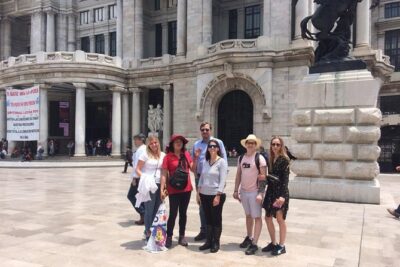
Palacio de Bellas Artes is one of the tour’s early visual treats. You do not enter the museum, but you get a good exterior view and learn about the building’s history. The stop is short, so think of it as an introduction to the landmark rather than a museum visit.
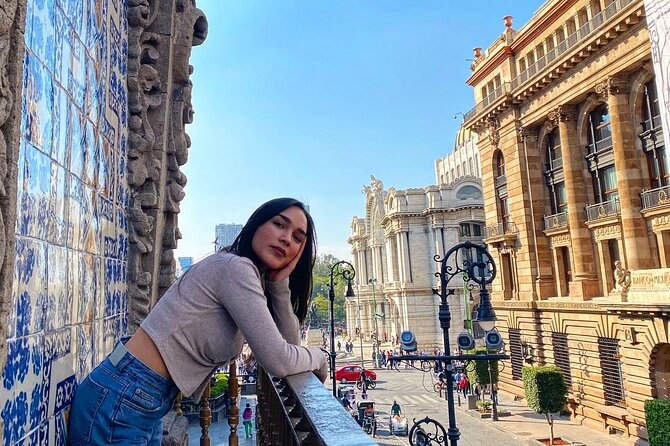
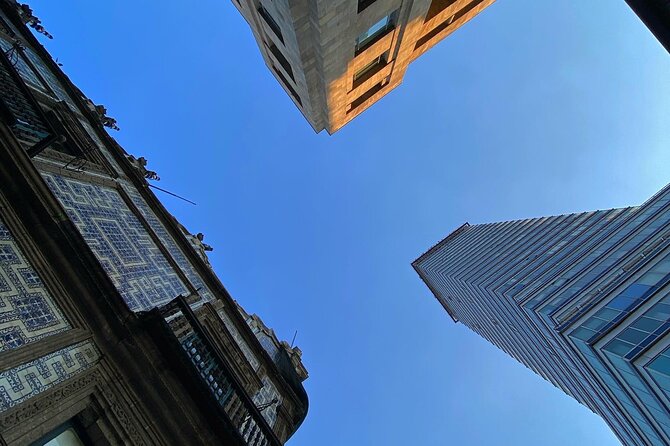
Next comes the House of Tiles, a colonial building with a striking tiled exterior and details that are easy to miss if you are walking alone. Here, the guide points out important features and less obvious corners while explaining the building’s past.
Palacio Postal is one of the better interior stops. You enter this ornate post office to see its elaborate architecture and hear how the building came to be. I especially value stops like this because they turn a working city building into part of the sightseeing route without requiring a separate admission ticket.
You will not spend long at any one place. That keeps the day moving, but it also means you may want to return later to places that catch your eye.
Madero Avenue and the city’s grand old buildings
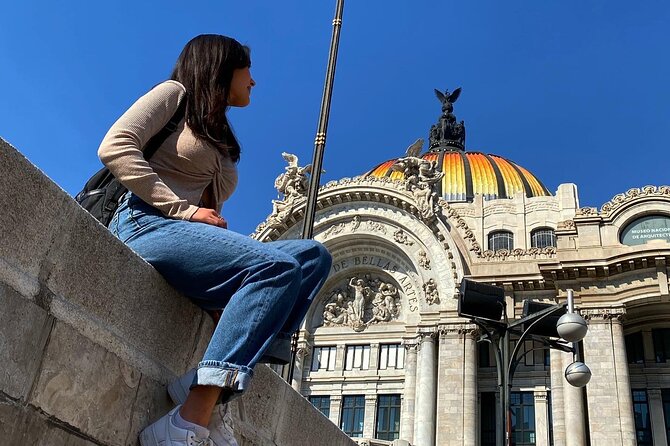
The route continues along Francisco I. Madero Avenue, one of the most important pedestrian streets in the center. Rather than walking straight through, Ricardo makes several stops for stories and details connected to the street and its buildings.
Museo Nacional de Arte is viewed from outside. Its architecture is worth the pause, but museum entry is not part of this experience. The same is true at some other stops, so you should not book this as a substitute for a full museum day.
At the Antiguo Palacio de Iturbide, you enter a former colonial building that now operates as a museum. The visit focuses on the building and its stories, giving you another look at the layers of Mexico City’s past.
A break at the rooftop of Museo del Estanquillo is a welcome change of pace. You spend about 10 minutes taking in the views, and it is a good moment to rest, take photos, and see how the dense historic center fits together from above.
Craft shops, mezcal, and the Gran Hotel
The Shops at Downtown occupy a colonial complex now converted into a hotel, hostel, shops, and restaurants. The retail area features crafts from different parts of Mexico, so this stop offers more than architecture.
If you want to participate, there may also be a small mezcal tasting. Alcohol is not included in the tour price, so treat this as an optional extra rather than part of the package.
I like this section because it gives the route a more contemporary feel. You are not only looking at monuments. You are also seeing how old buildings continue to serve modern businesses and how regional art reaches shoppers in the capital.
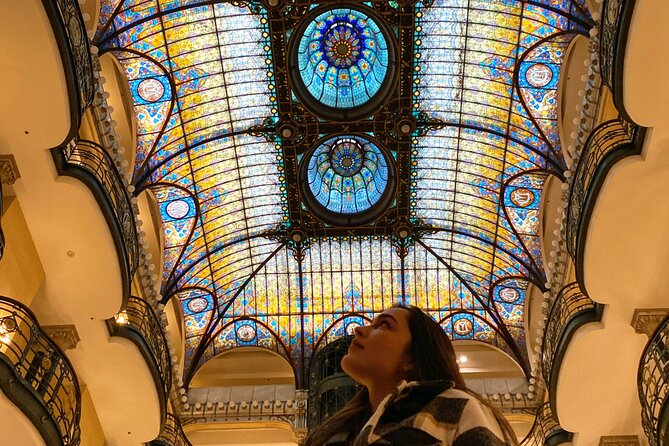
The Gran Hotel Ciudad de México is another short interior stop. You enter to see its stained-glass ceiling and Art Nouveau design. The stop is brief, but the ceiling makes it worthwhile, especially for anyone who enjoys decorative architecture.



The Zócalo, cathedral, and Santo Domingo
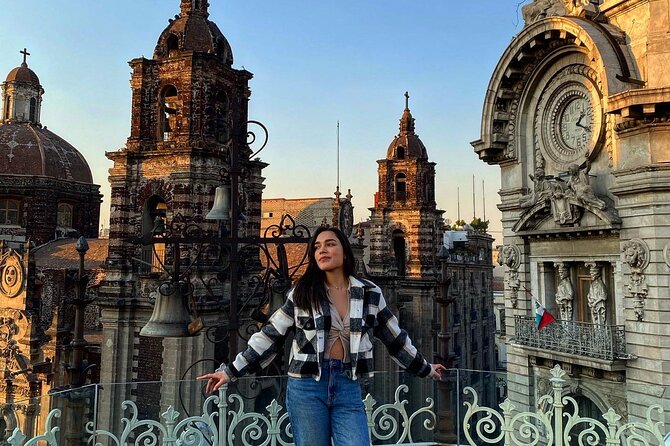
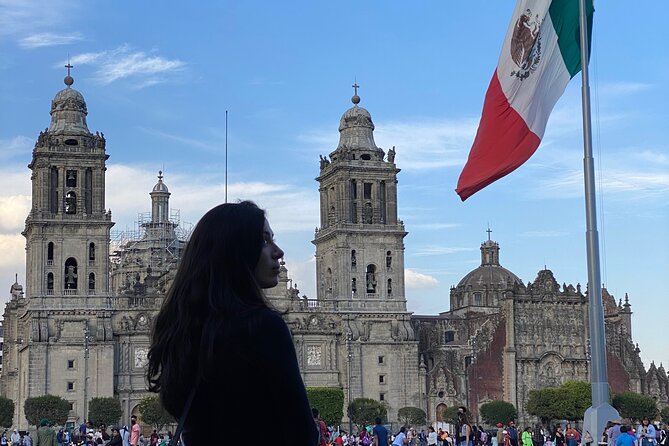
The Zócalo is the symbolic heart of Mexico City and one of the world’s largest public squares. You walk around the square while learning about its role and the buildings that surround it.
This is one place where a guide adds real value. The scale can be hard to grasp on your own, and the square’s meaning reaches from pre-Hispanic Tenochtitlan through the colonial period and into modern public life. Ricardo’s explanations help connect the open plaza to the streets and buildings you have already seen.
You also enter the Catedral Metropolitana. The interior gives you a closer look at its architecture and a chance to hear about its long history. Since this is a working religious site, conditions can vary, and respectful behavior is important.
At Plaza de Santo Domingo, the focus shifts to the square and the surrounding buildings. The stop is short, but it helps you read the area as a connected historic district rather than a collection of isolated attractions.
Diego Rivera’s murals and the Aztec city beneath your feet
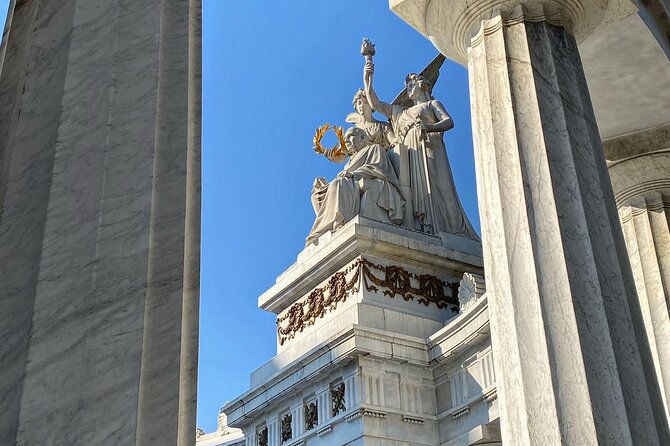
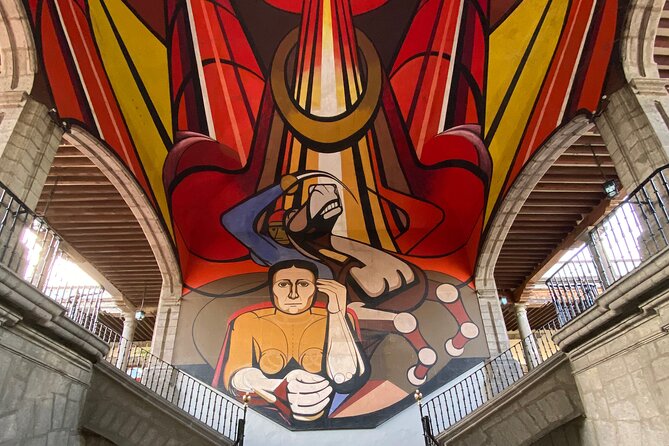
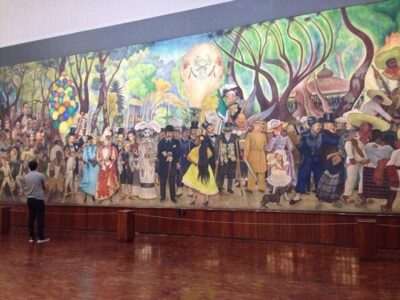
The Secretaría de Educación Pública is one of the tour’s strongest art stops. You enter to see murals by Diego Rivera and David Alfaro Siqueiros.
The visit is especially useful if you want Mexican history presented through art. The murals give you scenes and symbols to think about after the tour, and Ricardo can help place them in their cultural setting. This is not a quick exterior photo stop. You get time inside to look.
At Museo del Templo Mayor, you do not enter the museum, but you get a good viewpoint toward the archaeological remains. Ricardo explains the rise of the Aztec Empire and the conquest of Tenochtitlan.
That contrast is central to understanding the Centro Histórico. Spanish colonial buildings sit directly above and beside the remains of the Aztec capital. Seeing the ruins from the route makes the city’s past feel physical rather than abstract.
If you want a full visit to the Templo Mayor museum and archaeological site, plan to return on your own. This tour gives you context and a view, not the complete museum experience.
Rooftop views at Terraza Catedral
The longest pause comes at Terraza Catedral, where you spend about 30 minutes with a drink and views across the historic center. The schedule starts at noon and is designed to reach this stop later in the day, with the possibility of sunset scenery.
This is more than a photo break. After hours on crowded streets and hard pavements, half an hour to sit down matters. You can review the buildings you have seen, ask Ricardo follow-up questions, and take in the Zócalo area from a different angle.
Drinks are not included, so plan to pay for your own beverage. If you do not want alcohol, confirm the available options when you arrive. The rooftop stop is one of the tour’s most memorable features, but its appeal depends on weather, timing, and access on the day.
The final streets near Regina
The last listed stop is Museo de Sitio del Claustro de Sor Juana, though the description focuses on the surrounding street, street art, and bars rather than a formal museum visit. This gives the final part of the walk a more local, evening feel after the major plazas and monuments.
The tour ends at Regina Coeli parish on Simón Bolívar 92. That is useful because you finish in a different part of the historic center rather than returning to the starting point. You can continue exploring, find dinner, or use the area as a base for your next outing.
Since the route is long, it is worth checking your plans before booking. You may not want to schedule a formal dinner immediately afterward, especially if you walk at a relaxed pace and stop for photos.
What the six hours feel like
The advertised duration is about five hours and 30 minutes, though the experience can run closer to six hours. Expect a moderate pace with many short explanations, photo pauses, and standing breaks.
The route includes about 18 listed points and a great deal of walking between them. One person reported nearly 20,000 steps, which gives you a useful sense of scale. This is not a gentle loop around one plaza.
I would wear supportive shoes and light clothing, carry water, and keep your day flexible. You do not need to race, but you do need to be comfortable walking for most of an afternoon.
The small group limit helps. With no more than 12 people, you have a better chance of hearing the guide and asking questions than on a large city tour. If you are the only person booked, the walk may operate as a private tour, which can allow more time for photos and conversation.
Why booking early in your Mexico City stay makes sense
I would schedule this tour near the beginning of your visit. Ricardo gives restaurant suggestions and ideas for other activities, and the route helps you understand the center before you return on your own.
The tour also gives you a useful list of places to revisit. You might want extra time at Bellas Artes, the Templo Mayor museum, Museo Nacional de Arte, the House of Tiles, or the mural halls after seeing them first with context.
It is also a practical way to test how you feel about the historic center. You learn the main streets, see how close the major sights are, and get comfortable moving around without having to navigate every turn yourself.
Who should book this tour
I recommend it most strongly for first-time visitors who want history, architecture, art, and local perspective in one day. Solo visitors can benefit from the personal attention, while couples and families may appreciate Ricardo’s patient approach and willingness to make sure everyone stays comfortable.
It also suits people who prefer a broad introduction over a single long museum visit. You see many places from outside and enter several important buildings, so the day has variety.
I would hesitate if you dislike long walks, need frequent seating, or want substantial time inside each museum. This is a wide-ranging orientation, not a slow specialist tour of one attraction.
Should you book the Epic Centro Histórico Walking Tour?
Book it if you want to cover the historic center on foot, learn how Aztec, colonial, and modern Mexico City fit together, and get practical ideas for the rest of your trip. The combination of Ricardo’s personal approach, small-group size, mural stops, grand interiors, and rooftop views makes the $69 fee reasonable for a full half-day experience.
Skip it if you want a short stroll or a ticket-based museum tour. For most fit visitors arriving in Mexico City for the first time, I would put this near the top of the first-day schedule, with comfortable shoes and an open afternoon.
FAQ
How long does the Epic Centro Histórico Walking Tour last?
The tour lasts approximately five hours and 30 minutes. Some tours may take closer to six hours, depending on the pace, stops, photos, and time spent answering questions.
What time and where does the tour start?
It starts at 12:00 pm at Barrio Alameda, Calle Dr Mora 9, Colonia Centro, Centro, Cuauhtémoc, Mexico City.
Where does the tour end?
The tour ends at Regina Coeli parish, Simón Bolívar 92, Centro Histórico de la Ciudad de México.
Is the tour offered in English?
Yes. The tour is offered in English and includes a tour guide.
How many people can join the tour?
The maximum group size is 12 travelers. If only one person books, the tour may operate as a private experience.
Are drinks and museum admission included?
All fees and taxes are included, but alcoholic beverages are not. Several buildings are entered during the walk, while museums such as Palacio de Bellas Artes, Museo Nacional de Arte, and Museo del Templo Mayor are viewed from outside or from a designated viewpoint rather than visited fully inside.
More Walking Tours in Mexico City

More tours in Mexico City we've reviewed




Walking Tours, compared.
 ★ 5.0Historic Downtown Walking TourFrom $263 hours (approx.)
 ★ 4.8Mexico City: Historic Downtown Walking TourFrom $263 hours
 ★ 5.0Frida Kahlo VIP [Museum Tickets Included] Walk, Markets & ChurrosFrom $833 to 4 hours (approx.)
 ★ 5.0Walking Tour of the Historic Center of Mexico City3 hours (approx.)
 ★ 5.0Anthropology Museum Private Experience Walking TourFrom $783 hours (approx.)
 ★ 5.0Walking Tour in Mexico City for Exploring their Cultural HeritageFrom $252 to 3 hours (approx.)
 ★ 5.0Walking Tour – Impressive murals in Historical Center of Mexico CityFrom $511 to 3 hours (approx.)
 ★ 5.0Muralist Art Semi Private Walking Tour in Mexico City DowntownFrom $583 hours 30 minutes (approx.)
The lists this tour appears in