
Reviewed · HISTORICAL TOURS
Mexico City: Queer Mexican History
Mexico City’s queer past is not a side note on this walk. It is the main story, told through the streets, monuments, and public spaces of the Historic Center. You follow a route from Alameda Central to Zócalo while connecting Mexican history with present-day LGBTQ+ artists and activists.
In This Article
- Key points to know before you go
- Why this queer history walk is different
- Starting at Alameda Central
- Hemiciclo a Juárez and the first stories
- Palace of Fine Arts and the role of public culture
- Madero Avenue: history on a busy pedestrian street
- Zócalo and the country’s public center
- Templo Mayor and the finish near La Casa de las Sirenas
- What $30 gets you
- Group size, language, and physical demands
- Who should book this experience?
- Should you book this Mexico City queer history tour?
- FAQ
- Where does the tour start?
- Where does the tour finish?
- How long does the tour last?
- What languages are available?
- How many people are in the group?
- Is food included?
- Is admission to Templo Mayor Museum included?
- Is the tour suitable for children?
- What should I bring?
I like the small group limit of 10, which gives the guide room to explain sensitive subjects without turning the walk into a rushed lecture. I also like the mix of historical figures and living creative voices. Guides such as Mannu and Ada Narcissa bring a personal, human tone to the subject. The main drawback is simple: two and a half hours on foot can feel long in Mexico City’s sun, so comfortable shoes, water, sunscreen, and an umbrella matter.
Key points to know before you go
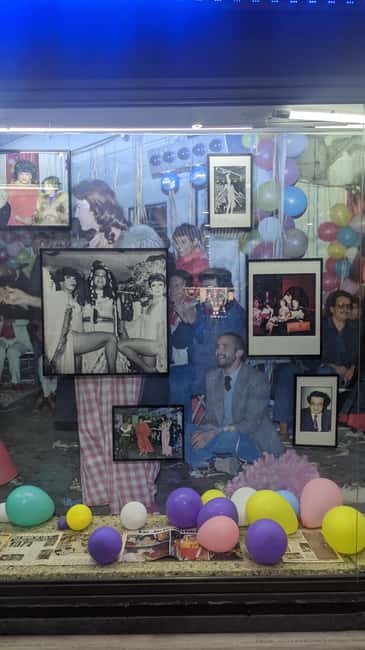
- A queer-focused route through the Historic Center: The walk links Alameda Central, the Palace of Fine Arts, Madero Avenue, Zócalo, and the area near Templo Mayor.
- Guides with a warm, personal style: Mannu and Ada Narcissa are named guides associated with the experience, and the tour is offered in English or French.
- A balance of past and present: You learn about important queer figures in Mexican history as well as contemporary artists and activists.
- A compact small group: The maximum of 10 participants should make it easier to ask questions and hear the guide.
- A full 150-minute walk: Plan for steady walking, sun exposure, and limited time to stop for food.
- Good value for a focused history walk: At $30 per person, the price is reasonable if you want a specialist subject rather than a general city introduction.
Why this queer history walk is different
Many Mexico City walking tours introduce you to major monuments, political events, and colonial buildings. This one asks a different question: where does LGBTQ+ life fit into the story of Mexico?
That change in focus matters. You do not simply pass famous places and hear the standard explanation. Instead, the guide uses the Historic Center as a setting for stories about queer people, social change, art, and activism. The route gives familiar landmarks a new meaning.
The subject is handled as both history and current life. You can expect discussion of important queer people from Mexico’s past, followed by attention to artists and activists working today. That combination keeps the walk from feeling trapped in a museum version of LGBTQ+ history.
The tone also appears to be one of the tour’s strongest points. Mannu is described as welcoming, warm, and humorous, while Ada Narcissa is praised for being friendly and well prepared. One assessment in Spanish and English called the experience life changing, while another described the guidance as warm and humanistic. Those descriptions point to a tour that aims for conversation and connection, not just dates and names.
Other city tours we've reviewed in Mexico City

Starting at Alameda Central
The meeting point is at Alameda Central Park, near the corner of Avenida Hidalgo and Dr. Mora Street. The guide is identified by a colorful umbrella, a useful detail in a crowded central district.
There may be two starting-location options shown when you book, including Avenida Hidalgo 437. Check the exact option attached to your reservation so you do not wait at the wrong corner. The route then moves on foot for about five minutes into Alameda Central.
Alameda is a fitting place to begin. It is one of the Historic Center’s major public spaces, and it lets the guide introduce the tour in an open, relaxed setting before the group moves into busier streets. The first part includes about 35 minutes of guided walking through the park.
You should arrive ready to listen while walking. This is not a sit-down talk with long breaks. The pace is designed to cover several places, so you will get more from it if you wear shoes that can handle hard pavement and bring water.
Hemiciclo a Juárez and the first stories
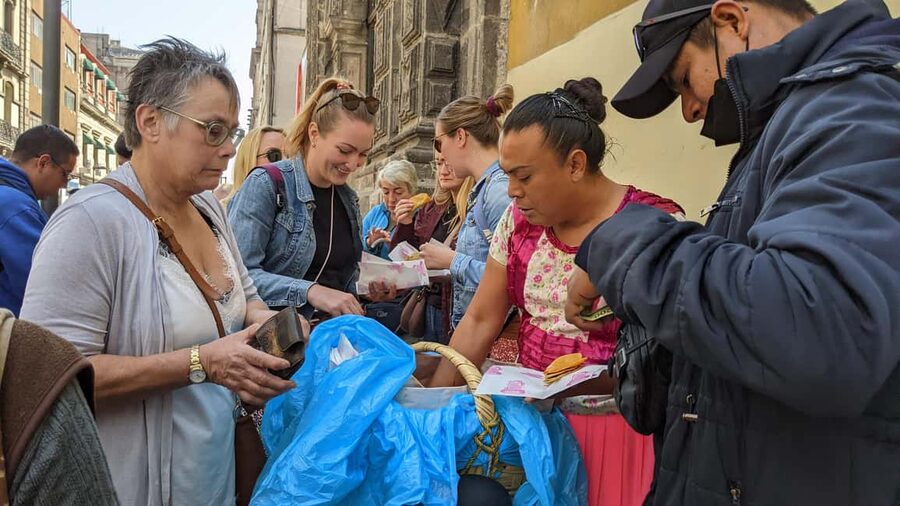
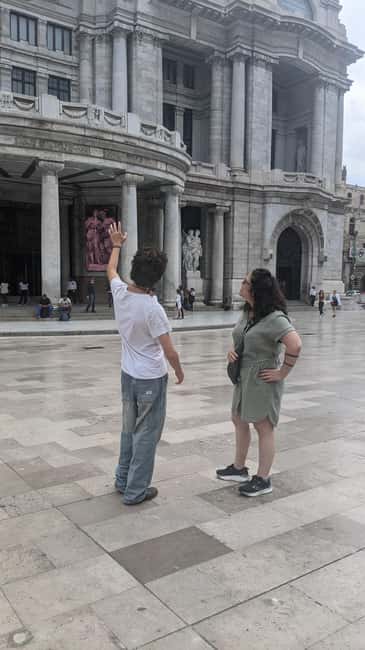
The first major stop is the Hemiciclo a Juárez, the white marble monument to Benito Juárez at the southern edge of Alameda Central. Here, the guide begins the queer and Mexican history portion of the experience.
The supplied details do not list every historical person or story covered, and that is useful to keep in mind. You are booking a guided interpretation rather than a fixed audio script with a published list of names. The exact emphasis may depend on the guide and the group’s questions.
That flexibility can work well for this subject. Queer history is often left out of standard city tours, so a guide can explain connections that are not obvious from the monument itself. You are encouraged to listen for how public memory, national identity, and LGBTQ+ lives meet in the same city spaces.
The stop is also a good early test of the tour’s style. If you prefer dates, architectural facts, and a fast checklist of landmarks, this may feel more conversational than expected. If you want context and room for human stories, the approach should suit you better.
Palace of Fine Arts and the role of public culture
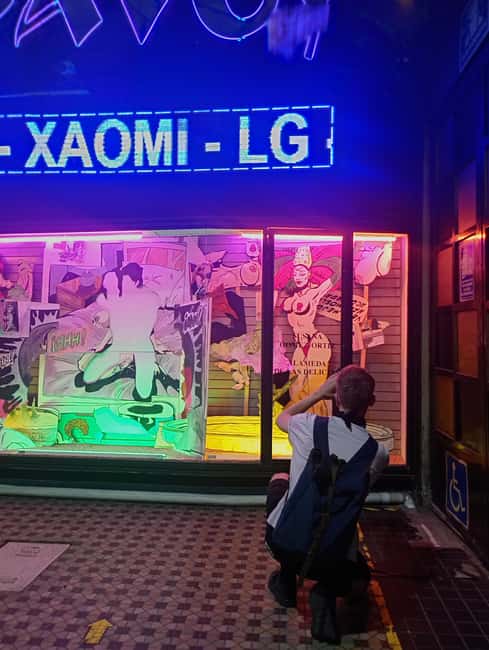
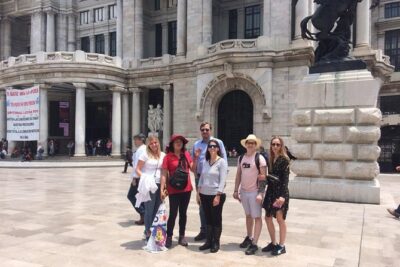
The route continues toward the Palace of Fine Arts, one of Mexico City’s most recognizable cultural buildings. The schedule allows about 10 minutes for sightseeing here.
The stop is not presented as an interior museum visit, so you should not expect included admission or a long look through the galleries. Its value is in the setting and the conversation around culture. The tour’s focus on contemporary queer artists gives the Palace of Fine Arts a natural place in the route, even if the guide’s exact examples can vary.
This is one of the strongest ideas behind the experience. Art is not treated as decoration added after the history lesson. It is part of the way queer people and communities express identity, challenge old ideas, and claim space in public life.
The short stop also keeps the walk moving. You will have time to see the building and hear the guide, but not enough for an extended architectural study. If you want to visit the Palace of Fine Arts inside, plan that separately.
Madero Avenue: history on a busy pedestrian street
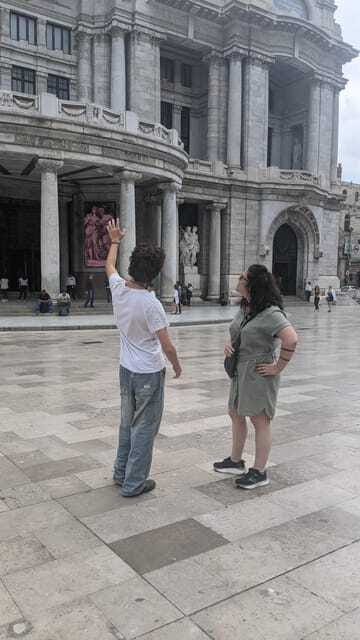
From the central cultural district, the tour proceeds along Avenida Francisco I. Madero toward the Zócalo. This is the longest connecting section of the walk, and much of it is on foot through a busy pedestrian corridor.
Madero is useful for this kind of tour because it connects major sights while keeping you in the middle of city life. You are not studying queer history in isolation. You are walking through one of the city’s main public routes, surrounded by shops, churches, historic facades, and everyday movement.
The guide’s job here is to keep the story alive while the group walks. Mannu is specifically praised for combining serious and funny sides during the route. That balance matters. A subject involving discrimination, identity, and political struggle needs care, but a tour that never lets you breathe can become heavy.
Expect to walk at a steady pace. The full experience lasts 150 minutes, and the route includes several outdoor sightseeing stops. There is no food included, so I would follow the practical advice to have a small lunch before starting, or eat afterward. A large meal right before a long city walk is less appealing than something light.
Other historical tours in Mexico City




Zócalo and the country’s public center
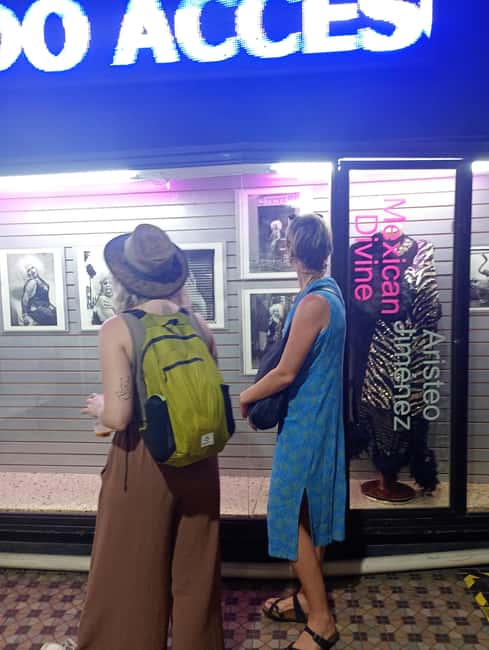
The walk reaches Zócalo, also called Plaza de la Constitución. This huge central square is one of the most important public spaces in Mexico, and it gives the guide a broad setting for discussing identity, politics, visibility, and change.
The supplied schedule lists Zócalo as a sightseeing stop rather than an attraction with included entry. You are there to look, listen, and connect the guide’s themes to the city around you.
This is where the tour’s wider point comes into focus. Queer Mexican history is not confined to private rooms or specialist archives. It is tied to the same plazas, avenues, institutions, and cultural sites that define the national story.
You may also find that the open square changes the feel of the group. Earlier sections through the park and along Madero are more linear. At Zócalo, there is room to pause and take in the scale of the surroundings before the final section near Templo Mayor.
Templo Mayor and the finish near La Casa de las Sirenas
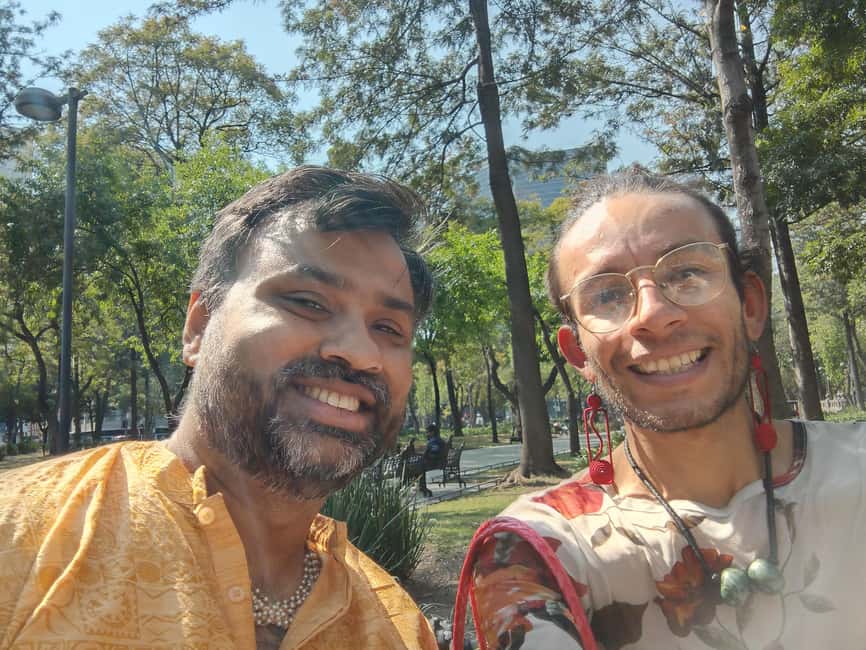
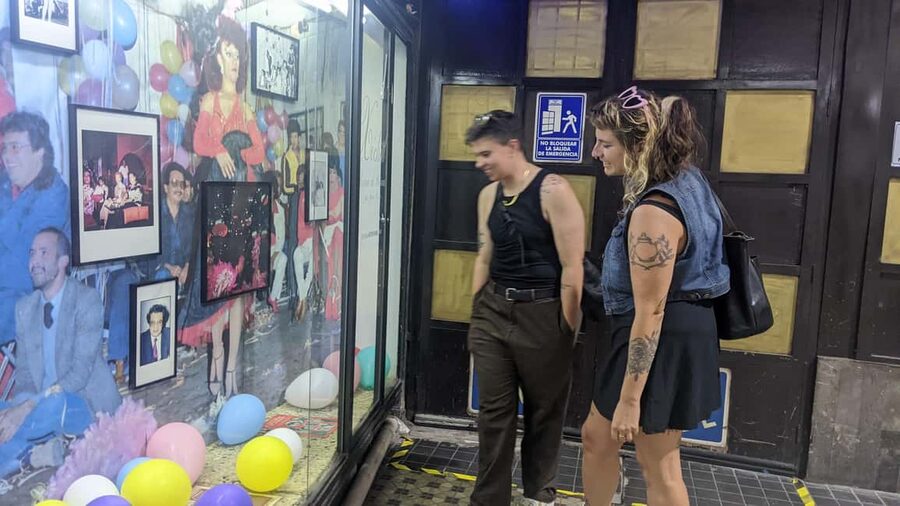
The walking tour finishes behind the Metropolitan Cathedral, near Templo Mayor. The listed final stop is Templo Mayor Museum, with the endpoint given as La Casa de las Sirenas.
Do not confuse this with an included museum visit. The tour information includes sightseeing at Templo Mayor but does not include admission to a museum or any other ticketed attraction. If you want to enter Templo Mayor Museum, you will need to arrange that separately.
Ending here is practical. Templo Mayor and the cathedral sit at the meeting point of several layers of Mexico City’s past, making the area a fitting place to close a conversation about history, memory, and the people whose stories are often left out.
The exact final position deserves a quick check when you book because the description also refers to finishing behind the Metropolitan Cathedral, near Templo Mayor, while naming La Casa de las Sirenas. These landmarks are in the same general area, but you should use the guide’s instructions for the precise pickup or meeting point.
What $30 gets you
At $30 per person, the experience is priced as a specialist walking tour rather than a basic orientation walk. You are paying for 150 minutes with a live guide, a focused LGBTQ+ subject, and a small group capped at 10 people.
That is fair value if this is a central reason for your visit. A general Historic Center tour may cover more buildings, but it is unlikely to give queer Mexican history this much attention. The value here comes from interpretation, not from admission tickets or included food.
The price is less attractive if you mainly want to see interiors, collect detailed architectural facts, or move quickly between major attractions. Nothing listed suggests that museum entry, meals, souvenirs, or transport are included. Your $30 covers the guided walk in English or French.
The option to reserve now and pay later gives you some planning flexibility, and cancellation is available up to 24 hours before the start for a full refund. Those policies are useful, but the main reason to book should be the subject and guide-led format.
Group size, language, and physical demands
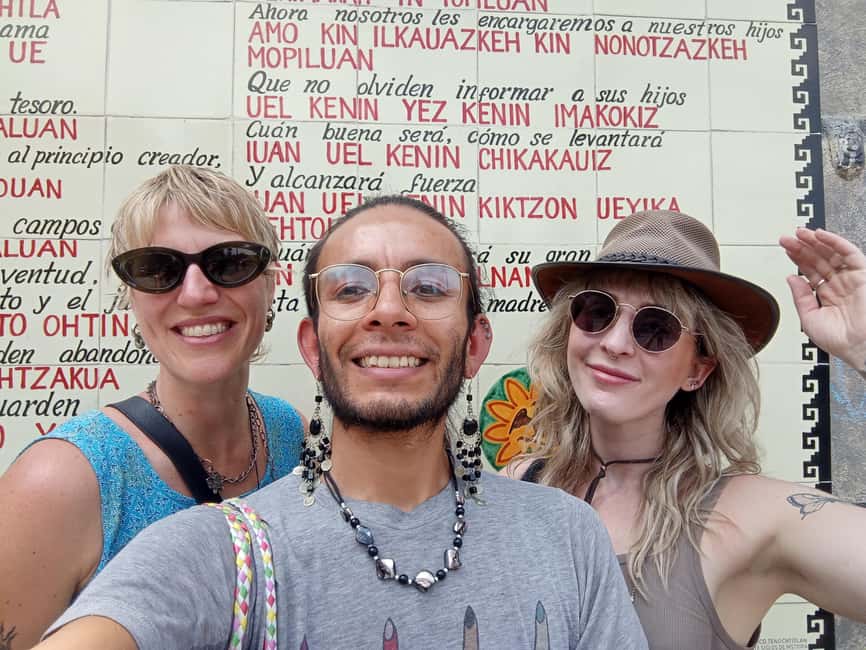
A maximum of 10 people is a real advantage in the Historic Center. Streets and plazas can be crowded, and a small group is easier to keep together. It also gives you a better chance to ask about a historical figure, an artist, or an idea that catches your attention.
The tour is available with a live guide in English or French. Confirm your chosen language at booking, especially if you are traveling with people who have different preferences.
Children under 11 are not suited to this experience. The material is aimed at older participants, and the 150-minute length requires attention as well as walking stamina.
Bring comfortable shoes and water. Add sunscreen and an umbrella, as the guide specifically recommends them. The umbrella is practical for weather and may also help you spot the guide at Alameda Central. Littering is not allowed, so carry any small waste until you find a bin.
Who should book this experience?
I would choose this walk if you want a more focused way to understand Mexico City and already have some interest in LGBTQ+ history, queer art, or activism. It is also a good fit if you have seen the main Historic Center sights before and want a new way to read them.
First-time visitors can book it too, especially if they prefer social history to a standard monument tour. Just remember that you may want a separate visit to the Palace of Fine Arts or Templo Mayor Museum, since this walk does not replace those attractions.
The tour suits solo visitors, couples, and small groups who enjoy discussion. It may not suit you if you dislike walking, need frequent seated breaks, or want a tightly scripted list of facts. The guide-led format leaves room for tone and conversation.
The strongest praise centers on the guides’ kindness and the way they make difficult material approachable. Mannu receives repeated approval for warmth, friendliness, humor, and a strong command of the subject. Ada Narcissa is also singled out for her welcoming manner and for showing the group several different places.
There is one warning in the available feedback: one participant reported that the walk lasted only 30 minutes rather than the advertised length. That conflicts with the stated 150-minute duration and with another account describing two and a half hours with Mannu. I would confirm the start time and expected duration when you meet the guide, particularly if your schedule is tight.
Should you book this Mexico City queer history tour?
Book it if you want to hear Mexico City’s past through LGBTQ+ lives, art, and activism rather than through a standard list of monuments. The route is central, the group is small, and $30 is reasonable for two and a half hours of focused guiding.
Skip it if you want substantial free time inside museums or a short landmark photo walk. For the right audience, this offers something harder to find: a direct, thoughtful connection between queer Mexican history and the public spaces of the capital.
FAQ
Where does the tour start?
The main meeting point is at Alameda Central, near the corner of Avenida Hidalgo and Dr. Mora Street. The guide holds a colorful umbrella. The booking information may show Avenida Hidalgo 437 as an available starting option, so check the exact option you reserve.
Where does the tour finish?
The walk finishes behind the Metropolitan Cathedral, near Templo Mayor. La Casa de las Sirenas is listed as the final point.
How long does the tour last?
The stated duration is 150 minutes, or two and a half hours.
What languages are available?
The live tour guide is available in English or French.
How many people are in the group?
The tour is limited to 10 participants.
Is food included?
No. Food and any souvenirs you buy during the walk are not included. You are advised to have a small lunch before the tour and bring water.
Is admission to Templo Mayor Museum included?
No admission is listed as included. Templo Mayor Museum is a sightseeing stop on the route.
Is the tour suitable for children?
The tour is not suitable for children under 11.
What should I bring?
Wear comfortable walking shoes and bring water. Sunscreen and an umbrella are also recommended.
More Historical Tours in Mexico City
More City Tours in Mexico City


More tours in Mexico City we've reviewed





Historical Tours, compared.
 ★ 5.0Historic Downtown Walking TourFrom $263 hours (approx.)
 ★ 5.0Historic Center Food Tour in Mexico CityFrom $1155 hours (approx.)
 ★ 4.8Mexico City: Historic Downtown Walking TourFrom $263 hours
 ★ 5.0Walking Tour of the Historic Center of Mexico City3 hours (approx.)
 ★ 5.0Mexico City Historical Centre Food Tour with 7 Authentic TastingsFrom $653 hours (approx.)
 ★ 5.0Walking Tour in Mexico City for Exploring their Cultural HeritageFrom $252 to 3 hours (approx.)
 ★ 5.0Walking Tour – Impressive murals in Historical Center of Mexico CityFrom $511 to 3 hours (approx.)
 ★ 4.5Mexico City: Guided walking tour through the most historic parts of the city.From $303 hours
The lists this tour appears in