
Reviewed · ROMA & POLANCO TOURS
Mexico City: Roma and Condesa Guided Walking Tour
Roma and Condesa are the Mexico City neighborhoods where early 1900s architecture meets modern food, fashion, and design. This 4.5-hour walk gives you more than a quick look at pretty streets. You trace how the areas changed after the 1985 earthquake and how they became two of the city’s most sought-after districts.
In This Article
- Key points to know before booking
- Starting at Cafe Nin in Roma
- Reading Roma through its early architecture
- From old homes to galleries, bookstores, and design shops
- Tacos and a Rosetta pastry break up the walking
- Understanding the 1985 earthquake and the neighborhoods today
- Why four and a half hours matters
- Is $163 a fair price for this Mexico City walk?
- Who will get the most from this tour?
- Practical details that can make the walk better
- Should you book the Roma and Condesa walking tour?
- FAQ
- How long does the Roma and Condesa walking tour last?
- What languages are available?
- Where does the tour meet?
- Is transportation included?
- What food and drinks are included?
- Does the tour include extra food and drinks?
- What should I bring?
- Is the tour suitable for people with mobility impairments?
- Can I cancel for a full refund?
I like the mix of serious architectural history and small food stops, especially the chance to compare old photographs with the streets in front of you. I also like that your guide has an academic background in art history, history, or archaeology. The main caution is simple: this is a long walk, often in the morning, with no transportation and limited suitability for anyone with mobility problems.
Key points to know before booking
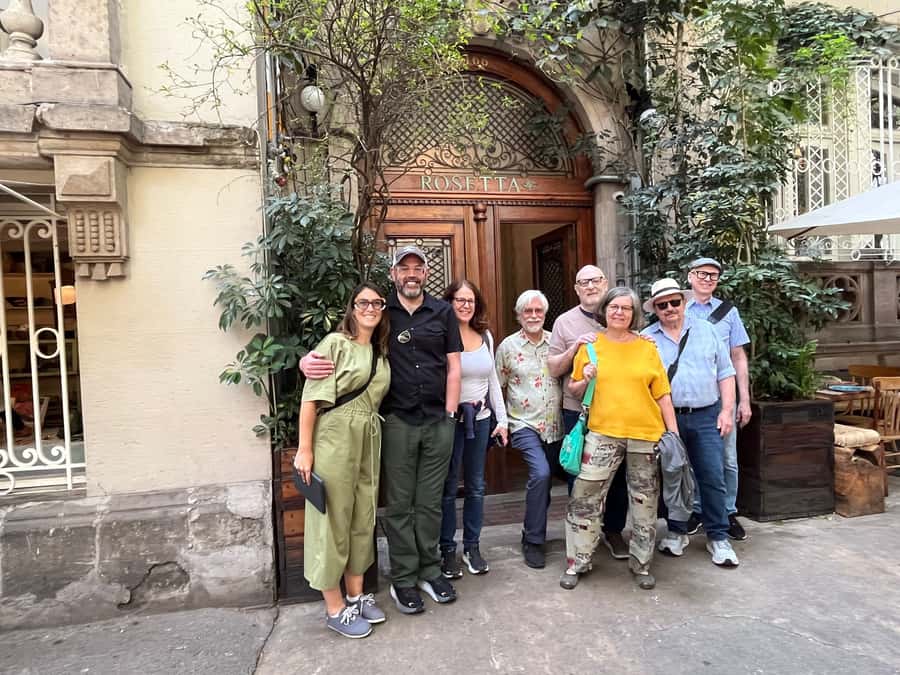
- Art Nouveau and Art Deco in context: You see the styles on main streets, squares, and early 20th-century homes while learning how the neighborhoods developed.
- Food is part of the walk: The price includes one to three tacos, a drink, a Rosetta pastry, and another beverage.
- Guides bring academic training: The tour is led in English or Spanish by a guide with a graduate academic degree in a related field.
- Old photographs make change visible: Images from the 1910s and 1920s help you compare past and present Roma and Condesa.
- Expect four to five hours on foot: Wear proper walking shoes, use sunscreen, and bring a hat and rain gear.
- The price is on the high side: At $163 per person, the value depends on how much you want food, architecture, and expert interpretation in one outing.
Starting at Cafe Nin in Roma
The tour begins at Cafe Nin, where your guide waits outside the restaurant wearing a Walk Mexico T-shirt or pashmina. That clear meeting point matters in a city as large as Mexico City, especially if you are trying to arrive on time without arranging a separate transfer.
Transportation is not included, so you need to make your own way to Cafe Nin. The activity usually runs in the morning and lasts about 4.5 hours. Plan your arrival with enough time to find the cafe and settle in, since the walk starts from there and does not include a vehicle transfer to the next neighborhood.
Your guide may be Hector or Natalia, two names associated with especially warm and engaging tours. Hector has been praised for making the walk entertaining from start to finish, while Natalia is known for creating the feeling of a friend showing you her own neighborhood. The important point is that the guide is not simply there to point out facades. The format calls for someone with graduate-level training in art history, history, or archaeology.
If the group is large, headsets are provided. That is a useful detail for a walking tour, since traffic, street noise, and a spread-out group can make it hard to catch every explanation.
A few more Mexico City tours and experiences worth a look



Reading Roma through its early architecture
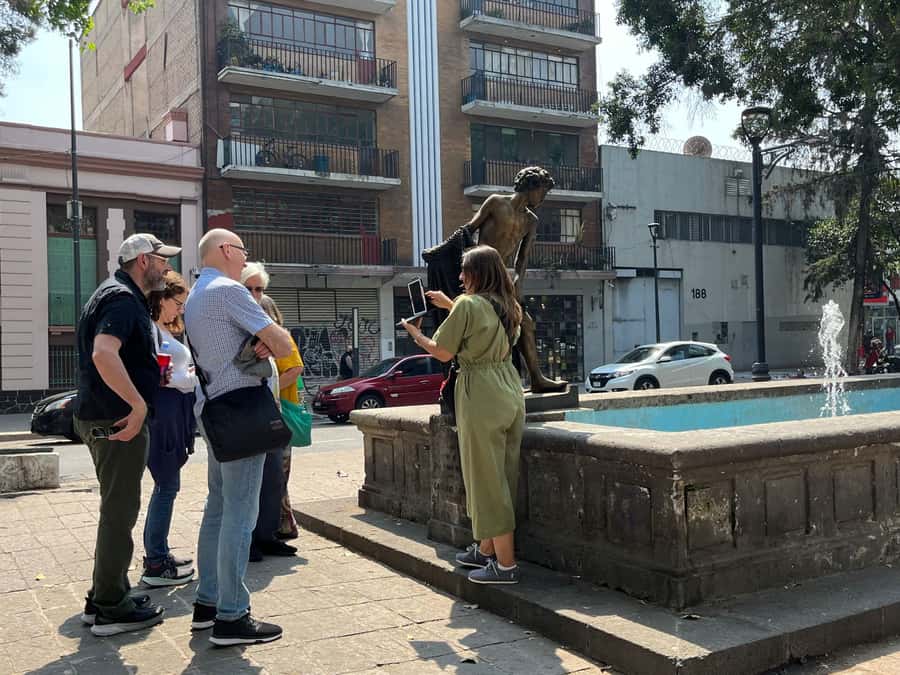
Roma is best understood on foot, where the architecture appears in sequence rather than as isolated sights. The walk focuses on main streets, squares, shops, restaurants, and homes built in the early 1900s.
The architectural focus is one of the strongest reasons to book this tour. Art Nouveau and Art Deco can sound like dry labels when you meet them in a textbook. Here, your guide can connect those styles to actual buildings and show how the decorative details, lines, and forms fit into the neighborhood’s development.
The experience may include entering homes built in the early 20th century. That is more revealing than simply photographing an exterior. From inside, you get a better sense of how these residences were planned and how the district once served as a fashionable urban quarter.
You also look at photographs from the 1910s and 1920s. I like this method because it gives the architecture a time scale. Instead of hearing that Roma has changed, you can compare old images with what remains today. A building, square, or street corner becomes evidence of several different eras.
Do not expect a museum-style tour with a long stop at each building. You will be walking through active neighborhoods, so the pace combines short explanations with movement. If architecture is your main interest, stay close to the guide and ask questions when you see a detail you want explained.
From old homes to galleries, bookstores, and design shops
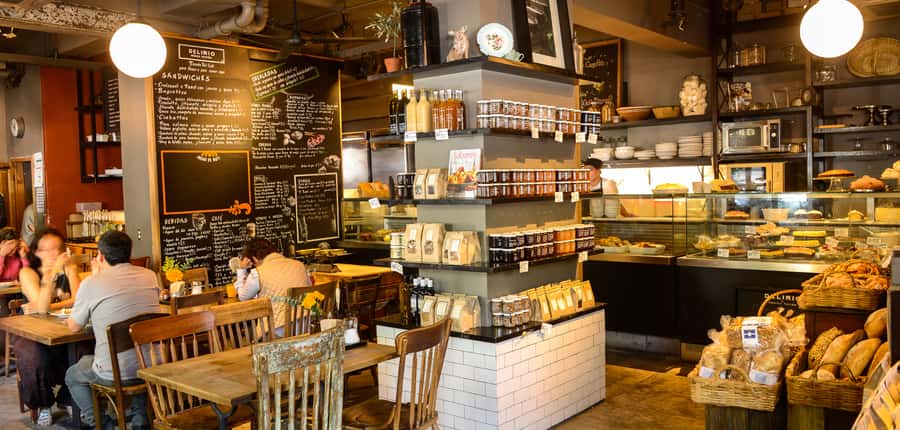
The walk is not limited to monuments. You visit art galleries, designer shops, fashion stores, bookstores, cultural centers, restaurants, and other local spots along the route.
That mix helps explain why Roma and Condesa feel different from a traditional historic-center tour. The point is not only to see old buildings. You also see how the neighborhoods work today, with creative businesses occupying streets that once had a very different role.
I appreciate this part because shops give the walk a human scale. A facade tells you about the past, while a bookstore or design shop shows what the area values now. You may find a place you want to return to later, but the tour is not built around shopping. You are there to understand the neighborhood, not to spend the afternoon carrying bags.
The same balance applies to the restaurants. You get a taste of the local food scene, but this is not a full food tour. Extra food and drinks cost more, so keep that distinction in mind when comparing the $163 price with other Mexico City activities.
The route includes both Roma and Condesa, rather than treating them as one interchangeable district. That matters because their streets and public spaces have their own character, and the tour is designed to explain how each area developed.
Tacos and a Rosetta pastry break up the walking
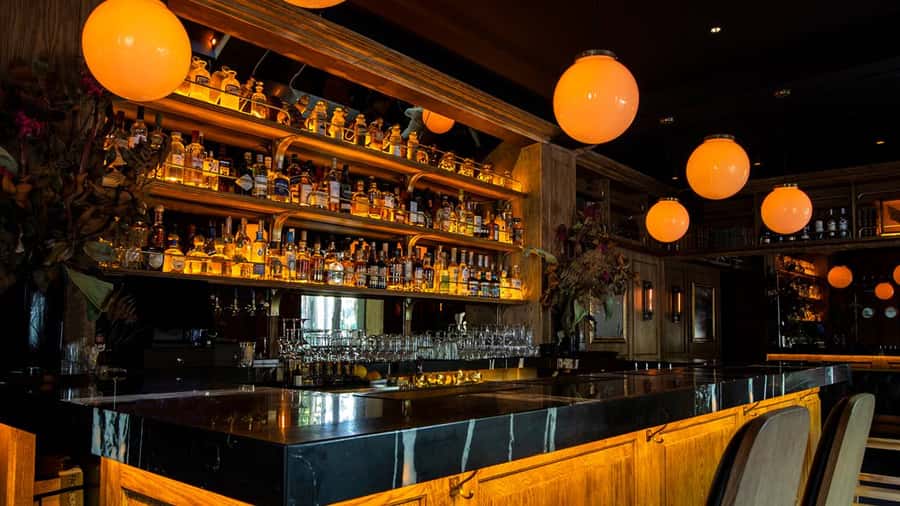
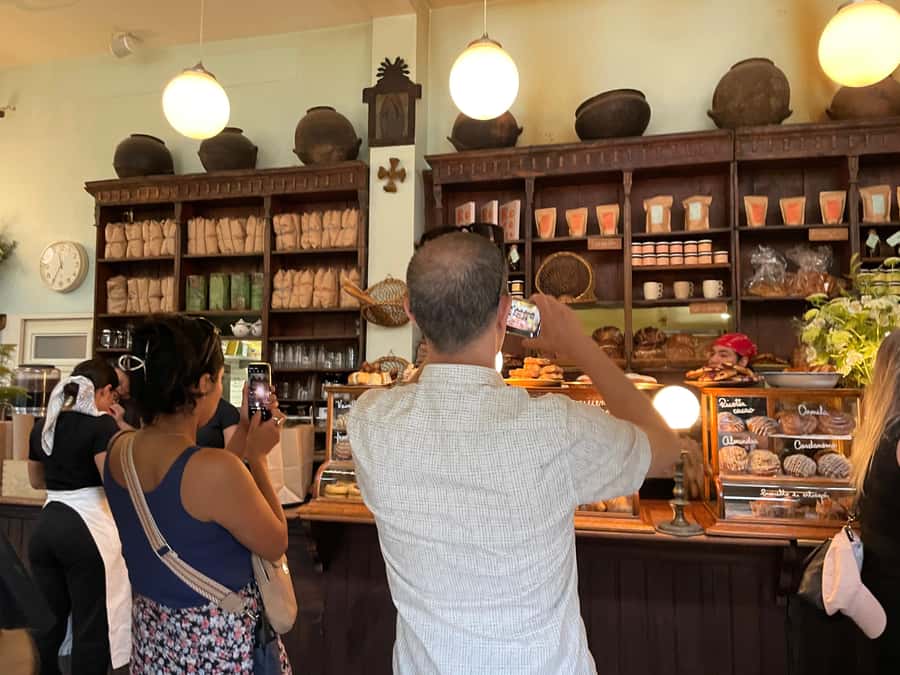
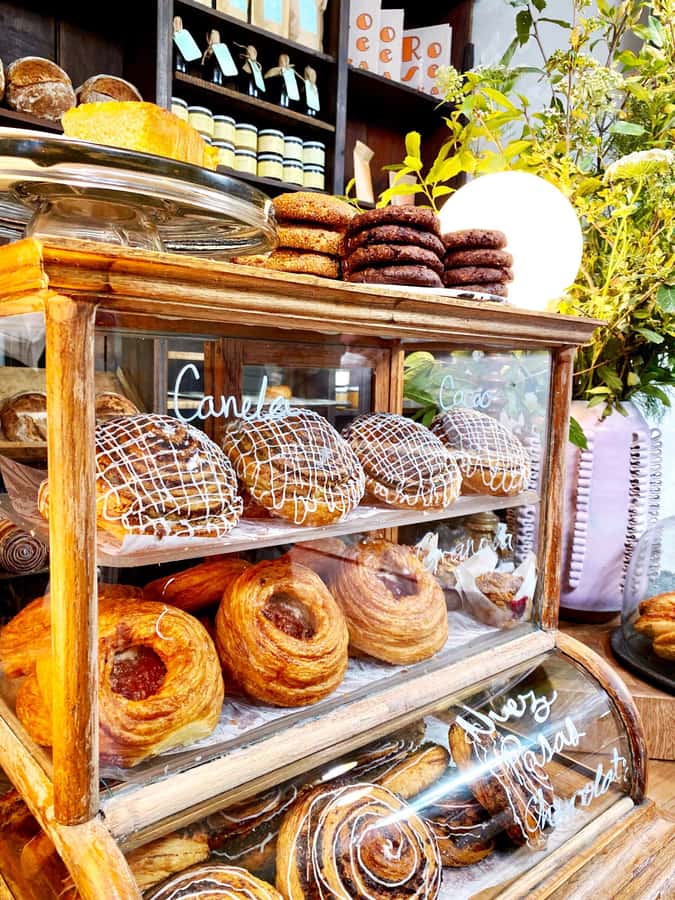
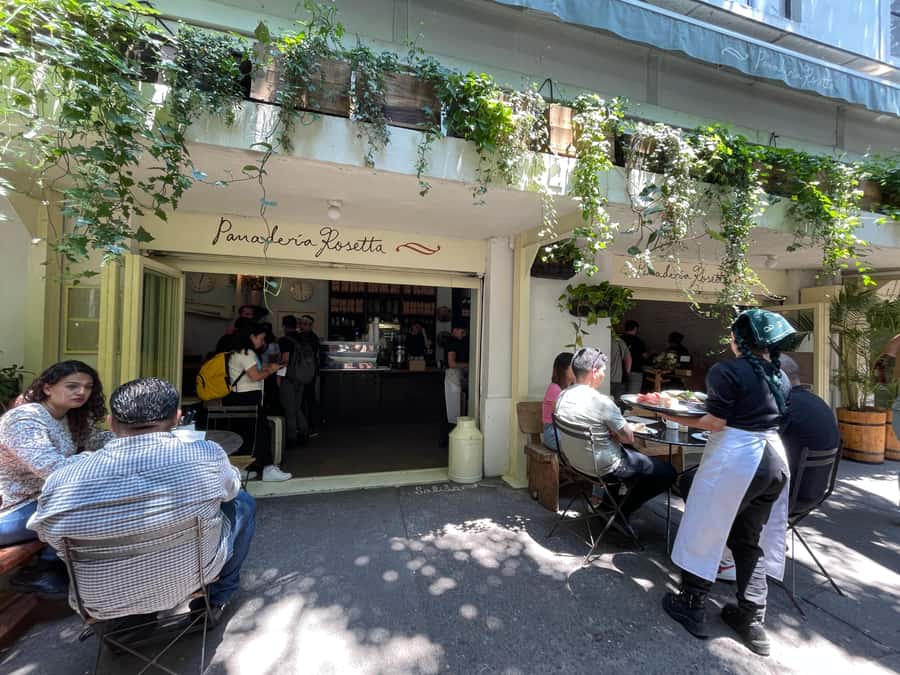
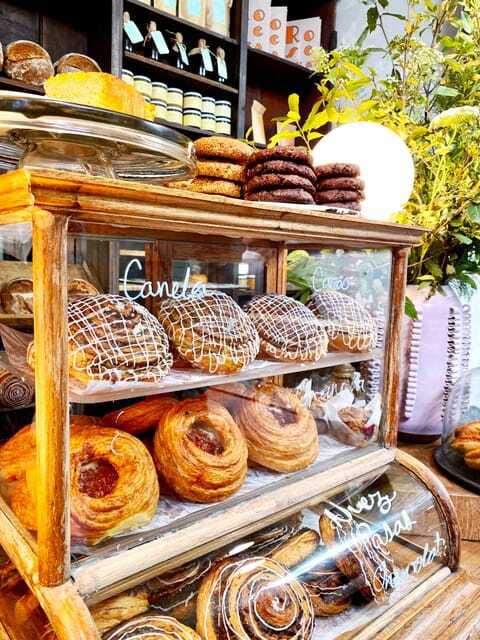
The included food stops make the long route easier to enjoy. You receive a Rosetta pastry and a beverage, plus one to three tacos and a drink such as beer, water, or soda.
The taco allowance varies from one to three, so you should not book this expecting a full lunch. Think of the food as a series of tastes built into the walk. You get something savory, something sweet, and a chance to pause while the guide continues the neighborhood story.
The Rosetta pastry is a particularly useful touch for a morning tour. If you have already eaten breakfast, it works as a small treat. If you have not, it gives you some fuel before the longer stretch of walking.
The taco stop gives the tour a more local rhythm than a purely architectural outing. You are not just looking at streets from a distance. You are also sampling foods connected to the city’s everyday restaurant culture.
You should budget for extra food if you normally eat a large breakfast or lunch. The included amount is limited, and additional drinks are not covered. That is not a flaw, but it is important when judging the cost.
Understanding the 1985 earthquake and the neighborhoods today
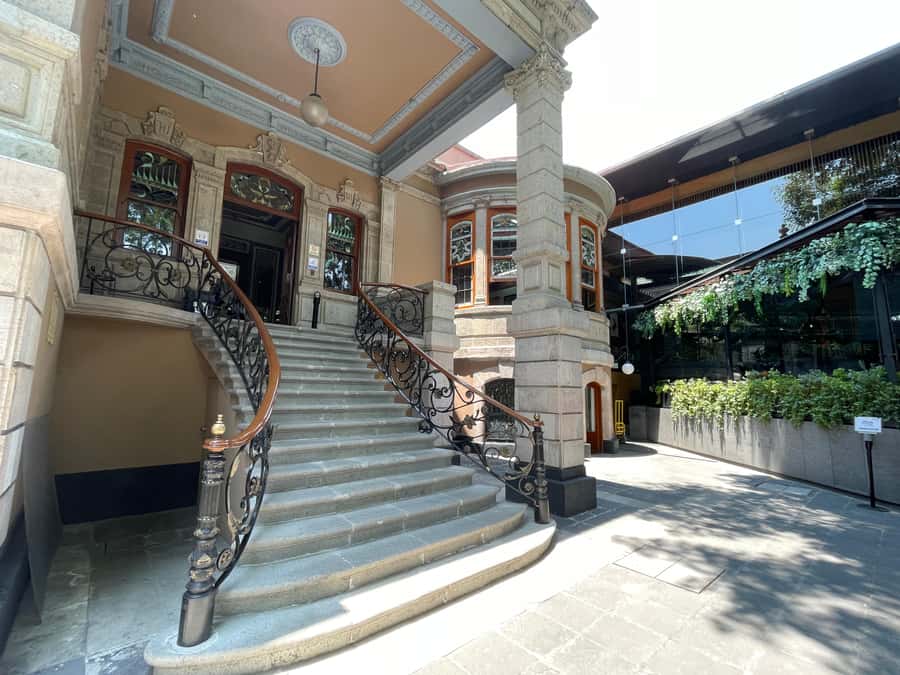
The tour also covers the 1985 earthquake and the changes that followed. This is valuable context because Roma and Condesa are often presented only as stylish districts full of restaurants and design shops.
A good guide can help you see the gap between the neighborhoods’ current image and the harder periods in their past. The earthquake is part of that story, as is the more recent growth that brought new gastronomy, fashion, and design businesses.
The last twenty years are especially important. Roma and Condesa have flourished and become highly desirable, but that growth has also brought gentrification. The tour addresses this change rather than pretending the neighborhoods appeared in their current form overnight.
For me, that is one of the more useful parts of the experience. You get a way to think about the polished storefronts and renovated buildings without treating them as the whole story. The tour can show how preservation, new business, and rising popularity sit side by side.
The exact balance will depend on the guide and group questions. Natalia, in particular, has been praised for discussing both the neighborhood’s appeal and its gentrification in a way that felt natural rather than like a lecture. That kind of conversation can make the walk feel more personal and less scripted.
Other walking tours we've reviewed in Mexico City



Why four and a half hours matters
Four and a half hours is long for a walking tour, but the duration is part of the value. Roma and Condesa are large enough that a short stroll would leave out much of the contrast between architecture, public squares, shops, food, and recent change.
The length also means you need to plan your day around it. A morning departure may take up most of the first half of your day, and the tour involves four to five hours of walking. Comfortable shoes are not optional. Bring sunscreen and a hat, and pack rain gear because the activity takes place outside for much of the time.
There is no transportation included. You walk from Roma toward Condesa, stopping along the way rather than riding between sights. That makes the experience more connected to the streets, but it also rules it out for anyone who needs frequent rest or cannot manage a long urban route.
People with mobility impairments should choose another activity. The route includes shops, restaurants, parks, squares, and architectural stops, so the amount of walking is central to the design rather than a minor detail.
Large groups may receive headsets, which helps with sound but does not change the basic pace. If you prefer a very private, slow tour, check the group arrangements before booking. The supplied details do not promise a private experience.
Is $163 a fair price for this Mexico City walk?
At $163 per person, this is a premium walking tour. You are paying much more than you would for a casual neighborhood stroll or a self-guided route.
The price makes more sense if you want several services combined: a 4.5-hour guided walk, an academically trained guide, architectural interpretation, historical context, visits to cultural and design-oriented places, tacos, a pastry, and drinks. It also saves you the work of researching which streets and buildings matter.
The food itself does not justify the price. One to three tacos, a pastry, and beverages are welcome additions, but they are not a full meal. The real value is the guide’s interpretation and the way the route links architecture with social change.
I would book it for a first or second visit if you want to understand where Mexico City’s creative energy is concentrated. I would be more hesitant if you already know Roma and Condesa well, dislike long walks, or mainly want a cheap way to sample tacos.
The five-star rating from seven published evaluations suggests a strong record, with particular praise for organization, warmth, architecture, and the guides’ ability to keep the walk lively. That is encouraging, but the small number means you should still judge the tour by its format and price rather than relying on the rating alone.
Who will get the most from this tour?
This tour suits you if you like cities best when buildings, food, and daily life are explained together. It is especially useful for anyone interested in Art Nouveau, Art Deco, urban change, design, fashion, and the way a neighborhood reinvents itself.
It also works well early in your stay. After the tour, you will have a better sense of Roma and Condesa and may want to return to a bookstore, gallery, cafe, restaurant, or shop you noticed along the way.
You do not need to be an architecture specialist. The academic background of the guide should provide detail, but the strongest comments about Hector and Natalia point to an easy, friendly style rather than a stiff classroom talk.
I would skip it if your priorities are Mexico City’s major archaeological sites, Frida Kahlo, Xochimilco, or the historic center. Those are separate experiences, and this tour stays focused on two urban neighborhoods.
Practical details that can make the walk better
Wear shoes you would trust for a full day on pavement. Sandals or fashionable shoes may look right in Condesa, but they will not help after several hours.
Arrive at Cafe Nin with your booking details ready and look for the Walk Mexico logo on the guide’s shirt or pashmina. Since transport is not included, check your route to the cafe before the morning begins.
Keep some flexibility after the tour. The food included is modest, and you may want a proper meal afterward. You may also find a shop, gallery, or restaurant worth revisiting, which is one of the quiet benefits of seeing these neighborhoods at walking pace.
Cancellation is free up to 24 hours before the activity for a full refund, and you can reserve now while paying later. Those terms are useful if your Mexico City schedule is still shifting.
Should you book the Roma and Condesa walking tour?
Book it if you want a detailed, food-touched look at two of Mexico City’s most design-focused neighborhoods and you are comfortable walking for nearly five hours. The strongest reasons are the guide’s academic training, the old photographs, the early architecture, and the honest attention to the 1985 earthquake and later gentrification.
Think twice if $163 feels high for a walking tour or if you want a larger meal, private transport, or a shorter route. For the right person, this is not a bargain outing, but it is a well-rounded way to understand Roma and Condesa beyond their fashionable surface.
FAQ
How long does the Roma and Condesa walking tour last?
The tour lasts 4.5 hours and involves about four to five hours of walking.
What languages are available?
The tour is offered in English and Spanish with a live guide.
Where does the tour meet?
You meet at Cafe Nin. The guide waits at the front of the restaurant wearing a Walk Mexico T-shirt or pashmina with the company logo.
Is transportation included?
No. You are responsible for getting to the meeting point, and transportation is not included during the walking tour.
What food and drinks are included?
You receive a Rosetta pastry and a beverage. You also receive one to three tacos and a beverage, which may be beer, water, or soda.
Does the tour include extra food and drinks?
No. Any additional food or drinks are at your own expense.
What should I bring?
Bring comfortable shoes, sunscreen, a hat, and rain gear.
Is the tour suitable for people with mobility impairments?
No. The activity involves four to five hours of walking between neighborhoods, shops, restaurants, parks, and architectural sites.
Can I cancel for a full refund?
Yes. You can cancel up to 24 hours in advance for a full refund. You can also reserve now and pay later.
More Guided Tours in Mexico City

More Walking Tours in Mexico City
More Roma & Polanco Tours in Mexico City


More tours in Mexico City we've reviewed





Roma & Polanco Tours, compared.
 ★ 5.0Polanco Food Tour: The Bestselling Food Adventure in Mexico CityFrom $1093 hours (approx.)
 ★ 5.0Colonia Roma Food TourFrom $1104 hours (approx.)
 ★ 4.9Mexico City: 3–Hour Polanco Food TourFrom $1053 hours
 ★ 5.0Michelin Taco Bike Tour: Roma Norte & Condesa /All-Inclusive.From $1013 hours 30 minutes (approx.)
 ★ 5.0Mexico City: Roma & Condesa Private & Personalized Walking TourFrom $772 to 5 hours (approx.)
 ★ 5.0Tacos and Mezcal Experience in Polanco!From $493 hours (approx.)
 ★ 5.0Epic Condesa and Roma Norte Walking TourFrom $594 hours 30 minutes (approx.)
 ★ 4.9Mexico City: Roma and Condesa Neighborhoods Walking TourFrom $583 hours
The lists this tour appears in