
Reviewed · HISTORIC CENTER WALKS
Mexico City: 10 Wonders of the Historic Center
Mexico City’s past comes at you in layers on this three-hour walk: Aztec ruins under Spanish churches, grand European-style buildings beside simple food stalls, and Diego Rivera’s mural tying the story together. The route covers ten major sights, ending with Templo Mayor and a Mexican meal.
In This Article
- Key points at a glance
- Rivera’s mural gives the walk its best opening
- Alameda Central leads you into the grand center
- Palace of Fine Arts is a quick look, not a full visit
- The Postal Palace shows off old-world style
- House of Tiles adds a more intimate landmark
- Bread and sweets make the history easier to remember
- Gran Hotel’s ceiling is one of the route’s visual treats
- The Metropolitan Cathedral brings the Spanish chapter forward
- Templo Mayor connects the ruins beneath your feet
- What $78 buys you in practical terms
- The walking pace deserves careful thought
- The guide can make or break the morning
- Who should book this Historic Center walk
- Should you book it?
- FAQ
- How long does the Mexico City Historic Center tour last?
- What language is the tour offered in?
- What sights are included?
- Is lunch included?
- Are food tastings included?
- Is transportation included?
- How large can the group be?
- Is the tour wheelchair accessible?
- Can I cancel for a refund?
I like the compact route, which links the Diego Rivera Mural Museum, Alameda Central, Palace of Fine Arts, Postal Palace, House of Tiles, cathedral, and Aztec remains without private transport. I also like the food stops, especially the chance to try traditional bread and sweets rather than treating lunch as an afterthought.
The main drawback is that this is a real walking tour, not a vehicle-based sightseeing trip. One booking ended early after a late start, slow pacing needs, and a guide who seemed unsure of the route, so I would confirm that you can manage steady walking and ask for clear meeting details before paying.
Key points at a glance
- Rivera’s Alameda mural: Spend about 30 minutes with Diego Rivera’s sweeping scene of Mexico City history and famous figures.
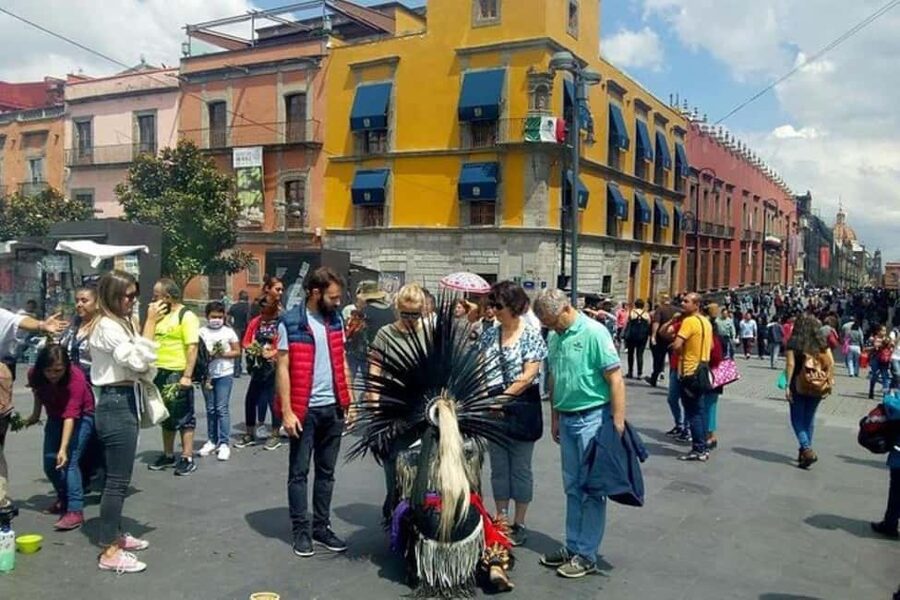
- Ten central sights in three hours: The route links major landmarks with short walks and photo stops.
- Food is part of the tour: Expect traditional bread, Mexican sweets, and a meal at a local restaurant.
- A strong history theme: Indigenous Aztec foundations and Spanish colonial influence appear throughout the walk.
- Small group size: The maximum is 15 people, with live guiding in English or Spanish.
- A mixed guide experience: Miguel received especially warm praise, but one booking reported lateness, poor organization, and an early departure.
Rivera’s mural gives the walk its best opening
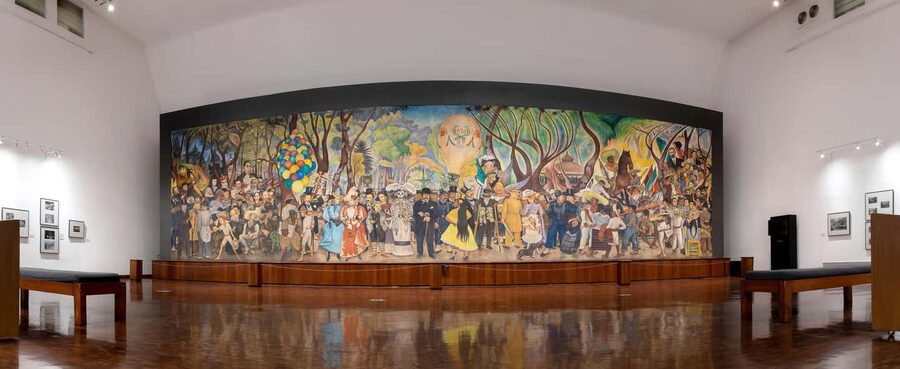
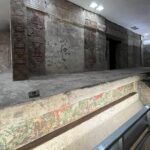
The tour begins at GZ + P Arquitectos before moving to the Diego Rivera Mural Museum. Give this first stop its full half hour. The central work, Dream of a Sunday Afternoon in the Alameda Central, is not just a large painting to admire before moving on. It is a visual lesson in Mexico’s past.
Rivera places historic personalities and social types together in the Alameda, Mexico City’s famous central park. Your guide can use the mural to explain the meeting of indigenous traditions, Spanish rule, political change, and modern Mexican identity. That makes the opening useful, because the rest of the tour keeps returning to those same layers.
I especially like starting indoors. The museum offers a quieter first stop before the street portion begins, and the mural gives you names and images to watch for as you walk. If art is your main interest, this is one of the most valuable parts of the experience.
The schedule allows about 30 minutes here, so do not expect a full museum visit. You will get an introduction and time to see the main mural, but not a slow examination of every display.
A few more Mexico City tours and experiences worth a look



Alameda Central leads you into the grand center
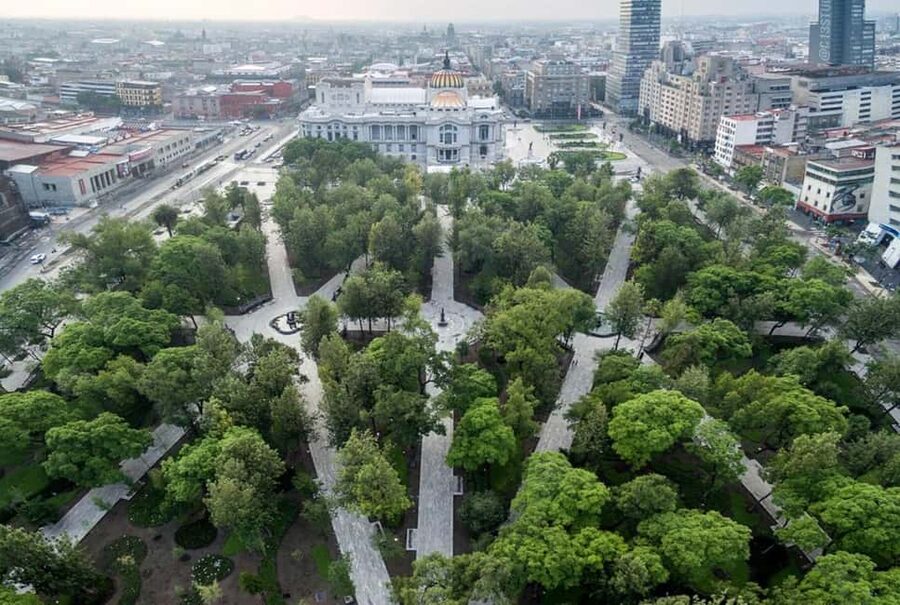
From the museum, you walk through Alameda Central for about 15 minutes. It is described as the oldest park in the Americas, and its importance is easy to understand once you see its place beside Mexico City’s grandest buildings.
This is a short walk, not a guided park tour. Still, the setting helps connect Rivera’s painted Alameda with the real public space outside. It also gives you a break from enclosed rooms before the architecture stops begin.
I like this transition because it keeps the story in one neighborhood. You are not spending time in a van crossing the city. You are moving from art to public space, then to theaters, government buildings, shops, churches, and archaeological remains on foot.
Keep your pace comfortable here. The entire experience lasts only three hours, and the schedule leaves little room for long pauses.
Palace of Fine Arts is a quick look, not a full visit

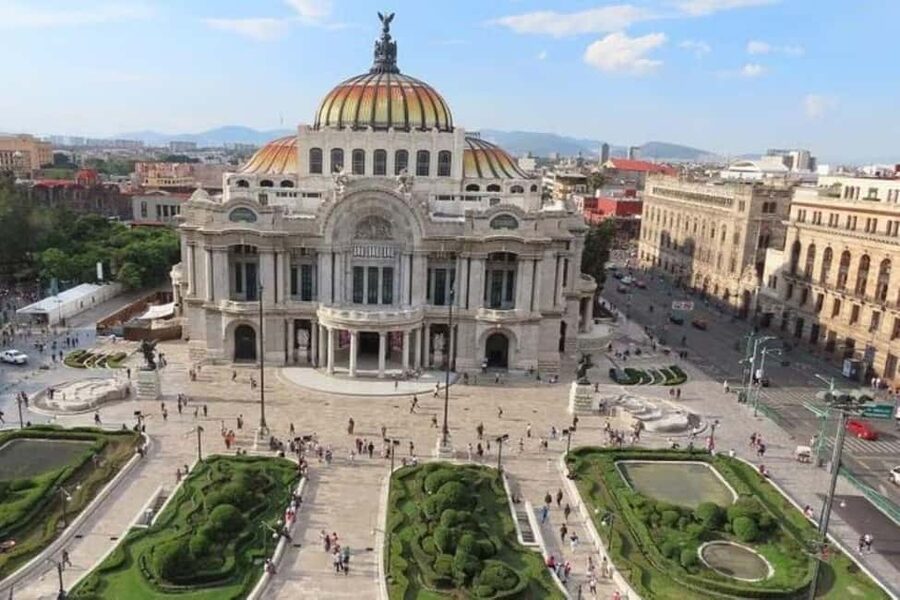
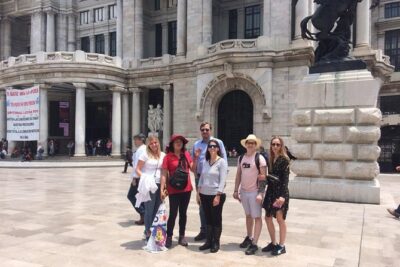
The Palace of Fine Arts comes next, with about 15 minutes set aside for a photo stop. Its exterior combines grand architectural ideas from Europe with the character of Mexico City. The building is one of the city’s signature sights, and its location makes it an easy link between Alameda Central and the next stops.
The important practical point is the word photo stop. You should expect to admire the exterior and hear an explanation, not tour the concert hall or museum galleries inside. If you want a detailed look at the building’s art collections, schedule separate time.
A short visit works well in this tour because the route has so many landmarks. You get the visual reward of one of the Historic Center’s most famous buildings without spending half the afternoon in one place.
The Postal Palace shows off old-world style
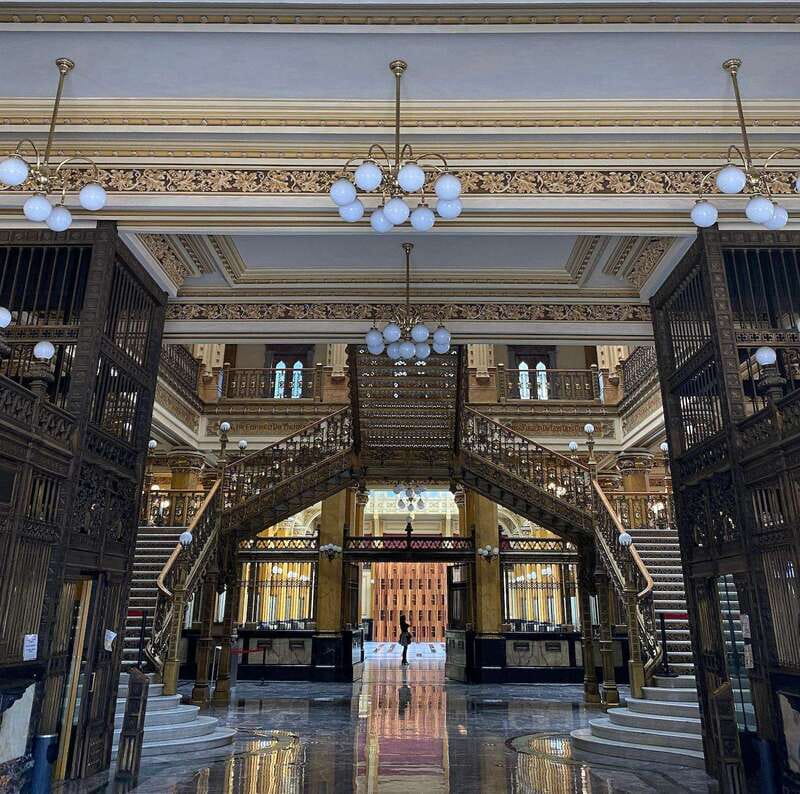
The Palacio de Correos de México follows, again with around 15 minutes for photographs. This is one of the route’s more surprising buildings. Its elaborate interior and exterior details make an ordinary post office feel more like a palace.
Your guide can point out the building’s ornate design and explain how Mexico City adopted and reshaped European architectural styles. That contrast is central to the tour. Spanish influence and later European tastes appear here, while indigenous history remains only a short walk away.
Since this is another photo stop, plan to look carefully rather than linger. A quick tour can show you the grand staircase and decorative details if access permits, but the stated schedule does not promise a full interior visit.
House of Tiles adds a more intimate landmark
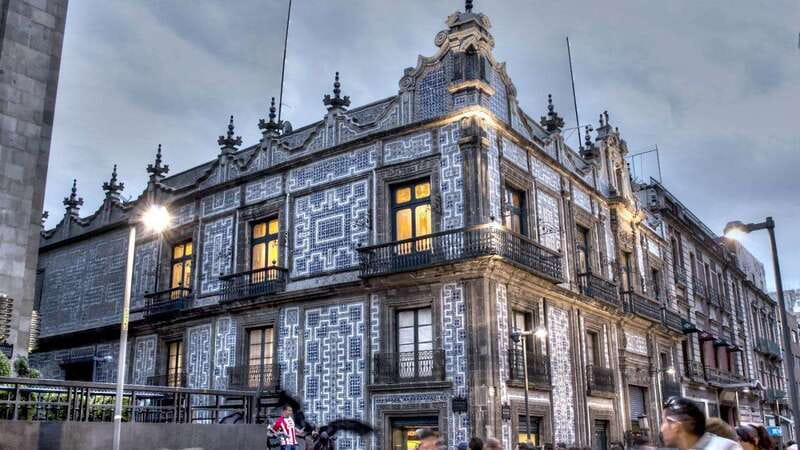
Casa de los Azulejos, or the House of Tiles, is another 15-minute photo stop. Its blue-and-white tile facade makes it easy to recognize, but the building is more than a pretty background for photographs.
It helps you see how private and commercial architecture shaped the Historic Center. The route moves from monumental public buildings to a structure with a more personal, decorative character. That variety keeps the walk from becoming a parade of similar facades.
You will want your camera ready here, but listen to the explanation too. The value of the stop is the connection between the building’s appearance and the city’s long habit of blending outside design ideas with local culture.
Other city tours we've reviewed in Mexico City




Bread and sweets make the history easier to remember
Food gives this tour its most human scale. The route includes the famous Ideal Bakery, a stop identified for tasting traditional bread, followed by a visit connected with Mexican sweets. The schedule also lists Dulcería de Celaya for about 10 minutes.
The names and timing suggest a quick tasting rather than a full food tour. You should expect small samples or a chance to try traditional items while the guide explains their place in Mexican daily life. Lunch is included later, so these stops add flavor without replacing the main meal.
I like this part because it breaks up the architecture. After several grand buildings, a bakery or sweets shop gives you something to taste and remember. It also lets you experience the center through ordinary food traditions, not only through monuments.
The supplied route names the sweets stop in two different ways, so I would ask the operator to confirm the exact food stops before booking. The itinerary identifies Dulcería de Celaya, while the main description refers to a Temple of Mexican sweets. That small inconsistency should not ruin the experience, but clear information is helpful.
Gran Hotel’s ceiling is one of the route’s visual treats
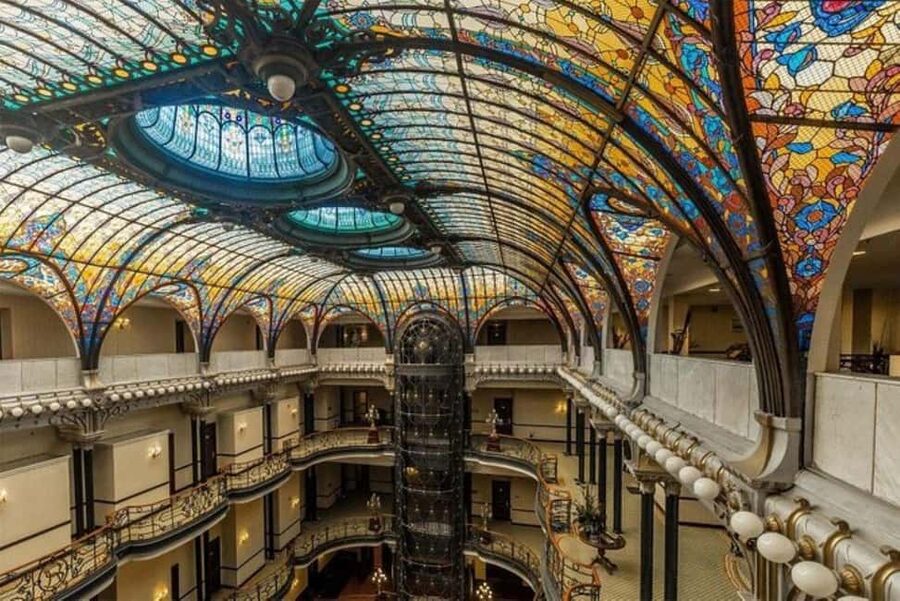
The elegant Gran Hotel of Mexico is included for its impressive Tiffany stained-glass ceiling. This is one of the tour’s strongest interior details, since the ceiling gives you a memorable view without requiring a long museum visit.
The stop shows another side of the Historic Center’s architecture. The route is not limited to Aztec ruins and Spanish churches. It also includes the grand hotels and commercial buildings that reflect later chapters of Mexico City’s development.
Allow about 15 minutes for the visit. That is enough for photographs and a short explanation, but you may want to return on your own if the building captures your interest.
The Metropolitan Cathedral brings the Spanish chapter forward
The Metropolitan Cathedral of Mexico City receives another 15-minute visit. It is one of the largest churches in Latin America, and its location is central to understanding how colonial Mexico City was built over the earlier Aztec capital.
This stop carries more historical weight than a simple church photo. The cathedral represents Spanish Catholic power, while the final Templo Mayor stop points to the indigenous city beneath and around it. Seeing both in one morning makes the contrast plain.
The time is brief, so expect an introduction rather than a close study of every chapel, altar, and artwork. Dress and behave respectfully inside a working religious building. If you want quiet time for prayer or detailed architecture, plan a return visit.
Templo Mayor connects the ruins beneath your feet
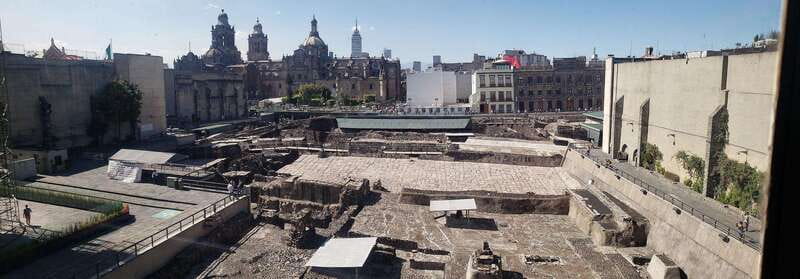
The tour closes near Templo Mayor, with about 15 minutes listed for a photo stop before a 30-minute meal at a local restaurant. The ruins are the clearest reminder that modern Mexico City was built over the Aztec capital of Tenochtitlan.
This final historical turn gives the whole route its purpose. You have just seen the cathedral, colonial buildings, European-style architecture, and modern food traditions. Now the guide brings you back to the indigenous remains beneath the city.
The description promises narration about the Aztec ruins and a panoramic view suitable for photographs. The schedule labels Templo Mayor mainly as a photo stop, so you should not expect a long museum visit or an extensive archaeological tour. The nearby Templo Mayor Museum is named in the route, but the allotted time remains short.
Lunch follows at a local restaurant, and it is included in the $78 price. The meal makes the ending feel less rushed, though 30 minutes is still a modest amount of time for eating and conversation. If you care most about archaeology, you may want to return separately for a longer visit.
What $78 buys you in practical terms
At $78 per person, this tour is priced above a simple free walking route, but it includes a live guide, entry tickets, taxes, food tastings, and lunch. You are paying for a tight package that combines history, architecture, and food in one morning.
The value depends on how much structure you want. If you are new to Mexico City and want the Historic Center explained in English or Spanish, the route covers a lot of ground without requiring you to plan each stop. If you already know the center well, or prefer long museum visits, the short stop times may make the price feel high.
Private transport is not included. That is not a problem for this route because the sights are grouped in the Historic Center, but it matters if you need a ride from your hotel. You will need to reach the starting point yourself and return on your own after lunch.
The group can have up to 15 people. That is small enough for a more personal walk than a large coach group, but it is not a private tour. Ask about the group size if close contact with the guide matters to you.
The walking pace deserves careful thought
The three-hour duration can sound easy, but the experience is built around walking between many stops. Several visits last only 10 or 15 minutes, which means you are moving often and keeping to a schedule.
The tour is listed as wheelchair and stroller accessible, with accessible surfaces and transportation. Service animals are allowed, and most people can participate. Even so, one serious account describes difficulty after a broken foot, along with a slow pace that did not work well with the tour. I would treat that as useful planning advice: accessibility on paper does not always tell you how comfortable the walking rhythm will feel.
If you or someone in your party needs frequent rests, contact the provider before booking. Ask how much walking is expected between the stops and whether the group can slow down. The route is compact, but the schedule is not loose.
The guide can make or break the morning
The best guide experience comes through Miguel, who is praised for clear historical storytelling and for making the food and sweets part of the day enjoyable. A guide who can explain the connections between Rivera, the cathedral, colonial buildings, and Templo Mayor will add real value to this route.
The guide record is not entirely consistent. One booking reported a late start, an unprofessional manner, frequent reference to a route list, and the guide buying and consuming food and drinks during the walk. That group left before finishing. I would confirm the meeting point and start time, and I would expect the guide to keep the group moving professionally.
English and Spanish guiding are available. Since the route contains many historical transitions, choose the language in which you can follow dates, names, and cultural details most easily.
Who should book this Historic Center walk
I would recommend the tour to a first-time Mexico City visitor who wants a broad introduction in a single morning. It suits you if you like switching between art, architecture, archaeology, and food rather than spending three hours in one museum.
It is also a good fit if you want someone else to handle admission tickets and explain what you are seeing. The route gives you useful orientation for later independent exploring, especially around Alameda Central, the cathedral, and Templo Mayor.
I would hesitate if you want a slow, scholarly tour of the museum collections, a full archaeological visit, or plenty of time at every building. I would also think twice if anyone in your group has difficulty with steady walking or needs a flexible schedule.
Book only after confirming the exact food stops, meeting point, and expected walking pace. Free cancellation up to 24 hours before the start and the option to reserve now and pay later reduce the risk, but they do not replace a clear conversation about mobility and timing.
Should you book it?
Book this tour if you want a lively, efficient introduction to Mexico City’s Historic Center, with Rivera, grand buildings, the cathedral, Aztec remains, bread, sweets, and lunch in one package. Miguel’s strong history presentation shows how good guiding can turn a fast route into a memorable morning.
Skip it if you need a slow pace, dislike short photo stops, or want a full visit inside every museum and landmark. At $78, the tour earns its price through its guide, food, and included tickets, but the experience depends heavily on punctual, organized leadership. Confirm those practical details before you commit.
FAQ
How long does the Mexico City Historic Center tour last?
The tour lasts three hours.
What language is the tour offered in?
A live guide is available in English and Spanish.
What sights are included?
The route includes the Diego Rivera Mural Museum, Alameda Central, Palace of Fine Arts, Postal Palace, House of Tiles, Mexican sweets stop, Gran Hotel of Mexico, Metropolitan Cathedral, and Templo Mayor. It also includes a bakery stop and a local restaurant meal.
Is lunch included?
Yes. Lunch at a local restaurant is included.
Are food tastings included?
Yes. The experience includes traditional bread and Mexican sweets, along with lunch.
Is transportation included?
No. Private transportation is not included.
How large can the group be?
The maximum group size is 15 people.
Is the tour wheelchair accessible?
The activity is listed as wheelchair accessible, with accessible surfaces and transportation. Strollers are also allowed, and service animals are permitted.
Can I cancel for a refund?
Yes. You can cancel up to 24 hours in advance for a full refund. You can also reserve now and pay later.
More Historical Tours in Mexico City

More City Tours in Mexico City
More Historic Center Walks in Mexico City

More tours in Mexico City we've reviewed






Historic Center Walks, compared.
 ★ 5.0Historic Downtown Walking TourFrom $263 hours (approx.)
 ★ 5.0Historic Center Food Tour in Mexico CityFrom $1155 hours (approx.)
 ★ 4.8Mexico City: Historic Downtown Walking TourFrom $263 hours
 ★ 5.0Walking Tour of the Historic Center of Mexico City3 hours (approx.)
 ★ 5.0Mexico City Historical Centre Food Tour with 7 Authentic TastingsFrom $653 hours (approx.)
 ★ 5.0Private Walking Tour Gems of the Historic Center of Mexico CityFrom $1564 hours (approx.)
 ★ 5.010 wonders of the Historic Center of Mexico City food and musicFrom $493 hours (approx.)
 ★ 5.0Walking Tour in Historic Center CDMXFrom $832 hours 30 minutes to 3 hours 10 minutes (approx.)
The lists this tour appears in