
Reviewed · WALKING TOURS
Mexico City: Diego Rivera’s Murals Guided Walking Tour
Mexico’s history is written across the walls of Mexico City, and Diego Rivera gives you one of the clearest ways to read it. This 3.5-hour walking tour links Rivera murals with the Mexican Revolution, Indigenous life, labor, politics, and the country’s changing sense of identity.
In This Article
- Key points at a glance
- Why Rivera’s walls tell Mexico’s story
- Starting at Museo Vivo del Muralismo
- The Secretaría de Educación Pública and 90 minutes of murals
- Palace of Fine Arts in a shorter visit
- The Diego Rivera Mural Museum in 25 minutes
- Why a guide adds real value
- Timing, closures, and route changes
- Is $78 a fair price?
- Languages, accessibility, and cancellation
- Who should book this mural walk?
- Should you book the Diego Rivera murals tour?
- FAQ
- Where does the tour begin?
- How long does the tour last?
- What museums are included?
- Is museum admission included?
- Is transportation included?
- What languages are available?
- Is the tour wheelchair accessible?
- What should I bring?
- Are food and drinks included?
- Can I cancel for a refund?
- Can the itinerary change?
- Is it possible to reserve without paying immediately?
I like the strong historical storytelling and the way the tour moves beyond simply pointing at paintings. I also like that museum admission is included, so you can see a large body of work without arranging several separate visits. The main drawback is the pace: three and a half hours on foot, with several major stops, can feel hurried if your group wants to study every scene.
The experience depends heavily on your guide. Jorge, David, Laila, Francisco, and Leila have all led particularly engaging tours, with David praised for his flexibility and deep grasp of both Rivera and Mexican history. Start times matter, too. A late departure can become stressful because the museums close in the late afternoon.
Key points at a glance
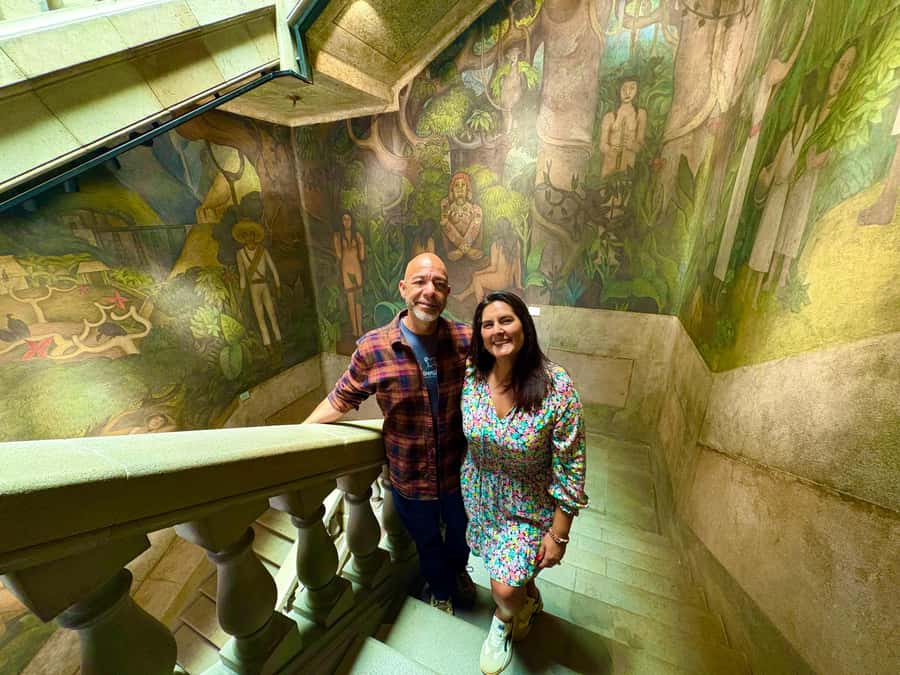
- See Rivera’s work in several settings: The route combines the Secretaría de Educación Pública, the Palace of Fine Arts, and the Diego Rivera Mural Museum.
- Learn why the murals were made: Your guide connects the paintings to the Revolution, social reform, workers, Indigenous communities, and national politics.
- Expect a true walking tour: Comfortable shoes are essential, and transportation to the meeting point is not included.
- Get more than an art lecture: The guides explain how Rivera’s style changed and how his work fits into Mexico’s larger mural movement.
- Allow for changes: Museum closures, security rules, holidays, or other conditions can alter the route.
- Best for curious first-time visitors: You will get more from the tour if you want context, not just a quick look at famous images.
Why Rivera’s walls tell Mexico’s story
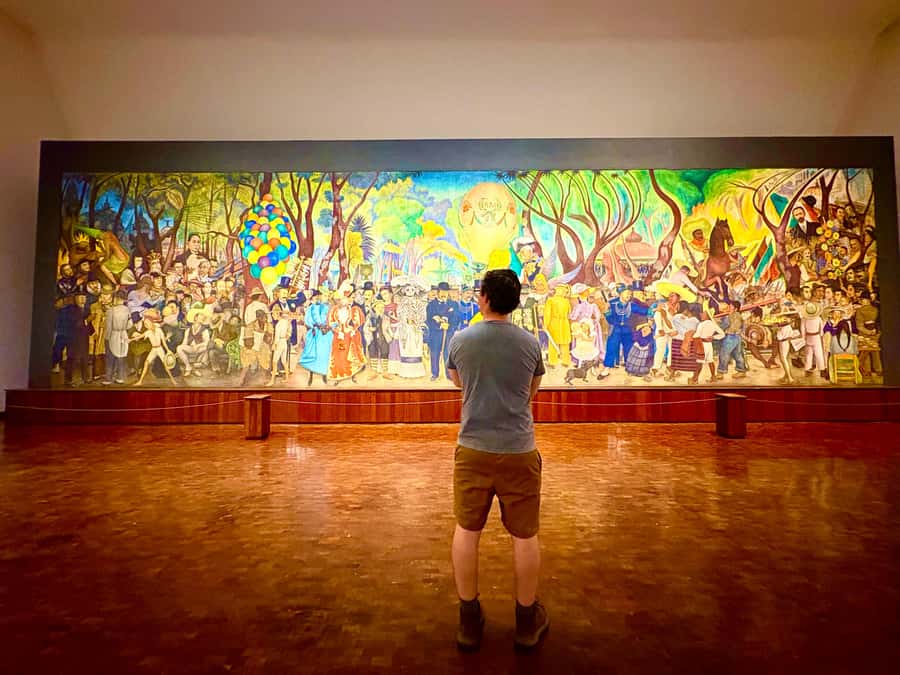
Diego Rivera was one of the three major Mexican muralists, along with José Clemente Orozco and David Alfaro Siqueiros. Their work grew after the Mexican Revolution, when public art became a way to educate people and shape a new national identity.
That setting matters. These murals were not painted as quiet decorations for private homes. They were made for public buildings, government spaces, and museums where ordinary people could encounter scenes from Mexican history and society.
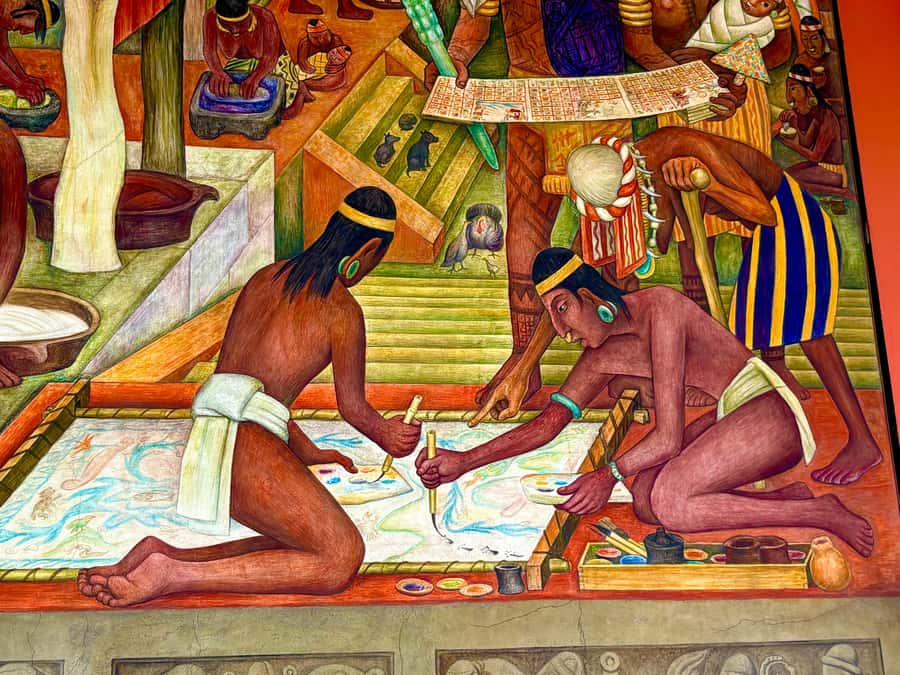
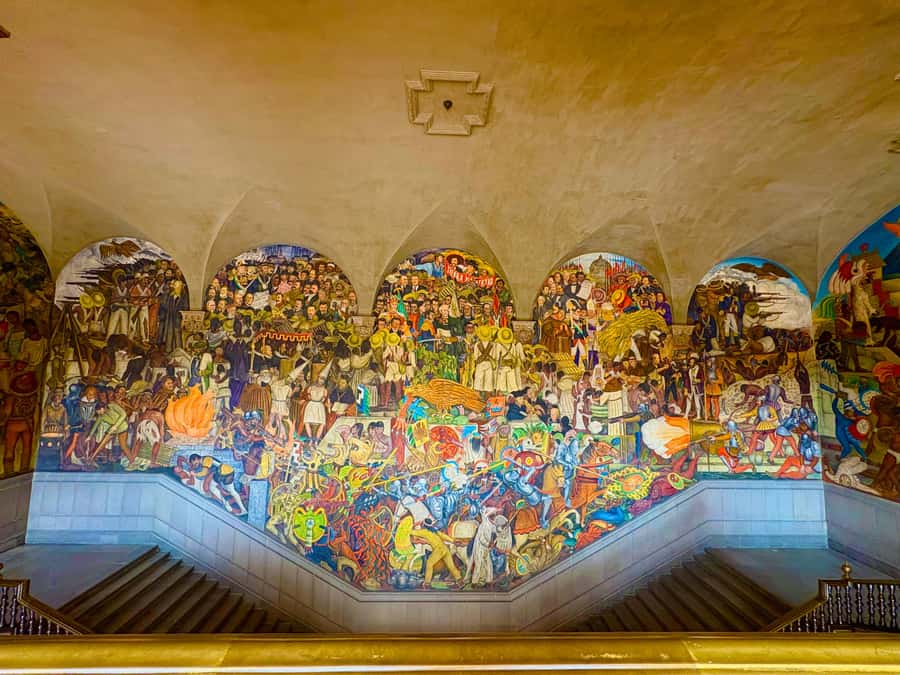
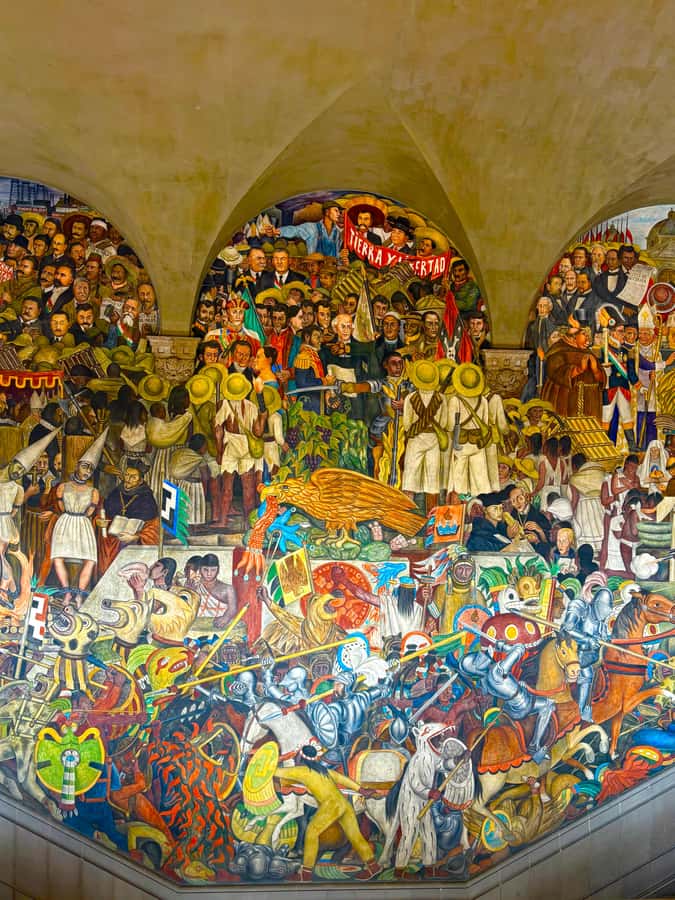
You will see workers, rulers, farmers, soldiers, religious figures, Indigenous communities, and political leaders placed together in large, crowded compositions. Without a guide, the scale can impress you while the meaning slips past. A good explanation helps you identify who is present, what period is being shown, and why Rivera arranged the scene in that way.
I especially like the way this tour treats Rivera as both an artist and a public thinker. His murals contain beauty, but they also argue. They praise labor, criticize power, honor Indigenous roots, and present history from a distinctly Mexican point of view.
The tour also gives you a framework for seeing artists beyond Rivera. The focus stays on him, but you gain a better sense of the wider mural movement and the different ways Orozco and Siqueiros approached politics and public art.
Other walking tours we've reviewed in Mexico City


Starting at Museo Vivo del Muralismo
The tour begins at Museo Vivo del Muralismo, where you meet your guide and set out on foot. This is a useful starting point because the subject is established immediately: public art, Mexican identity, and murals as tools for teaching a nation about itself.
Bring your passport or another accepted ID card. Wear shoes that can handle several hours of walking on city streets and museum floors. You do not need to arrange transportation between the listed stops, but you do need to get yourself to the meeting point.
The tour is wheelchair accessible, which is important for many visitors, though the exact ease of moving between buildings may depend on the day’s route and any temporary access rules. If you have specific mobility needs, confirm the details when booking.
Your guide may be the biggest factor in how much you take away. Jorge has been praised for his humor, patience, and ability to adjust the discussion to a group’s interests. David is particularly strong at linking the art to Mexican history, while Laila is known for a warm, flexible approach. Francisco has also guided the route in more than one language, including Italian on one occasion.
Those names are useful when you book, but guide assignments can change. The important point is that this tour calls for someone who can explain, not just escort you from wall to wall.
The Secretaría de Educación Pública and 90 minutes of murals
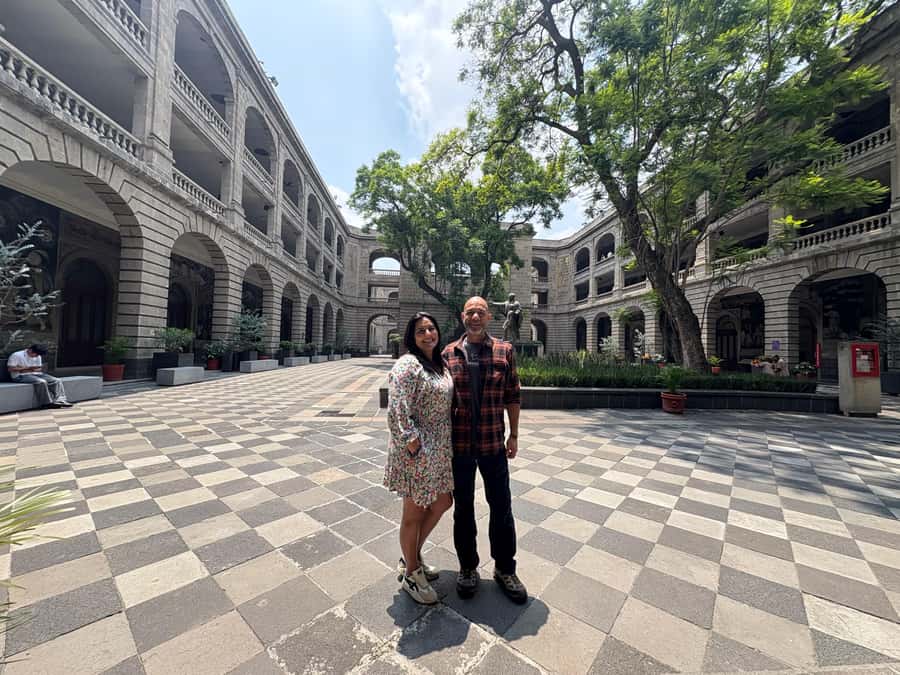
The longest visit is at the Secretaría de Educación Pública, including the Edificio Anexo. Plan on about 1.5 hours here. This is where the tour earns much of its price.
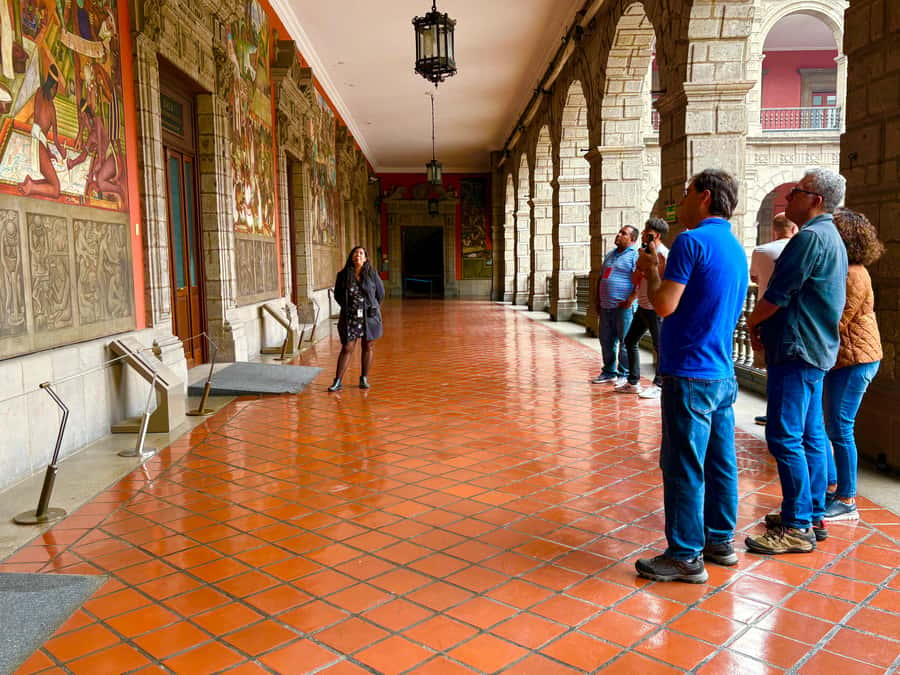
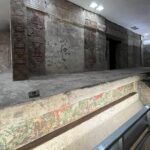
The building gives you the chance to see Rivera’s work in an architectural setting rather than as a single isolated painting. You can study how the murals work across walls and corridors, how individual scenes relate to one another, and how Rivera turned a government building into a visual account of Mexican society.
The advantage of having a guide here is clear. You might notice a group of workers or a historical figure, but your guide can explain the social and political ideas linking the scenes. You also get help spotting details that are easy to miss when a large mural is packed with people, symbols, clothing, and gestures.
This stop is especially helpful if you have only a general idea of the Mexican Revolution. The tour uses Rivera’s paintings to show how the conflict affected ordinary people and how post-Revolution Mexico tried to define itself.
The downside is that the amount of material can be almost too much. Ninety minutes sounds generous, but Rivera’s murals reward slow looking. If your guide is moving through a large number of scenes, you may have to choose between following the full historical narrative and lingering over favorite details.
This is one place where the group’s interests matter. Visitors who ask questions about politics, religion, class, or Rivera’s personal views may get a more layered discussion. If you prefer a quick introduction, the guide can keep the route moving.
Palace of Fine Arts in a shorter visit
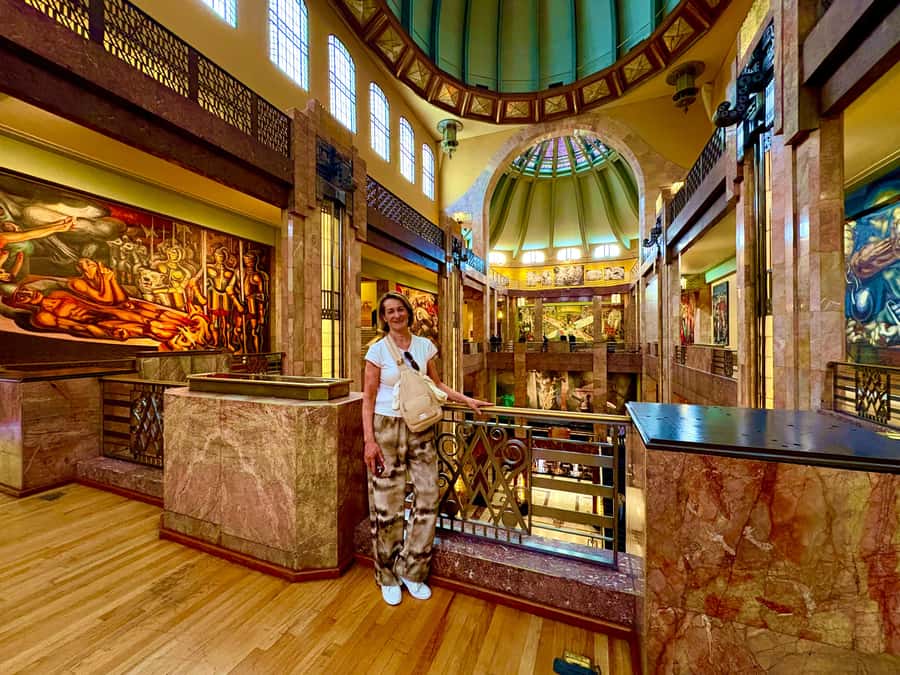
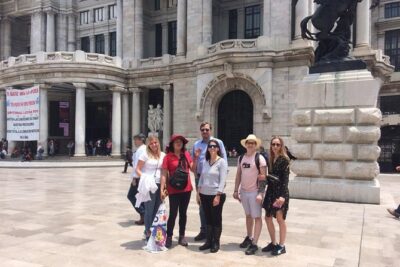
The next major stop is the Palace of Fine Arts, with about 40 minutes set aside. This visit changes the mood. Instead of following an extended sequence of murals in one building, you get a more concentrated look at Rivera’s work in one of Mexico City’s major cultural landmarks.
The shorter time means you should arrive ready to focus. Your guide will help you understand what makes the work important, how it fits into Rivera’s career, and how the building’s setting affects your view of it.
This stop also helps show that Rivera was not limited to one format. His public murals could function as history lessons, political statements, and works of formal design at the same time. You will likely come away with a better sense of how his style developed from earlier work to later compositions.
Keep an eye on the clock here. Museum access and security procedures can change, and a late tour may have less breathing room. One visitor found a 3:00 p.m. start stressful because the venues closed between about 5:30 and 6:00 p.m. If you have a choice, an earlier start is the safer pick.
The Palace of Fine Arts is also an attractive place to revisit independently after the tour. Once your guide has shown you what to look for, a second visit can be more rewarding because you will know which figures and themes deserve another look.
The Diego Rivera Mural Museum in 25 minutes
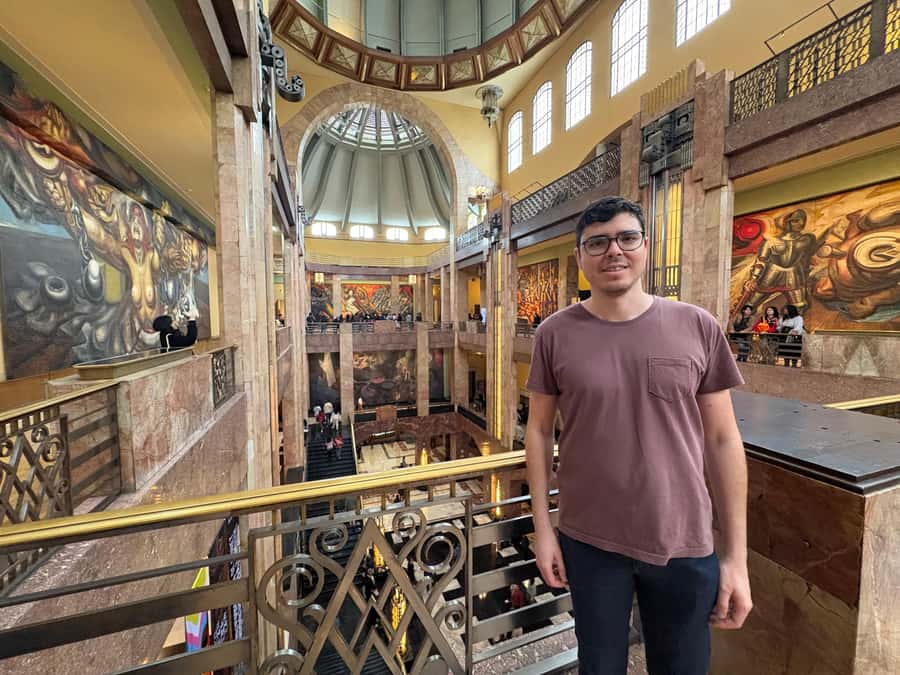
The final museum visit is the Diego Rivera Mural Museum, with about 25 minutes planned. This is the shortest stop, so think of it as a focused final chapter rather than a full afternoon in a museum.
The museum lets you see Rivera’s work in a setting devoted to his mural art. After visiting the larger government and fine arts spaces, this stop can help pull the themes together. You can compare how Rivera handled history, public life, and composition across different settings.
Twenty-five minutes is enough for a guided introduction, but not enough for a slow, independent museum visit. If you are especially interested in Rivera, you may want to return on your own later, assuming opening hours and access allow it.
The tour then returns to Museo Vivo del Muralismo. Since all three locations are connected by walking, the route gives you a better feel for central Mexico City than a taxi-based museum circuit would. You see the relationship between public buildings, streets, and cultural institutions along the way.
Other guided tours in Mexico City

Why a guide adds real value
I would not book this tour simply to be accompanied from one entrance to another. I would book it for the explanations.
Rivera’s murals are large and visually crowded. They can be enjoyable at a glance, but their political references and historical details are not always obvious. A guide can point out the people and events that anchor a scene, explain the social setting, and show how separate panels form one larger argument.
The best guides also make room for conversation. David has been especially praised for being flexible, relaxed, and willing to continue beyond the scheduled time when circumstances allow. Jorge has been praised for accommodating different ages and interests, including a group with an older woman, three children, and a stroller.
That does not mean every tour will run long. Your scheduled duration is 3.5 hours, and museum closing times still matter. But the guide’s ability to adjust the discussion can make the experience feel personal rather than scripted.
You may also get more than Rivera. Guides have brought in other muralists and wider Mexican art traditions when useful. That broader context keeps the tour from becoming a biography lesson about one famous man.
Timing, closures, and route changes
This tour needs a little flexibility. Museum schedules, holidays, security rules, and unexpected closures can affect access. A planned visit to a particular building may be changed, shortened, or replaced with another mural stop.
That has happened during tours involving the Palacio Nacional, where security protocols or holiday closures prevented access. Guides have sometimes created an alternate route or invited participants to join another group the following day when a key mural could not be seen as planned.
The practical lesson is simple: do not schedule an important flight, meal, or timed attraction immediately after the walk. Give yourself extra room, especially if you choose an afternoon departure.
Start times vary, so check availability for your date. If you can choose, I would favor a morning or early afternoon start. You will have more time before closing and less pressure at the final two stops.
Bring water and any personal items you need for several hours out, but meals and drinks are not included. The core admission tickets are covered, which keeps the day simpler.
Is $78 a fair price?
At $78 per person, this is not a bargain-priced stroll. It can still be good value if you want a serious introduction to Rivera and prefer not to organize three museum visits yourself.
The price includes the guided tour and entrance tickets to all museums on the route. You are also paying for the guide’s preparation, translation if needed, and the ability to connect separate works into one story.
Going independently may cost less, especially if you already know the museums and can manage opening hours, tickets, and transportation. But you would need to do the research yourself, and you might miss the meaning behind many of the murals.
I see the value most clearly for first-time visitors, art lovers, and anyone with limited time in Mexico City. The route gathers a large amount of Rivera’s work into one half-day, then gives you the background to understand it.
The value is weaker if you dislike guided visits, want to move at your own pace, or plan to spend long periods sketching or photographing individual murals. The schedule is structured, and the first venue receives far more time than the last.
Languages, accessibility, and cancellation
Live guiding is offered in Spanish, English, French, and German. Language ability can vary by guide, so choose your preferred language when checking availability.
The activity is listed as wheelchair accessible. Comfortable shoes remain important for everyone because the experience includes walking between sites and standing inside museums.
You can cancel up to 24 hours before the tour for a full refund. A reserve-now, pay-later option is also available, which helps if your Mexico City plans are still shifting.
Who should book this mural walk?
I would recommend it to you if:
- You want Mexican history explained through art.
- You are visiting Mexico City for the first time.
- You enjoy asking questions and discussing politics, culture, and artistic choices.
- You want to see several Rivera locations in one organized route.
- You prefer a guide who can adapt the experience to your interests.
- You are comfortable walking for most of an afternoon.
I would think twice if you want a quiet, slow museum visit or have only a narrow time window before another booking. The tour covers a lot, and its value depends on staying with the group and keeping to the route.
Families can also consider it, especially if the children are old enough to engage with stories about art and history. The route is not designed as a children’s program, but patient guides have accommodated mixed-age groups.
Should you book the Diego Rivera murals tour?
Yes, if you want to understand what you are seeing rather than simply photograph famous walls. The strongest part of this experience is the connection between Rivera’s images and the events, social struggles, and national debates that shaped them.
Book an earlier time if possible, bring comfortable shoes and ID, and allow extra time in case a museum changes its access rules. At $78, the tour makes the most sense when you value expert interpretation and the convenience of included museum entry.
If you do book, pay attention to your guide’s explanations at the Secretaría de Educación Pública. That long visit is the heart of the route. By the time you return to Museo Vivo del Muralismo, you should see Mexico City less as a collection of buildings and more as a city that uses its walls to argue, remember, and teach.
FAQ
Where does the tour begin?
The tour begins at Museo Vivo del Muralismo.
How long does the tour last?
The scheduled duration is 3.5 hours.
What museums are included?
The route includes the Secretaría de Educación Pública Edificio Anexo, the Palace of Fine Arts in Mexico City, and the Diego Rivera Mural Museum.
Is museum admission included?
Yes. Entrance tickets to all museums on the tour are included.
Is transportation included?
No. Transportation to and from the starting point is not included. The activity itself is a walking tour.
What languages are available?
Live guides are available in Spanish, English, French, and German.
Is the tour wheelchair accessible?
Yes, the activity is listed as wheelchair accessible.
What should I bring?
Bring a passport or ID card and wear comfortable shoes suitable for walking.
Are food and drinks included?
No. Meals and drinks are not included.
Can I cancel for a refund?
Yes. You can cancel up to 24 hours in advance for a full refund.
Can the itinerary change?
Yes. Museum access, holidays, security procedures, availability, and other conditions can cause the route or scheduled visits to change without prior notice.
Is it possible to reserve without paying immediately?
Yes. A reserve-now, pay-later option is available.
More City Tours in Mexico City



More Guided Tours in Mexico City
More Walking Tours in Mexico City
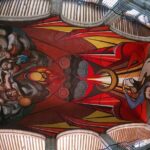
More tours in Mexico City we've reviewed


Walking Tours, compared.
 ★ 5.0Historic Downtown Walking TourFrom $263 hours (approx.)
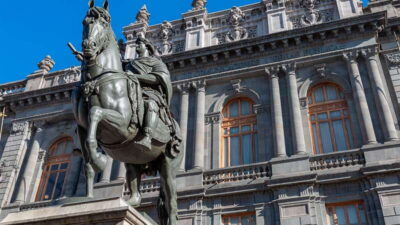 ★ 4.8Mexico City: Historic Downtown Walking TourFrom $263 hours
 ★ 5.0Frida Kahlo VIP [Museum Tickets Included] Walk, Markets & ChurrosFrom $833 to 4 hours (approx.)
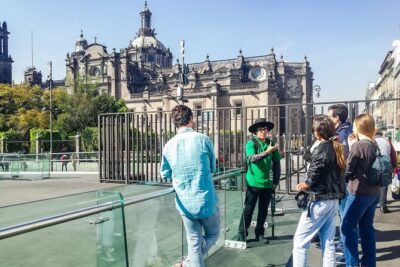 ★ 5.0Walking Tour of the Historic Center of Mexico City3 hours (approx.)
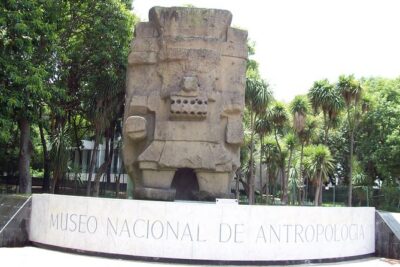 ★ 5.0Anthropology Museum Private Experience Walking TourFrom $783 hours (approx.)
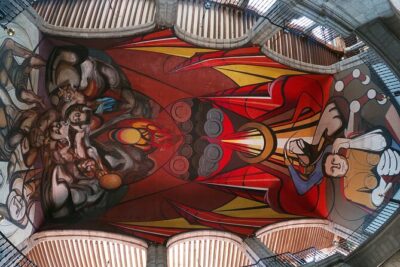 ★ 5.0Walking Tour in Mexico City for Exploring their Cultural HeritageFrom $252 to 3 hours (approx.)
 ★ 5.0Walking Tour – Impressive murals in Historical Center of Mexico CityFrom $511 to 3 hours (approx.)
 ★ 5.0Muralist Art Semi Private Walking Tour in Mexico City DowntownFrom $583 hours 30 minutes (approx.)
The lists this tour appears in