
Reviewed · HISTORIC CENTER WALKS
Mexico City: Historic Center Walking Tour with Murals
Mexico City’s mural movement turns public buildings into history books, and this three-hour walk gives you a clear way to read them. You’ll see major works connected to Diego Rivera, Frida Kahlo, and Mexico’s social and political changes, with guide Balaam bringing the symbolism down to earth.
In This Article
- Key points
- Why Mexico City’s murals deserve a focused tour
- Beginning at the Former College of San Ildefonso
- Forty-five minutes with the Ministry of Public Education murals
- Palacio de Bellas Artes and its artistic power
- The Diego Rivera Mural Museum option
- What Balaam adds to the experience
- A walking route that needs comfortable shoes
- Timing, Tuesday changes, and the National Palace confusion
- Is the tour good value?
- Who should book this mural walk?
- Should you book the Mexico City murals tour?
- FAQ
- How long does the Mexico City mural tour last?
- Which languages are available?
- Is the Ministry of Public Education visited every day?
- Are museum entrance tickets included?
- Is transportation included?
- Is the tour suitable for wheelchair users?
I like the art-history focus and the fact that museum tickets are included. I also like the flexible route, since the tour can use the Diego Rivera Mural Museum when the Ministry of Public Education is closed. The main drawback is that the exact buildings depend on the day, and the tour does not include the National Palace.
Key points
- Balaam’s art and archaeology background: Expect explanations that connect images, politics, society, and technique rather than a quick list of dates.
- Four major mural settings: The route covers San Ildefonso, the Ministry of Public Education, Palacio de Bellas Artes, and the Diego Rivera Mural Museum, with three buildings visited according to the day.
- A walking tour with no transport included: You stay in the Historic Center and move between sites on foot.
- Tuesday route change: The Ministry of Public Education is closed on Tuesdays, so the Diego Rivera Mural Museum is used that day.
- A strong choice for curious beginners: The guide explains difficult symbolism in an accessible way, so you do not need an art background.
- Practical limits: Comfortable shoes, water, and a camera help, but flash photography is not allowed and the route is not suitable for wheelchair users.
Why Mexico City’s murals deserve a focused tour
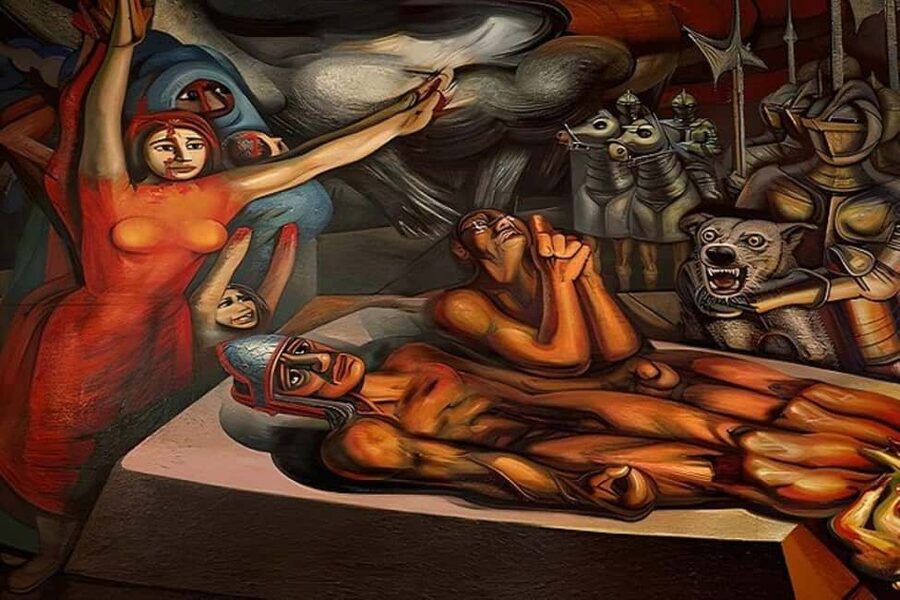
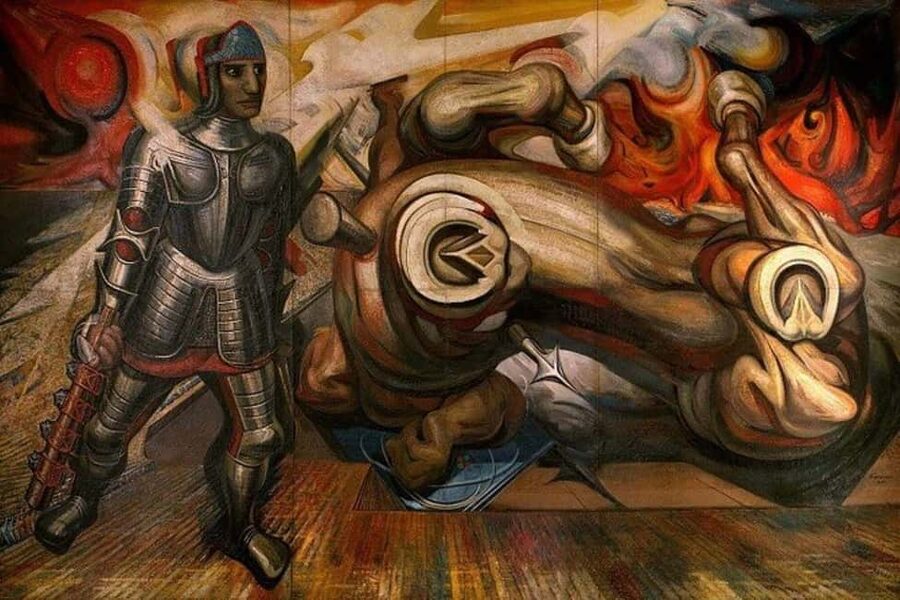
Mexican muralism is not simply large painting on a wall. These works were made to speak to the public, often showing workers, revolutionaries, Indigenous traditions, industrial change, education, religion, and political struggle in the same scene.
That makes the art exciting, but also hard to read alone. A mural can contain dozens of figures and symbols, and a casual look may leave you admiring the scale without understanding the argument. This tour gives you a guide to those layers.
I especially like the way the route links art with the relationship between Diego Rivera and Frida Kahlo. Their personal story adds human interest, but the better reason to include it is that their lives were tied to the artistic and political world that shaped Mexican muralism.
You can expect discussion of symbolism, technique, and social context, not just biographical facts. That suits anyone who wants to understand why these murals mattered when they were created and why they still matter today.
A few more Mexico City tours and experiences worth a look


Beginning at the Former College of San Ildefonso
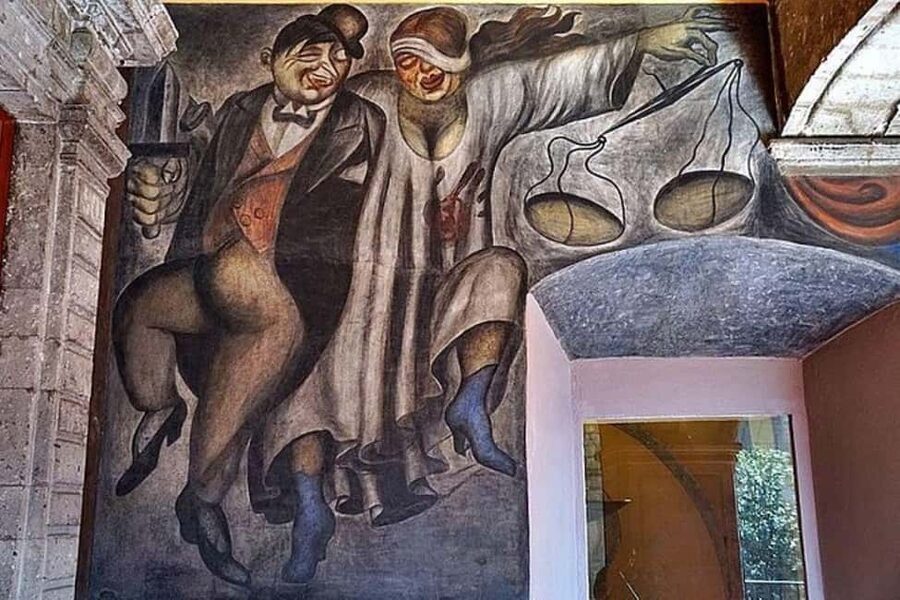
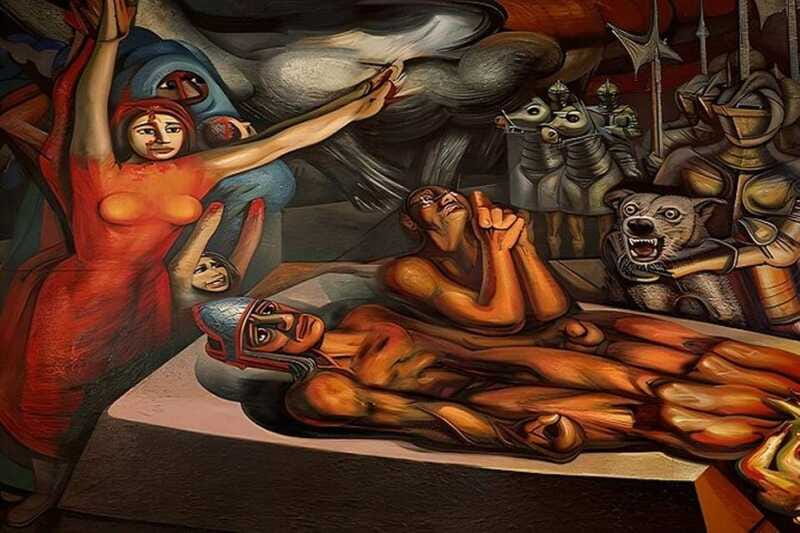
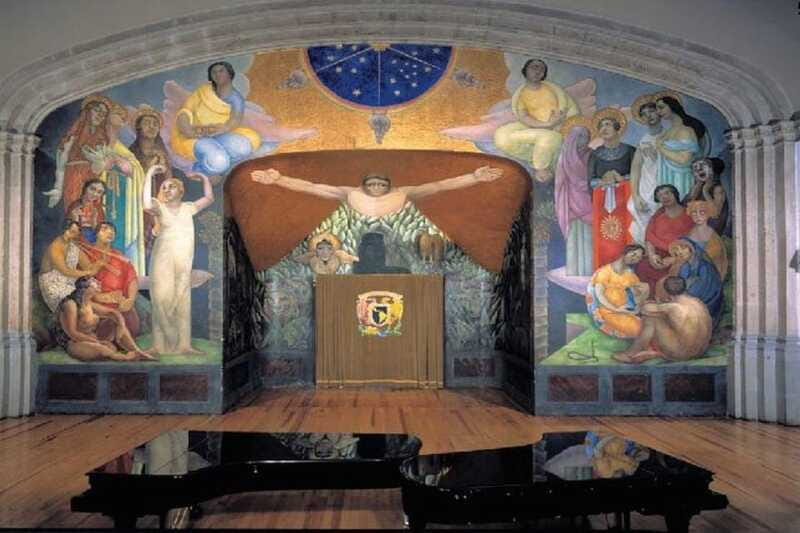
The tour begins at the Former College of San Ildefonso, one of the key settings for Mexico’s mural movement. This first stop gives you a useful introduction before the walk moves into other buildings.
The college is important because it lets you see how muralism entered an institutional setting. Instead of treating art as something kept in a small gallery, the murals use architecture and public space to address a broad audience.
Your guide can help you look at how a mural uses walls, arches, stairways, and movement through a building. That matters because you are not viewing a framed canvas from a fixed distance. You are walking through an environment where the paintings surround you.
The supplied schedule does not assign a separate time to San Ildefonso, so the exact length of this opening visit may vary. That is worth keeping in mind if you prefer a tightly timed museum visit. The advantage is that the tour can spend more time where the art and the group’s questions call for it.
Forty-five minutes with the Ministry of Public Education murals
The Museo de Sitio de la Secretaría de Educación Pública receives about 45 minutes on the route. This is one of the most useful stops for seeing how muralism served education and public communication.
The building is not just a place to look at isolated masterpieces. The murals work across the interior, creating a sequence that you read as you move. Your guide can point out repeated figures, political ideas, and details that are easy to miss when you are trying to take in the whole room.
This stop is also where the tour’s social focus becomes especially clear. The Ministry of Public Education connects art with the idea of bringing national stories, political messages, and cultural identity into everyday public life.
The important scheduling point is simple: the Ministry is closed on Tuesdays. On that day, the route visits the Diego Rivera Mural Museum instead. This is not a minor detail, so check the date before booking if this particular building is high on your list.
The Tuesday replacement still keeps the tour focused on Mexican muralism, but it changes the feel of the outing. You will see Rivera’s work in a dedicated museum setting rather than through the Ministry’s building. That can be a good alternative, though it is not the same visit.
Palacio de Bellas Artes and its artistic power
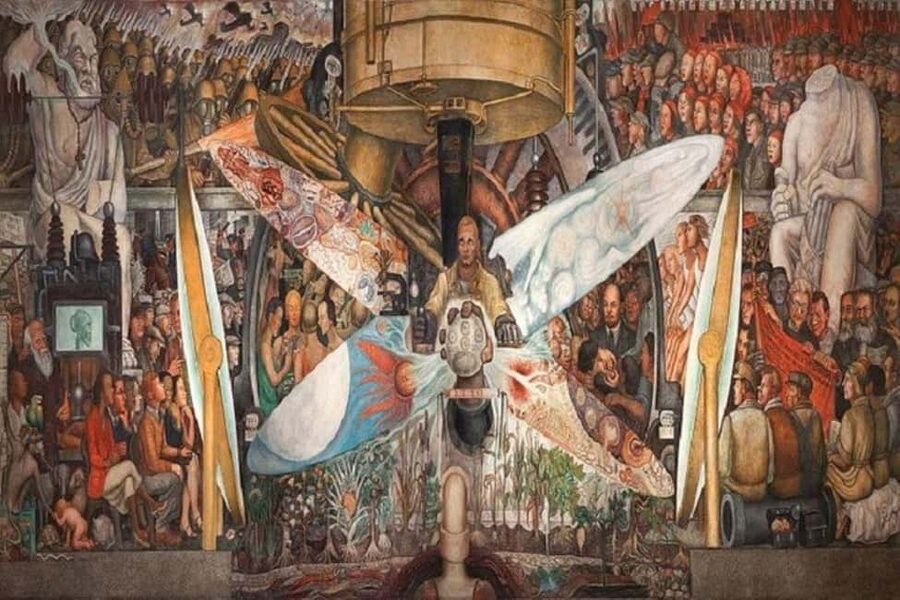
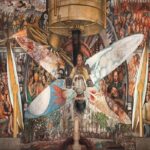
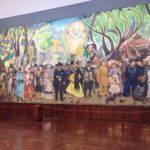
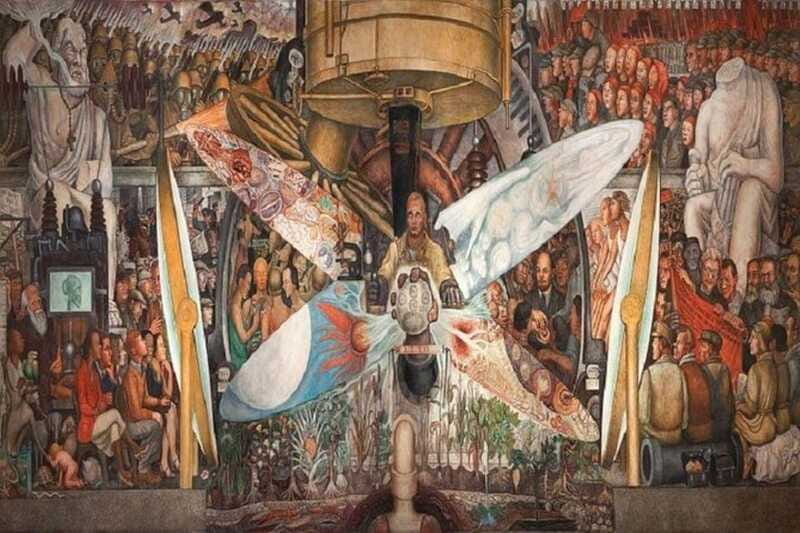
The Palace of Fine Arts, or Palacio de Bellas Artes, receives about 45 minutes. This is likely the most recognizable stop on the route, and it brings together the grandeur of Mexico City’s main arts venue with some of the country’s best-known mural work.
You will want to take your time here. The murals are large, detailed, and tied to national identity, political thought, and the changing role of art in Mexico. A guide helps you decide where to look first, then explains how the parts fit together.
I like this portion of the tour because it balances visual impact with discussion. You can enjoy the building and paintings at a glance, but the guide gives you reasons to look again. A figure in the background, a machine, a historical reference, or a change in color can shift your understanding of the entire scene.
The 45-minute visit is useful but not generous. If you are a serious art student, you may wish for extra time. For a three-hour walking tour, though, it keeps the schedule moving and ensures that you reach the other locations.
Bring a camera if you like recording details, but flash photography is not allowed. Since mural interiors can have restrictions beyond the general rule, follow the guide and museum instructions rather than trying to capture every wall.
The Diego Rivera Mural Museum option
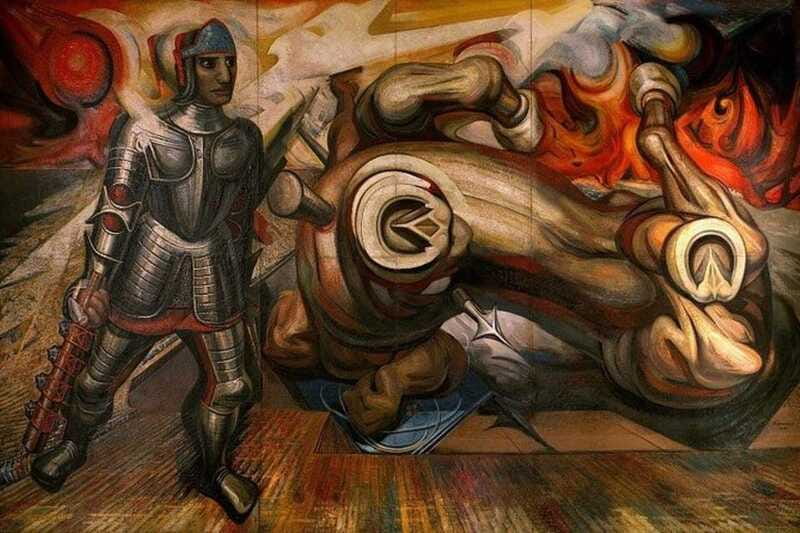
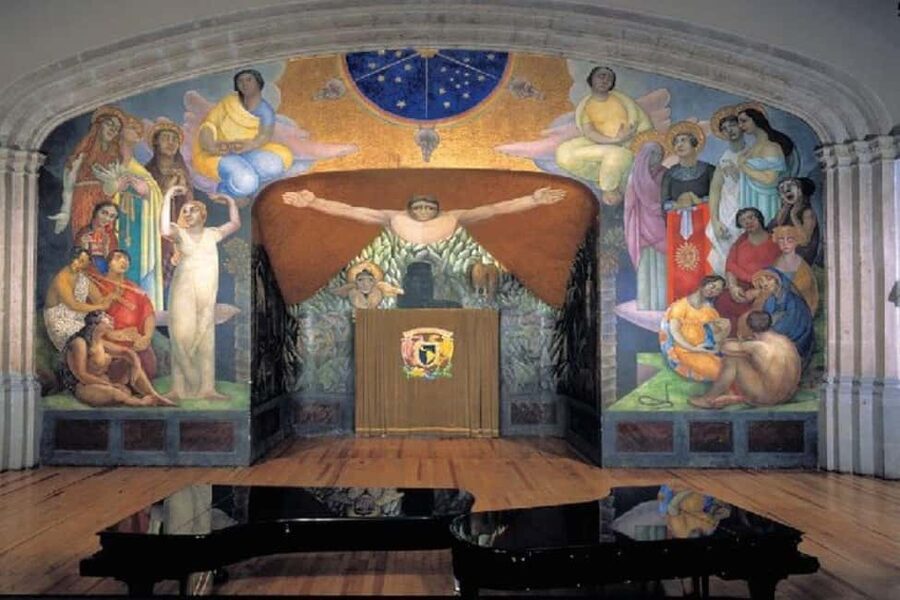
The itinerary includes about 30 minutes at the Diego Rivera Mural Museum. It is also the scheduled alternative on Tuesdays when the Ministry of Public Education is closed.
A dedicated mural museum offers a different experience from walking through a government building. Here, your attention is more directly focused on Rivera’s work, and the guide can keep the discussion centered on composition, historical references, and the artist’s place in Mexican culture.
Thirty minutes is enough for a focused explanation, but it is still a short visit. I would treat this as a concentrated stop rather than a full museum afternoon. The tour’s goal is to show you key works and connect them to the wider mural movement, not to cover every aspect of Rivera’s career.
The Diego Rivera and Frida Kahlo connection also fits naturally here. The tour uses their relationship as a way into the period’s artistic world, while still giving attention to the murals themselves. That balance matters. You get a memorable personal story without reducing the art to celebrity biography.
Other walking tours we've reviewed in Mexico City


What Balaam adds to the experience
The strongest praise for this tour centers on Balaam, the guide. He is described as a historian and archaeology expert who can adjust his explanations to the group and make complex symbolism understandable.
That is exactly the skill this subject needs. Muralism can become a lecture about political movements, or it can become a shallow tour of famous names. Balaam appears to aim for the useful middle ground: enough context to explain the work, but enough conversation to keep the visit personal and readable.
You should expect room for questions rather than a nonstop speech. One account describes the tour as engaging and open to conversation, while another notes that the explanations connected artistic and social symbolism in a clear way.
There was also an unexpected practical touch during one tour: tamales were offered during the walk. That is not listed as an included feature, so do not book expecting food. Still, it suggests a guide who pays attention to the human side of the outing.
One booking had a notification problem, but Balaam accommodated the group and continued with the tour. That does not remove the need to check your confirmation and meeting details, but it does show useful flexibility when plans go wrong.
The guide is available in English or Spanish. If you care about the language of the tour, select it carefully when booking.
A walking route that needs comfortable shoes
This is a walking tour, and transportation is not included. The route stays in Mexico City’s Historic Center, but three hours on foot can still feel demanding, especially with time spent standing inside museums and public buildings.
Wear comfortable shoes. Bring water. A camera is useful, though you should keep the flash turned off.
The tour is not suitable for wheelchair users. The information provided does not describe the exact access conditions at every building, so anyone with mobility concerns should ask the operator before reserving.
A small group or private format can make an art tour much better because you can ask about a detail without losing the thread of the explanation. One booking described the experience as private, but group size is not specified in the tour details, so confirm that point if it affects your decision.
Timing, Tuesday changes, and the National Palace confusion
The advertised duration is three hours, with starting times available according to the date you choose. The listed route includes San Ildefonso, the Ministry of Public Education or the Diego Rivera Mural Museum, Palacio de Bellas Artes, and the relevant museum entrances.
It does not include the National Palace. This needs emphasis because the tour has been promoted in a way that can create that expectation. The National Palace has also been closed for several years according to the supplied information, so you should not assume you will enter it as part of this experience.
The route still offers a strong substitute. In fact, the buildings included here provide a concentrated look at muralism without relying on one famous address. Still, read the current description carefully before booking, especially if the National Palace is the main reason you are interested.
Tuesday is the other key planning issue. The Ministry of Public Education is closed that day, and the Diego Rivera Mural Museum takes its place. If you want the Ministry specifically, choose another day.
Is the tour good value?
No price is provided here, so I cannot judge the exact cost. I can explain what you are paying for: three hours with a live English or Spanish guide, museum entrance tickets, and a route through several important mural settings.
That can be good value if you would otherwise enter the buildings without understanding the art. A guide who explains symbolism, politics, technique, and the Rivera-Kahlo story adds the most value here. The tickets also save you from arranging each museum visit separately.
The tour is less useful for someone who wants a leisurely, self-guided museum day. The schedule gives Palacio de Bellas Artes and the Ministry about 45 minutes each, with roughly 30 minutes at the Diego Rivera Mural Museum. You will see a lot, but you will not have unlimited time at every wall.
Because transportation is not included, the tour also works best if you are already comfortable reaching the Historic Center on your own. Gratuity is not included, so plan for that separately if you feel the guide has provided a good service.
The free cancellation policy allows cancellation up to 24 hours in advance for a full refund. You can also reserve and pay later, which helps if your Mexico City schedule is still shifting.
Who should book this mural walk?
I would choose this tour if you want art explained in plain language and you enjoy connecting paintings with politics, national identity, and personal stories. It is especially well suited to first-time visitors who want a structured introduction to Mexico’s major muralists.
It also suits repeat visitors who have already walked through the Historic Center but looked at the murals without much context. The tour gives you a reason to return to familiar buildings with sharper eyes.
Art lovers should appreciate the focus on technique and symbolism. History fans will find the social and political background useful. Even if you are not an art specialist, the guide’s conversational style should make the subject easier to enter.
I would think twice if you dislike walking, need wheelchair access, or want a long, quiet period at each museum. I would also avoid Tuesday if the Ministry of Public Education is your priority.
Should you book the Mexico City murals tour?
Book it if understanding the murals matters as much as seeing them. The route offers four important mural settings, museum admission, and a guide who can connect visual details with Mexico’s cultural and political story.
Choose your day carefully, wear good shoes, and do not expect the National Palace. For a focused three-hour introduction to Mexican muralism, particularly with Balaam as your guide, this is a strong choice.
FAQ
How long does the Mexico City mural tour last?
The tour lasts three hours.
Which languages are available?
The live tour guide is available in English and Spanish.
Is the Ministry of Public Education visited every day?
No. The Ministry of Public Education is closed on Tuesdays. On Tuesdays, the tour visits the Diego Rivera Mural Museum instead.
Are museum entrance tickets included?
Yes. Museum entrance tickets and guide service are included.
Is transportation included?
No. Transportation is not included. This is a walking tour through Mexico City’s Historic Center.
Is the tour suitable for wheelchair users?
No. The activity is not suitable for wheelchair users.
More City Tours in Mexico City



More Walking Tours in Mexico City
More Historic Center Walks in Mexico City

More tours in Mexico City we've reviewed



Historic Center Walks, compared.
 ★ 5.0Historic Downtown Walking TourFrom $263 hours (approx.)
 ★ 5.0Historic Center Food Tour in Mexico CityFrom $1155 hours (approx.)
 ★ 4.8Mexico City: Historic Downtown Walking TourFrom $263 hours
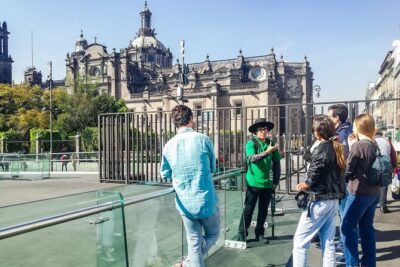 ★ 5.0Walking Tour of the Historic Center of Mexico City3 hours (approx.)
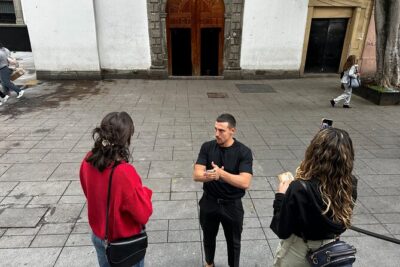 ★ 5.0Mexico City Historical Centre Food Tour with 7 Authentic TastingsFrom $653 hours (approx.)
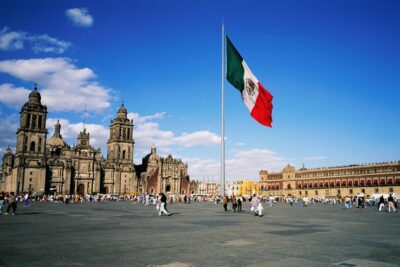 ★ 5.0Private Walking Tour Gems of the Historic Center of Mexico CityFrom $1564 hours (approx.)
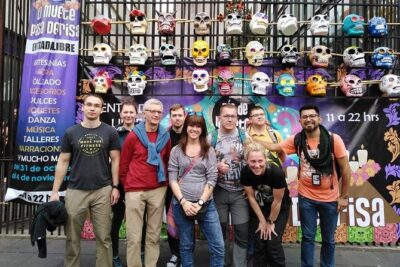 ★ 5.010 wonders of the Historic Center of Mexico City food and musicFrom $493 hours (approx.)
 ★ 5.0Walking Tour in Historic Center CDMXFrom $832 hours 30 minutes to 3 hours 10 minutes (approx.)
The lists this tour appears in