
Reviewed · HISTORIC CENTER WALKS
Express Historic Center the must in two hours
Mexico City’s Historic Center packs temples, cathedrals, grand government buildings, old cafés, and layers of national history into a compact area. This two-hour walking tour gives you a fast but meaningful route from the Zócalo to Alameda Central, with stories that connect the Mexica capital, colonial rule, the Porfiriato, and modern Mexico.
In This Article
- Key points at a glance
- A fast introduction to Mexico City’s historic core
- The Zócalo: Mexico City begins in a giant square
- The Metropolitan Cathedral and the feel of volcanic stone
- Templo Mayor: where an unexpected discovery changed the story
- Streets, windows, and everyday life between the landmarks
- Plaza Tolsá and the controversial Caballito
- Palacio Postal: marble, iron, and messages from another age
- House of Tiles and the pleasures of looking closely
- Bellas Artes and Alameda Central: a strong finish
- How the guiding style suits families and mixed groups
- Practical details before you book
- Who should choose this two-hour walk?
- Should you book TiAPANi’s Historic Center Express Tour?
- FAQ
- How long does the Historic Center tour last?
- What language is the tour offered in?
- How much does the tour cost?
- Where does the tour begin?
- Where does the tour end?
- Is transportation included?
- Is admission to the Templo Mayor Museum included?
- What landmarks are covered?
- How large is the group?
- Can I cancel for a refund?
I like the way the tour uses more than dates and building names. You hear about drums, military parades, letters, food, family life, art, and even the sounds and textures of the city. I also like the practical ending, when the guide offers suggestions for places to visit and food to try.
The main limitation is time. Two hours is enough for a useful introduction, not a full visit to the museums or interiors. The Templo Mayor admission is not included, and the tour mainly views major buildings from outside, so you may want to return later if you prefer a slower, more detailed visit.
Key points at a glance
- A clear route through six major landmarks: Begin at the Zócalo and finish near Palacio de Bellas Artes and Alameda Central.
- History told through sensory details: Expect stories about drums, volcanic stone, organ music, letters, tiles, food, and public ceremonies.
- English-language guidance: The tour is offered in English, with explanations designed to be clear rather than technical.
- Small-group format: The maximum group size is 15 people, which should make it easier to hear the guide and ask questions.
- A useful first-day orientation: The route gives you a strong overview before you decide which museums or buildings deserve more time.
- Local advice at the end: TiAPANi’s guide provides recommendations for continued sightseeing and places to eat.
A fast introduction to Mexico City’s historic core
At $26.76 per person, this is priced as an affordable guided introduction rather than a museum-heavy excursion. You are paying for two hours of walking, interpretation, and local assistance, not for transportation or paid admissions.
That distinction matters in Mexico City. The Historic Center can be easy to reach, but the sheer number of buildings and historical periods can make independent sightseeing feel scattered. A guide helps you see the connection between the Zócalo, Templo Mayor, colonial institutions, Porfirian architecture, and the arts district around Alameda Central.
The tour is offered in English and includes assistance through WhatsApp before and during the experience. That is useful if you need help finding the meeting point or have a question on the day. The group limit of 15 is also sensible for a walking route through busy public spaces.
You meet at BBVAC, at Palma 12 in Centro Histórico. The tour ends at Avenida Juárez 39, near Alameda Central. You arrange your own transport to the starting point, so allow time to reach the center and find the exact address.
A few more Mexico City tours and experiences worth a look



The Zócalo: Mexico City begins in a giant square
The first stop is the Zócalo, officially Constitution Square. This enormous open space gives the tour its proper starting point because so many layers of Mexico City meet here.
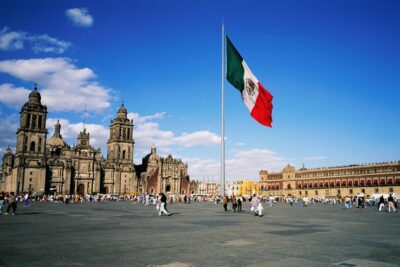
The guide sets the scene with the Mexica capital, whose temples and ceremonial spaces once occupied this area. You also hear about military parades and national celebrations that took place here over the centuries. Today, the huge Mexican flag commands the center of the square, giving the setting a strong civic feel.
I like this opening because it lets you understand the scale of the city before moving to smaller streets and buildings. The visit lasts about 15 minutes, enough for orientation and storytelling without pretending that the whole square can be fully explained in one stop.
The Zócalo is also a place where the city’s past and present sit side by side. The tour encourages you to listen and imagine the earlier city rather than simply photograph the flag and move on. That approach gives the first stop more weight than a standard landmark checklist.
The Metropolitan Cathedral and the feel of volcanic stone
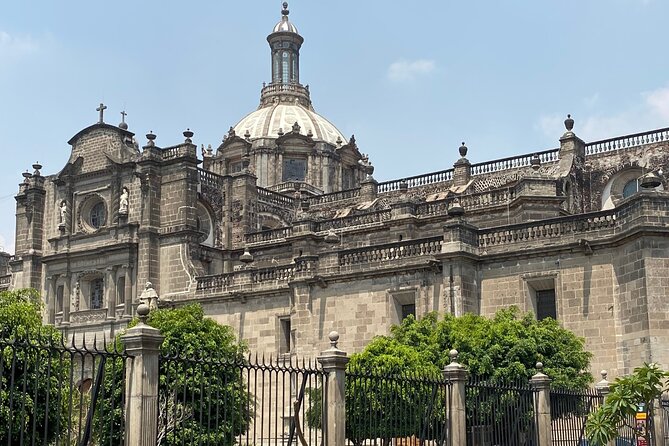
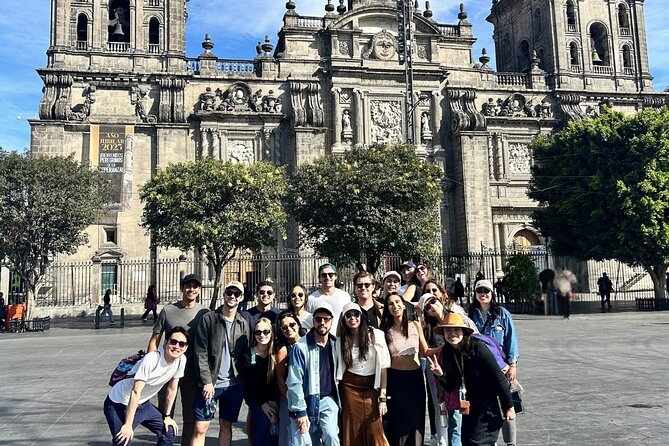
The Metropolitan Cathedral is next. Built over more than two centuries, it reflects several architectural styles and the changing culture of Mexico City.
The planned stop lasts about 10 minutes and focuses on the exterior. You can examine the volcanic stone that supports the building while the guide explains how the Cathedral represents a meeting of cultures, artistic traditions, and religious beliefs.
A brief fragment of the monumental organ may form part of the presentation. Since the visit is short and admission is not listed as included, think of this as an exterior introduction rather than an interior tour.
That is both useful and limiting. You get the building’s place in the city without spending the two-hour experience inside one monument. If the Cathedral interests you, plan a separate visit when you can take more time with its chapels, altars, and interior details.
Templo Mayor: where an unexpected discovery changed the story
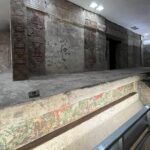
Beside the Cathedral, the Templo Mayor area offers one of the most important historical contrasts on the route. The archaeological site is not always obvious from the surrounding streets, and the guide explains how the discovery of the goddess Coyolxauhqui helped bring the buried Mexica capital back into public view.
The stop is planned for about 15 minutes. Admission to the Museo del Templo Mayor is not included, so you should treat this portion as an introduction to the site rather than a museum visit.
I consider this one of the most valuable stops because it changes how you read the rest of the center. Colonial buildings no longer seem to occupy an empty space. You begin to picture the earlier city beneath and around them.
The phrasing of the tour also suggests movement through the idea of one city rising over another. That simple concept is central to understanding Mexico City. You see how archaeology, colonial construction, and modern urban life share the same ground.
If you want to see the museum collections and archaeological remains in detail, return separately. Fifteen minutes can explain why the site matters, but it cannot replace time inside the museum.
Streets, windows, and everyday life between the landmarks
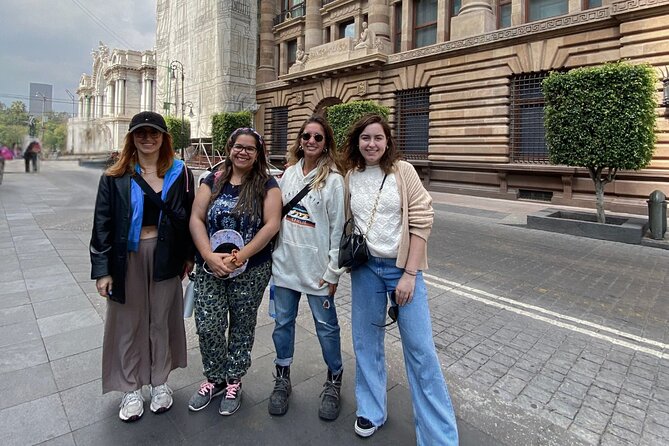
The route includes brief storytelling stops that are less about a single famous building and more about daily life. One moment focuses on a window connected to anecdotes and an important event that still holds a place in Mexican history.
This kind of pause can be easy to overlook when you are moving between major monuments, but it helps the center feel lived in. The tour is not only about presidents, priests, rulers, and artists. It also looks for the small architectural details and personal stories that give the streets their character.
You then pass through spaces associated with old banquets, military parades, and national celebrations. The route leads toward the National Museum of Art, where the architecture offers a way to discuss the Porfiriato and the beginning of modern Mexico.
The guide also connects painters with the question of national identity. That is a useful subject for a short tour because Mexico City’s public art and grand buildings often carry political meaning as well as visual appeal.
The schedule does not present the National Museum of Art as a full museum visit. You should expect exterior viewing and explanation, not time to explore its galleries.
Other historical tours in Mexico City





Plaza Tolsá and the controversial Caballito
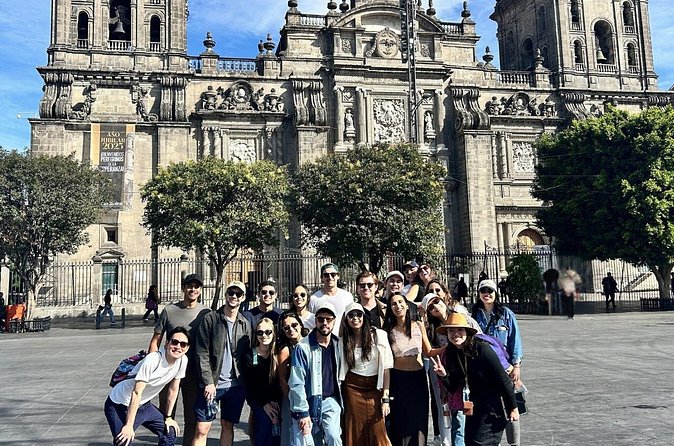
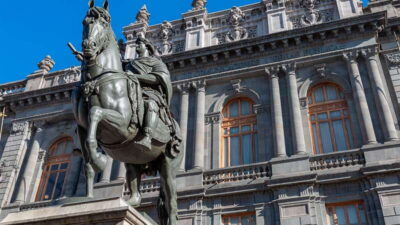
At Plaza Tolsá, the focus shifts to the bronze statue of Carlos IV, known as the Caballito. The sculpture has survived centuries of political change and controversy, making it a good symbol of how public art can outlast the purpose for which it was made.
The stop lasts about 10 minutes. The guide uses the square to recreate something of colonial and early Mexican social life, including the food aromas, fans, and habits associated with the Creole elite.
This is a pleasant change of pace after the monumental scale of the Zócalo. Plaza Tolsá is more intimate, and the statue gives the guide a concrete object around which to tell a story.
You should not expect a formal art lecture. The value here is the connection between the statue, the square, and the people who once used this part of the city. It is a quick stop, but one that helps explain how public spaces reflected class and power.
Palacio Postal: marble, iron, and messages from another age
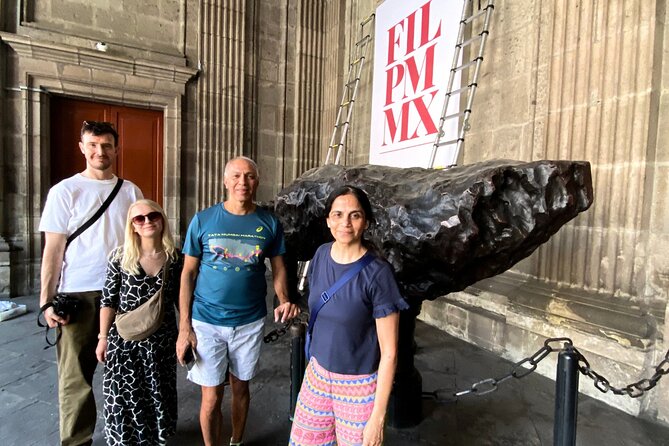
The Palacio Postal receives a short five-minute stop, but it is one of the route’s most photogenic buildings. You peek into a grand interior filled with marble, wrought iron, and gilded details.
The guide frames the building through the messages that once passed through it: letters, postcards, travel news, and personal notes sent around the world. That focus gives the architecture a human purpose. Instead of seeing only ornament, you imagine the building as a place of anticipation and connection.
Because the visit is brief, expect a look rather than a detailed architectural study. Still, five minutes may be enough to appreciate the contrast between the formal building and the ordinary messages moving through it.
If you like historic interiors, remember that the tour’s schedule does not allow a long stop. You can note the location and return later at your own pace.
House of Tiles and the pleasures of looking closely
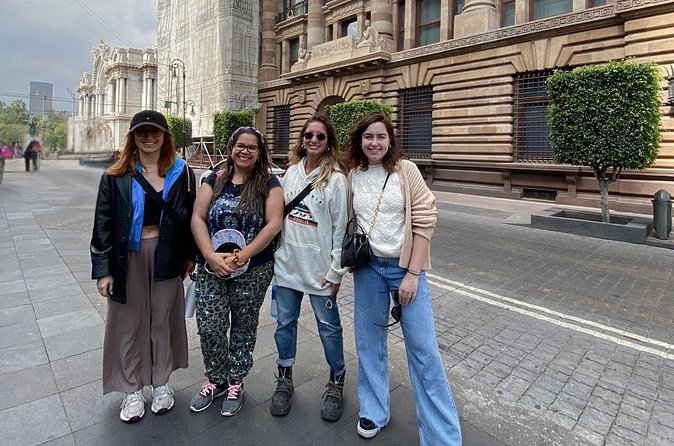
The House of Tiles, or Casa de los Azulejos, is another short stop, planned for about 10 minutes. Its blue and white tiled facade is easy to recognize, but the tour encourages you to look beyond the obvious photograph.
You hear about the families connected with the building and the origins of the tilework. The guide also includes a tile demonstration, adding a hands-on or visual element to the explanation.
This is where the sensory approach works especially well. The tiles are not just decoration. Their surface, pattern, and source help you think about how materials traveled and how domestic architecture could signal wealth and taste.
The Casa de los Azulejos is also a reminder that Mexico City’s most memorable buildings are not all government offices or churches. Family homes, commercial buildings, and public institutions all contribute to the character of the center.
Again, the stop is short. If you want to study every tile or explore the interior at length, plan another visit.
Bellas Artes and Alameda Central: a strong finish
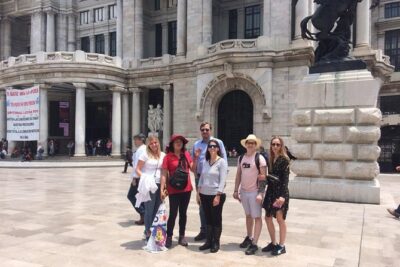
The tour ends near the Palace of Fine Arts and Alameda Central. At Bellas Artes, the guide points out the building’s Art Nouveau and Art Deco features and explains why the structure is sinking.
That final architectural story gives you a glimpse of the practical problems facing Mexico City’s historic buildings. Beauty here comes with engineering challenges and the long-term effects of the city’s ground conditions.
The tour then finishes under the trees of Alameda Central, described as the first park in the Americas. This is a comfortable place to end a walking route because you can pause, orient yourself, and decide what to do next.
The finish also gives the guide a chance to recommend further sights and food. That advice may be particularly useful after a quick tour, since you will have a better sense of which parts of the center deserve a return visit.
How the guiding style suits families and mixed groups
TiAPANi’s named guide in the supplied material is Daniela, and the descriptions of her work point to a lively, flexible approach. She has led groups that included teenagers and children, keeping younger people involved while explaining subjects ranging from ancient Mexico to modern city life.
That matters here. A two-hour history walk can become tiring if it depends on long speeches or specialist terms. This experience promises clear explanations, anecdotes, legends, and curious facts instead.
The sensory focus also makes the route suitable for families. Children can respond to the organ, stone, tiles, public squares, food references, and stories about ceremonies more easily than to a long list of dates.
The guide’s flexibility is another plus. If your group has questions about food, art, archaeology, or daily life, you can ask as you go. The experience is not presented as a rigid lecture.
Still, you should be realistic about the format. The tour does not include private transport, food, drinks, or museum admission. It is a walking introduction for a mixed group, not a private, in-depth architectural study.
Practical details before you book
The tour costs $26.76 per person and lasts approximately two hours. The group can include up to 15 people, and mobile tickets are accepted.
Wear comfortable shoes and bring water, since the route covers several outdoor public spaces. The available information does not promise food or drink, so plan those yourself before or after the walk.
The experience is near public transportation, but transport to the meeting point is your responsibility. Check the start address carefully: BBVAC, Palma 12, Centro Histórico de la Ciudad de México. The end point is Avenida Juárez 39, also in Centro.
Service animals are allowed, and most people can participate. The tour requires good weather and a minimum number of participants. You can cancel for a full refund up to 24 hours before the start time. Cancellations or changes made within 24 hours are not refunded.
Who should choose this two-hour walk?
I would choose this tour if you have limited time in Mexico City, are staying near the center, or want a guided first look before visiting museums on your own. It also fits families and groups who prefer stories and visual details to a formal lecture.
It is a good match for first-time visitors who want to connect the Zócalo, Cathedral, Templo Mayor, Plaza Tolsá, Palacio Postal, Casa de los Azulejos, Bellas Artes, and Alameda Central in one route.
You may want a different experience if your main goal is extensive museum time. The Templo Mayor Museum is not included, and the Cathedral, Palacio Postal, House of Tiles, and Bellas Artes are treated as brief stops rather than long interior visits.
Should you book TiAPANi’s Historic Center Express Tour?
Book it if you want a focused orientation with a strong sense of place. The route covers an impressive range of Mexico City history in two hours, and the guide adds useful details about sound, materials, art, food, and ordinary life.
The best value comes from the connections between the stops. You move from the Mexica world to colonial power, the Porfiriato, modern national identity, and the city’s public parks without spending your day in a museum.
Skip it if you dislike walking, want a private pace, or expect every landmark to include a full interior visit. For everyone else, $26.76 is a fair price for a compact introduction, especially if you use the guide’s final recommendations to plan the rest of your time in the Historic Center.
FAQ
How long does the Historic Center tour last?
The tour lasts approximately two hours.
What language is the tour offered in?
The experience is offered in English.
How much does the tour cost?
The listed price is $26.76 per person.
Where does the tour begin?
The meeting point is BBVAC, Palma 12, Centro Histórico de la Ciudad de México, Cuauhtémoc, 06000 Ciudad de México, CDMX.
Where does the tour end?
The tour ends at Avenida Juárez 39, Colonia Centro, Cuauhtémoc, 06050 Ciudad de México, CDMX, near Alameda Central.
Is transportation included?
No. You are responsible for getting to the meeting point. Private transportation is not included.
Is admission to the Templo Mayor Museum included?
No. Admission to the Museo del Templo Mayor is not included.
What landmarks are covered?
The route includes the Zócalo, Metropolitan Cathedral, Templo Mayor area, Plaza Tolsá, Palacio Postal, House of Tiles, Palace of Fine Arts, and Alameda Central.
How large is the group?
The maximum group size is 15 people.
Can I cancel for a refund?
Yes. You can cancel at least 24 hours before the start time for a full refund. Cancellations or changes within 24 hours are not refunded. If poor weather or an insufficient number of participants cancels the tour, you will be offered another date or experience, or a full refund.
More 2-Hour Experiences in Mexico City




More Historical Tours in Mexico City
More Historic Center Walks in Mexico City
More tours in Mexico City we've reviewed







Historic Center Walks, compared.
 ★ 5.0Historic Downtown Walking TourFrom $263 hours (approx.)
 ★ 5.0Historic Center Food Tour in Mexico CityFrom $1155 hours (approx.)
 ★ 4.8Mexico City: Historic Downtown Walking TourFrom $263 hours
 ★ 5.0Walking Tour of the Historic Center of Mexico City3 hours (approx.)
 ★ 5.0Mexico City Historical Centre Food Tour with 7 Authentic TastingsFrom $653 hours (approx.)
 ★ 5.0Private Walking Tour Gems of the Historic Center of Mexico CityFrom $1564 hours (approx.)
 ★ 5.010 wonders of the Historic Center of Mexico City food and musicFrom $493 hours (approx.)
 ★ 5.0Walking Tour in Historic Center CDMXFrom $832 hours 30 minutes to 3 hours 10 minutes (approx.)
The lists this tour appears in